


Driving an automatic vehicle surely seems to appeal to many, given its simplified approach letting drivers avoid the dance of clutch-and-gear that manual drivers are all too familiar with. Despite this apparent simplicity, there are some easy-to-fall-into bad habits that could be compromising both your vehicle's performance and your own safety on the road. Whether you've been driving an automatic for years or just behind the wheel of one, paying attention to these habits can save you from hefty repairs and contribute to a smoother ride.
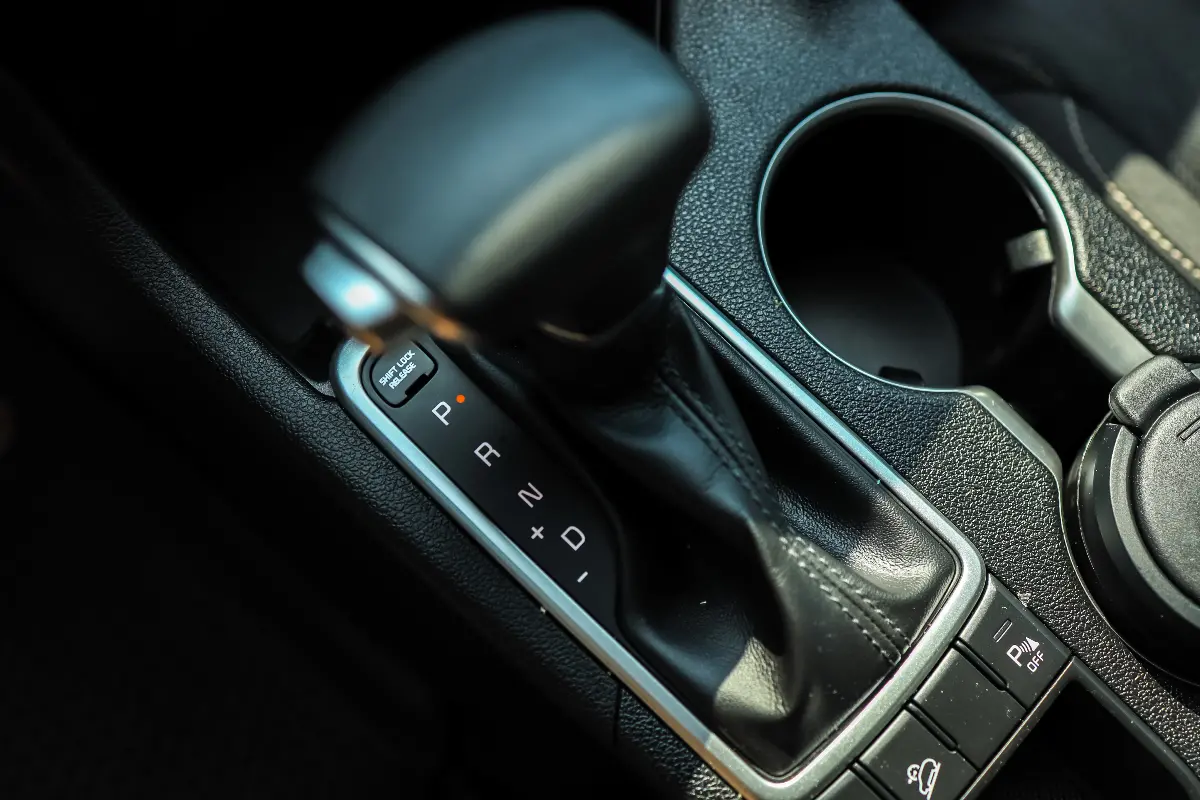
Firstly, let's address the coasting conundrum. It's a tempting prospect: you see a red light ahead or a steep downhill grade, and you decide to shift into neutral thinking it'll save you fuel. However, this assumption is misguided. Modern automatic cars are designed to cut fuel supply when the accelerator isn't pressed, meaning you're not saving any fuel by switching to neutral. Moreover, you're reducing your control over the vehicle as you can't accelerate quickly if needed. Coasting in neutral diminishes your ability to respond to potential hazards and can lead to increased wear on your transmission over time.
Another habit drivers should break away from is resting your hand on the gear stick. While it might seem harmless or even comfortable, this can actually put unnecessary strain on the transmission's bushings and synchronizers, leading to potential damage over time. The transmission in an automatic vehicle is not designed to hold the weight of your hand. The gear lever should only be used when you need to change driving modes, not as a place to rest.

Thirdly, overtaxing the transmission by overloading the vehicle is a subtle habit that many might overlook, particularly those who regularly travel with heavy loads or tow trailers. This places additional stress on the transmission, which can lead to overheating and accelerated wear over time. The solution is simple: know your car's weight limits and stick to them. If you often need to transport heavy items, consider investing in a vehicle designed to handle that level of work.
The misuse of the parking gear is something many are guilty of. The parking gear is meant to keep your car stationary when parked, and it should not be used to stop a rolling car. Engaging the parking gear while the vehicle is still in motion can cause significant mechanical damage, particularly to the parking pawl, which is the small metal component that locks up the transmission. To avoid this, make sure your vehicle is completely at a standstill before shifting into park. Additionally, on an incline, use your parking brake before putting the car into park to prevent excessive strain on the transmission.
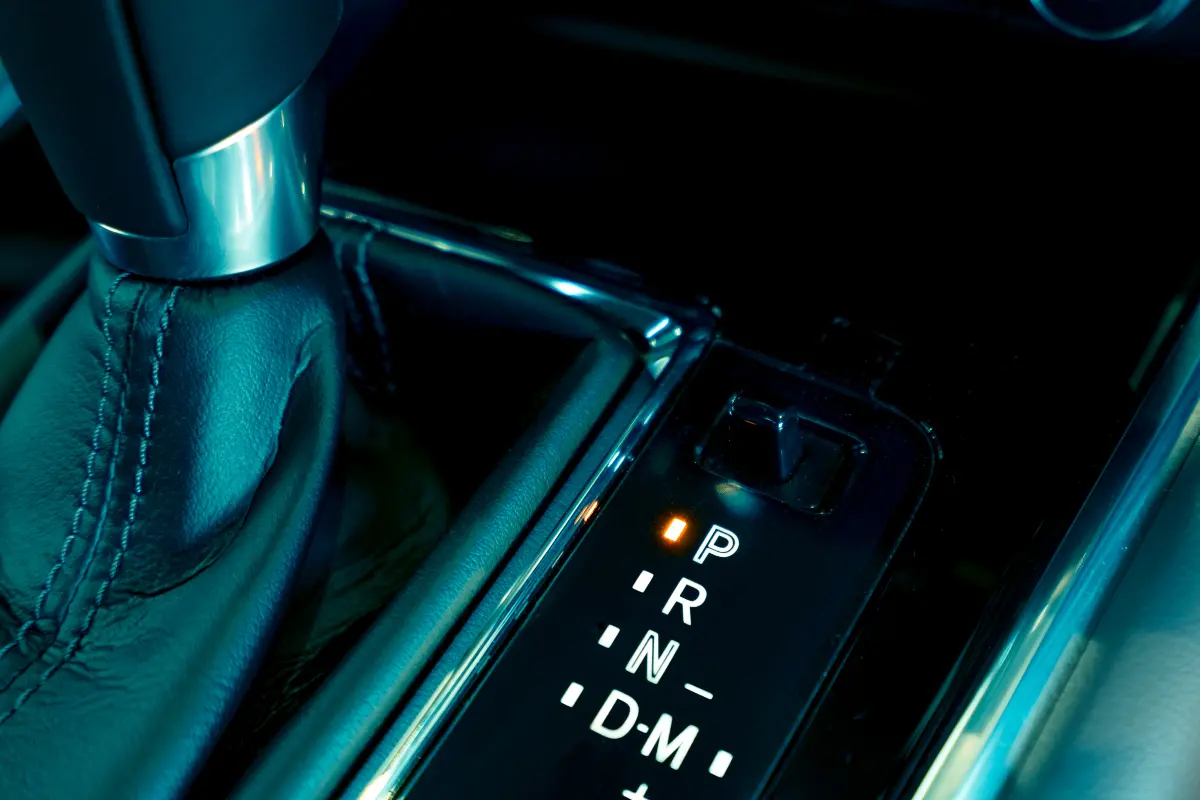
Lastly, it's essential to break the habit of neglecting regular maintenance. Just because your vehicle is automatic doesn't mean it doesn't require regular care. The transmission fluid plays a crucial role in keeping your gearbox running smoothly, and neglecting to change it according to your manufacturer's recommendations can lead to rough shifting, slippage, or even complete failure. Additionally, regular checks ensure the early detection of any potential issues that can be rectified before they become more severe, and costly, problems.
In summary, while automatic vehicles may offer a seemingly uncomplicated drive, they are complex machines that deserve attention and care. By being mindful of not coasting in neutral, keeping hands off the gear lever, appropriately using the parking gear, respecting the vehicle's weight capacity, and staying on top of maintenance schedules, drivers can ensure not only a prolonged lifespan for their automatic car but also a safer and more enjoyable driving experience. It's all about being proactive and respecting the intricate mechanical symphony beneath the hood. Break these bad habits, and the road ahead looks smoother for both you and your beloved automatic vehicle.