


As we settle into our airplane seats, the anticipation of takeoff sets a flutter of excitement in our chest. The cabin crew bustles around, making final checks as the captain’s voice flows through the speakers with the usual pleasantries and flight details. Amid the routine, a subtle change occurs – the lights dim, casting a calm ambiance throughout the cabin. While passengers might appreciate the chance for a restful doze or a break from the harsh overhead lights, there's more to this practice than meets the eye.

Imagine preparing for a theater performance or setting up a cozy atmosphere for a movie night at home; lighting plays a crucial role in both scenarios. Similarly, in the controlled environment of an airplane cabin, the dimming of lights is a carefully considered procedure, essential for both safety and comfort during the critical phases of takeoff and landing.
Safety, undeniably, is the airline industry's top priority. The dimming of cabin lights serves as an important safety measure that's often overlooked by passengers. In the unlikely event of an emergency, particularly during takeoff and landing when most incidents occur, our eyes play a crucial role in helping us navigate our surroundings.
Humans have a remarkable ability to adapt to changing light levels, a process known as 'dark adaptation.' However, this transition isn't instantaneous. When the cabin lights are dimmed, it enables our eyes to adjust to low-light conditions. If there's a need to evacuate, pre-adjusted eyesight can be a lifesaver, preventing the temporary 'blindness' that would come from stepping from a brightly lit cabin into darkness or into the light of flames.
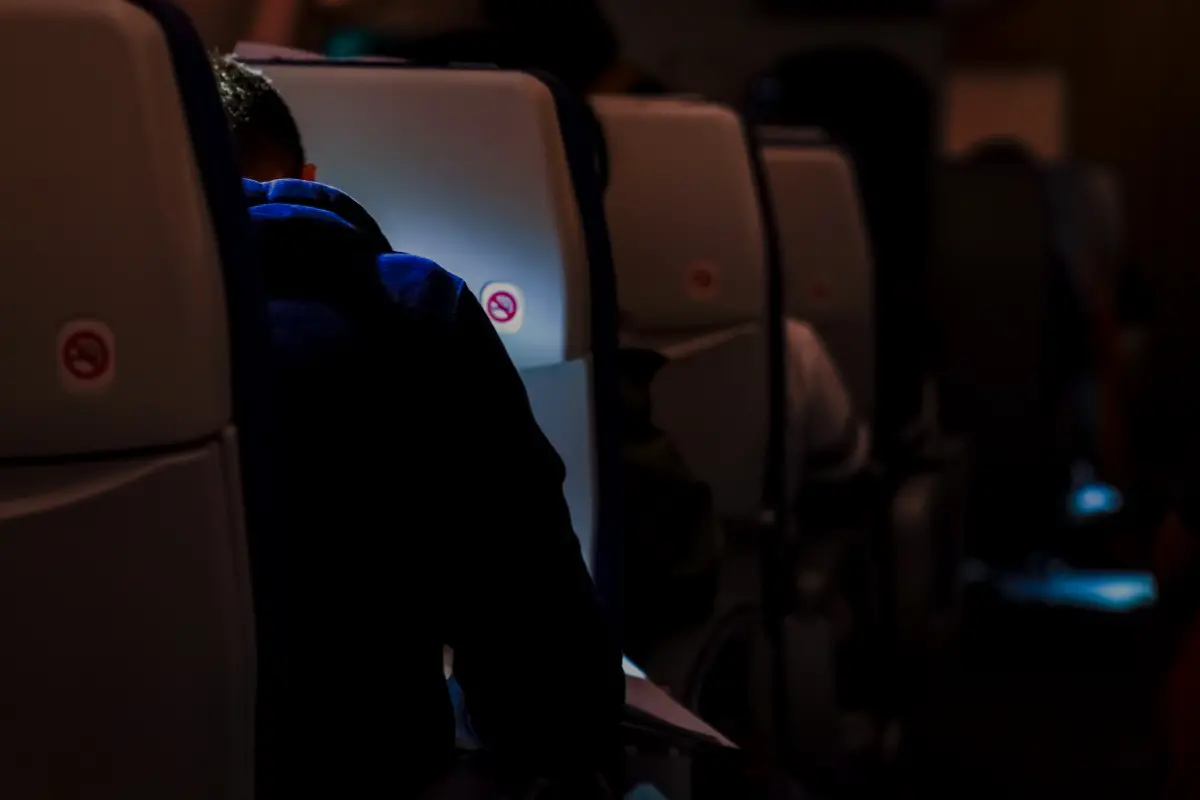
The dimming of lights also serves to direct our attention toward exit signs and emergency path lighting. These come with photoluminescent material that glows in the dark after being charged by the cabin lights. Dimming the lights ensures these critical markers are easily visible, guiding passengers toward exits if needed.
Furthermore, in the event of an emergency that requires the deployment of oxygen masks, a dimmed cabin allows the drop-down masks to become more visible and apparent, ensuring a quicker response from passengers.
But safety isn't the sole reason behind the practice. The physiological effects of lighting on the body are also significant. Adjusting the cabin lighting can aid in minimizing jet lag on long flights by aligning with the time zone of the destination or by mimicking natural circadian rhythms, which is why some airlines use a warmer color during 'sleep times' and a bluer tone for 'wake times.'
Beyond the direct benefits related to vision and safety, dimming the cabin lights also sets a calming mood among passengers. Takeoff and landing are often the most anxiety-inducing parts of a flight for nervous flyers. Dim lights have a soothing effect, which can help ease the tension and create a sense of relaxation as we transition to and from the serenity of being airborne.
Lighting also plays into the psychological experience of flying. The process of dimming the lights signals a change in phase, from the bustle of boarding and preparing for departure to the tranquillity of cruising altitude. Just as lighting cues can invoke a change in atmosphere within a play, the lowering of cabin lights signifies to passengers that it’s time to settle in and prepare for the journey's progression.
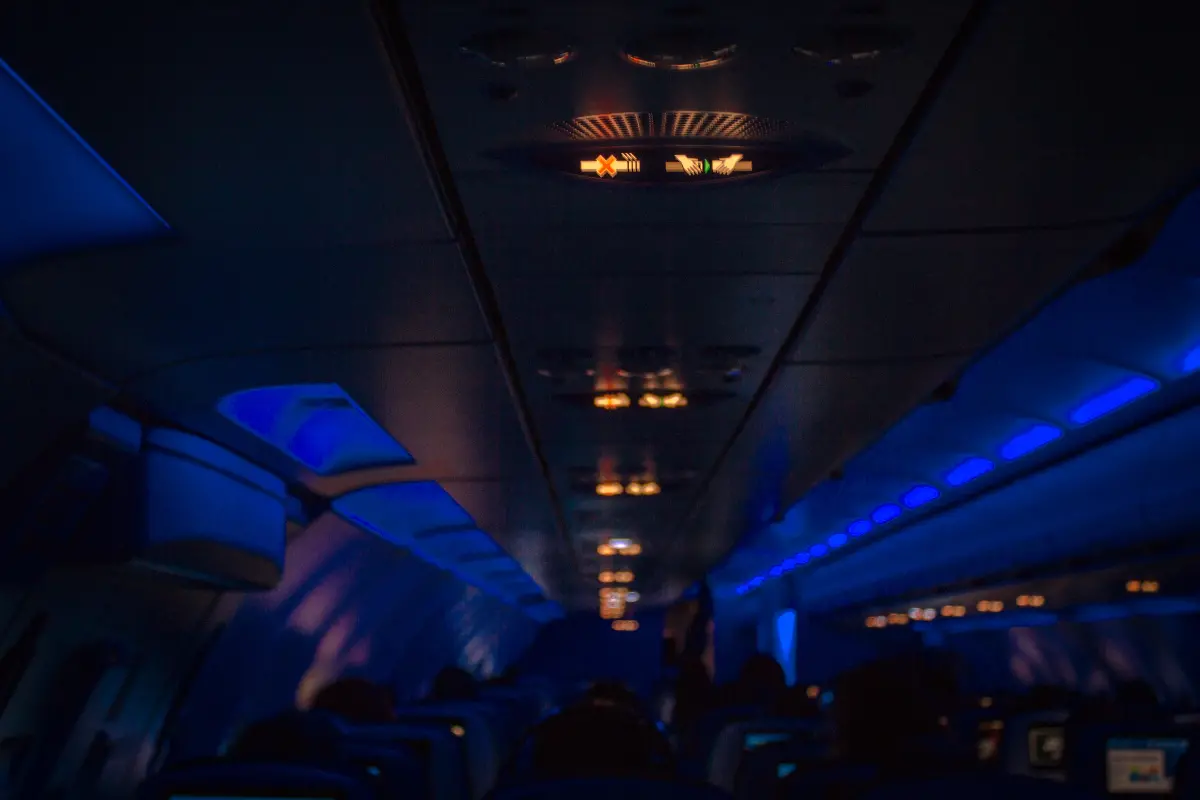
The practice isn't only for overnight flights; it’s a standard procedure for all takeoffs and landings, day or night. During daytime, the contrast between the bright sky outside and the cabin’s interior may not be as stark, but allowing our eyes to acclimate remains beneficial.
With aviation regulations varying across the globe, each airline may approach the process slightly differently, but the underpinning reasons remain universally recognized within the industry. It's a topic that might not typically be on a passenger's radar, but it’s a testament to the countless meticulous considerations that go into making air travel as safe and comfortable as possible.
So next time, as you find yourself on a plane experiencing the backdrop of lights fading away, take a moment to appreciate the intent behind this simple action. It's not just an atmospheric touch or a cue that the journey is beginning. It's a carefully orchestrated maneuver grounded in practicality, designed to ensure your well-being. It reminds us that, in the complex ballet of aviation, every detail, no matter how small, is choreographed with the utmost precision and purpose.