


Intricately designed, bursting with vibrant colors, and steeped in centuries of history, the azulejo is not just a decorative tile but a storytelling canvas that adorns the walls of Portugal's palaces, churches, restaurants, and even railway stations. Beyond their ornamental value, these ceramic tiles hold the cultural essence of Portuguese aesthetics and are a testament to the country's artistic legacy.
The art of azulejo dates back to the 13th century, evolving through Moorish heritage and blossoming in Portugal where it took on distinctive characteristics and narratives reflective of Portuguese life and history. The word "azulejo" is derived from the Arabic word "az-zulayj" which means "polished stone", capturing the essence of their shiny surfaces which once mirrored the tin-glazed ceramic tiles from the Middle East.
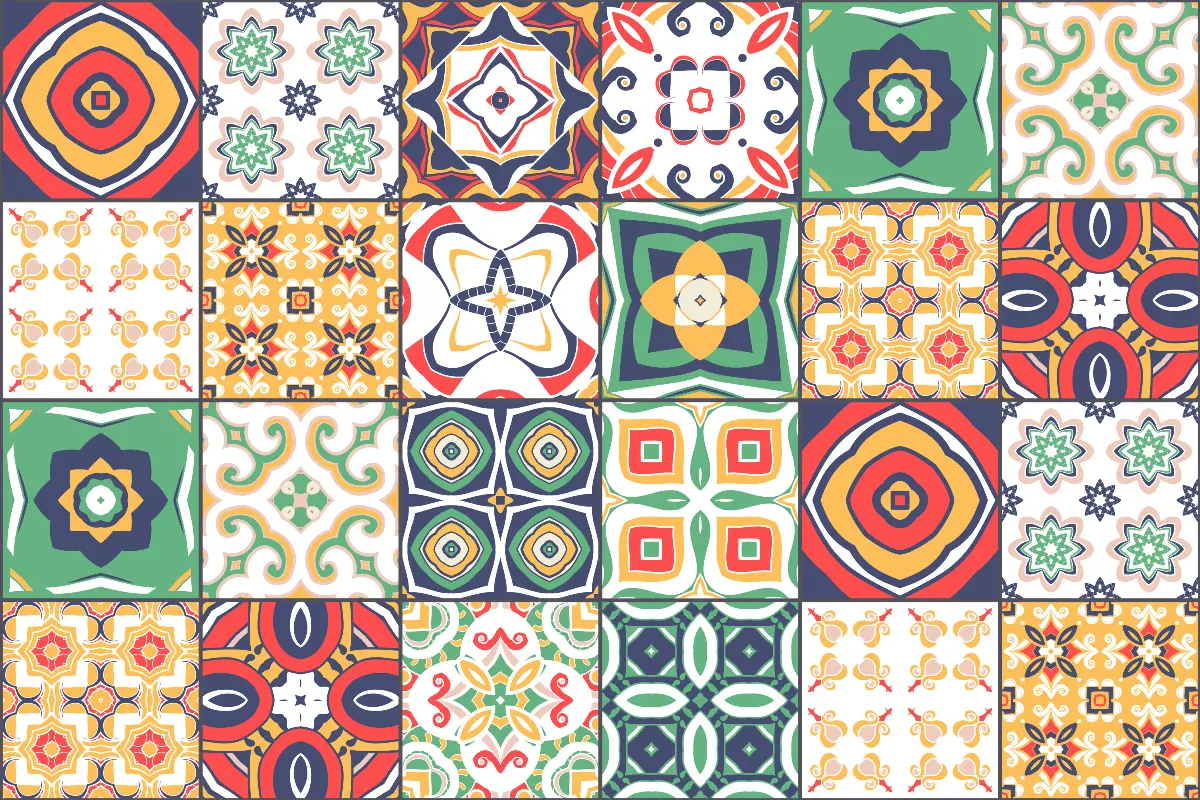
Azulejos initially featured geometric patterns, similar to those found in the Islamic art of the Moors. However, through the centuries, the Portuguese added their twist to the design, introducing imagery that depicted scenes from history, religion, and everyday life, effectively transforming the tiles into a visual chronicle.
The process of creating these tiles is as meticulous as it is fascinating, and it has remained relatively unchanged over the centuries despite advances in technology. It begins with clay, which is carefully mined, processed, and then shaped into square tiles. The shaping process must ensure the ultimate smooth surface on which artists will later paint their designs.
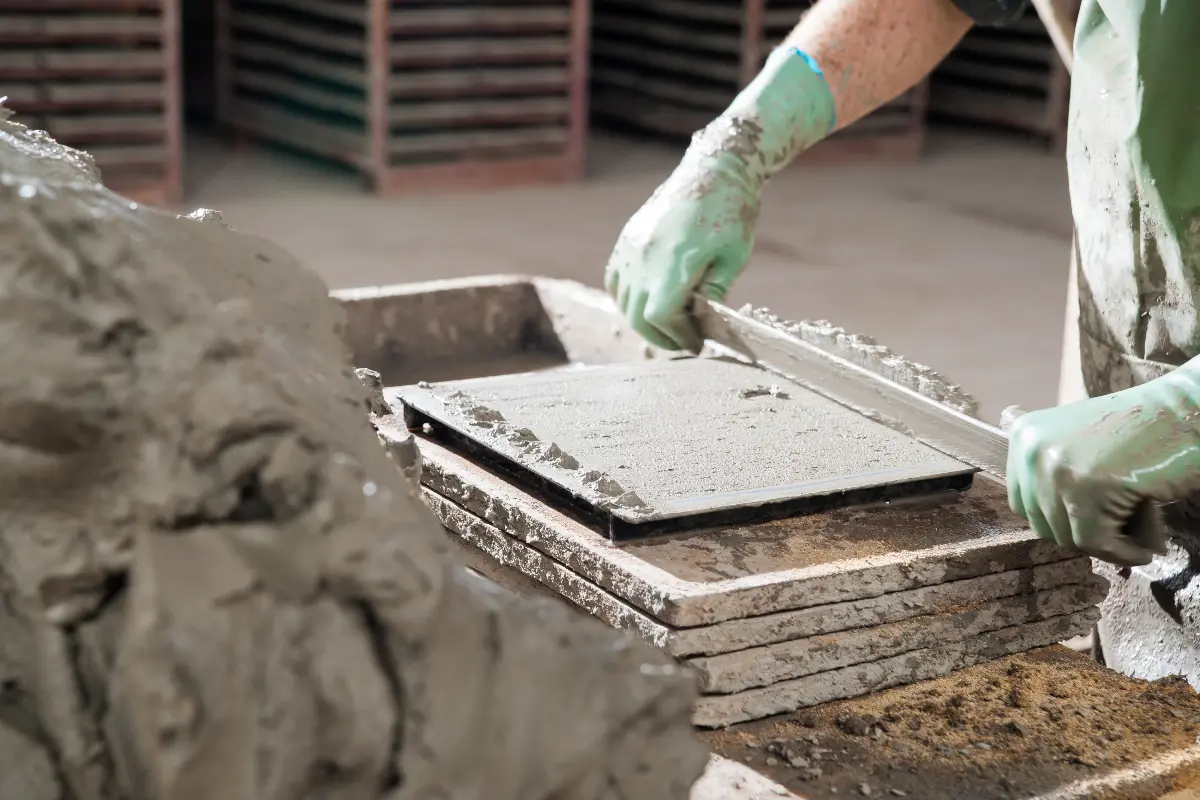
Once shaped, the tiles are left to dry, a process contingent on the weather. Ideal drying conditions are warm and sunny—too much humidity can spoil the structural integrity of the tile. After drying, the tiles are fired in a kiln at high temperatures, which hardens them and prepares them for glazing.
Glazing is a key step in the creation of azulejo tiles, as it not only seals the tile but also creates a porous surface that allows the paint to adhere. Historically, azulejos were coated with a tin-glaze, which provided a stark white, opaque background. Even today, the glaze is typically white, serving as a canvas for the artwork.
The artists then take over, adorning the tiles with various motifs. These range from the traditional blue and white, paying homage to the azulejo's Moorish roots, to full-color pictorial scenes. Originally, the designs were applied by hand, with artists tracing patterns onto the tiles before using mineral-based paints to fill them in. The choice of pigments is critical, as the colors must endure another firing without losing their vibrancy.
After painting, the tiles undergo a second firing. During this step, the paint fuses with the glaze, ensuring that the artwork is both permanent and weather-resistant—an essential feature for tiles that often adorn the exteriors of buildings.

One of the most striking features of azulejo is their ability to tell stories. Historic azulejos often depict significant events, glorifying battles, or religious scenes. As the popularity of azulejos grew, so too did their narrative scope, and by the 17th century, the tiles featured more diverse subject matter, including landscapes, mythological scenes, and depictions of daily life.
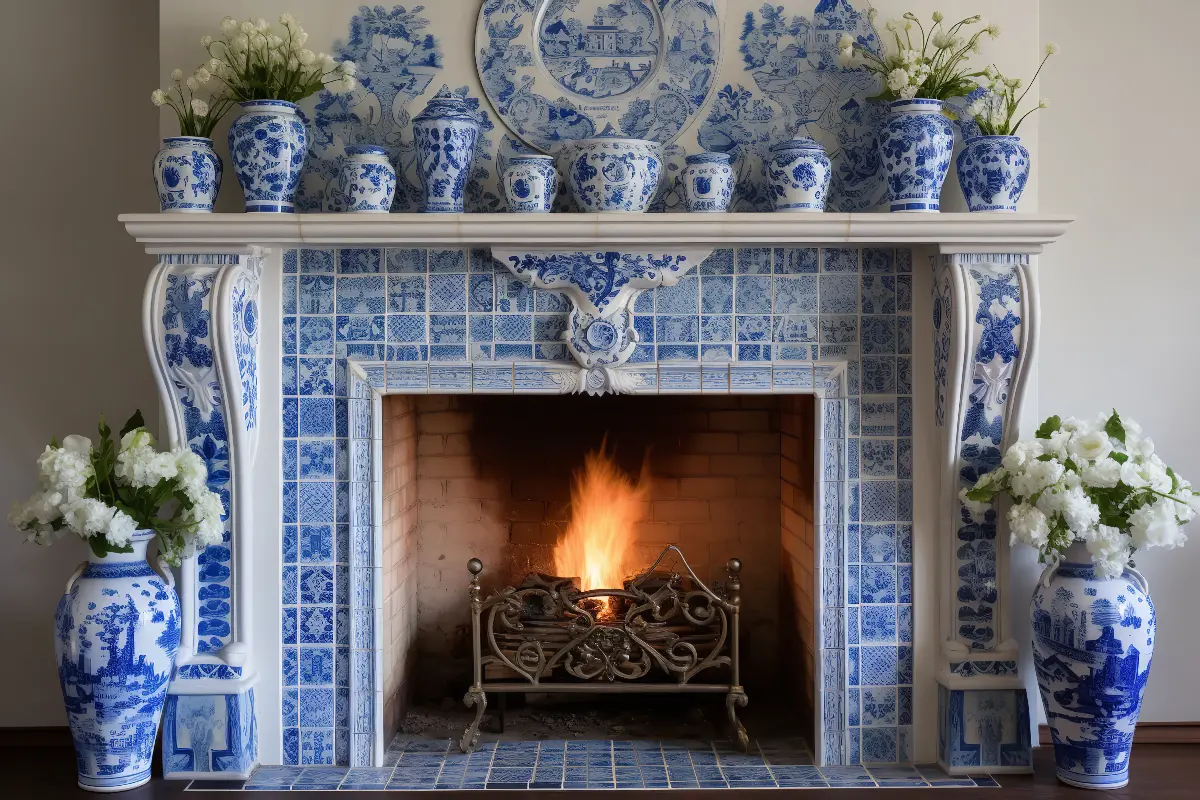
The 18th century brought significant evolution to azulejo artistry with increased demand and the introduction of the grand 'azulejo de faixa' or panel tiles, which allowed for even grander narrative artworks to unfold across the walls on which they were mounted. This was also when the iconic blue and white tones became synonymous with the Portuguese tile, inspired by Delftware of the Netherlands.
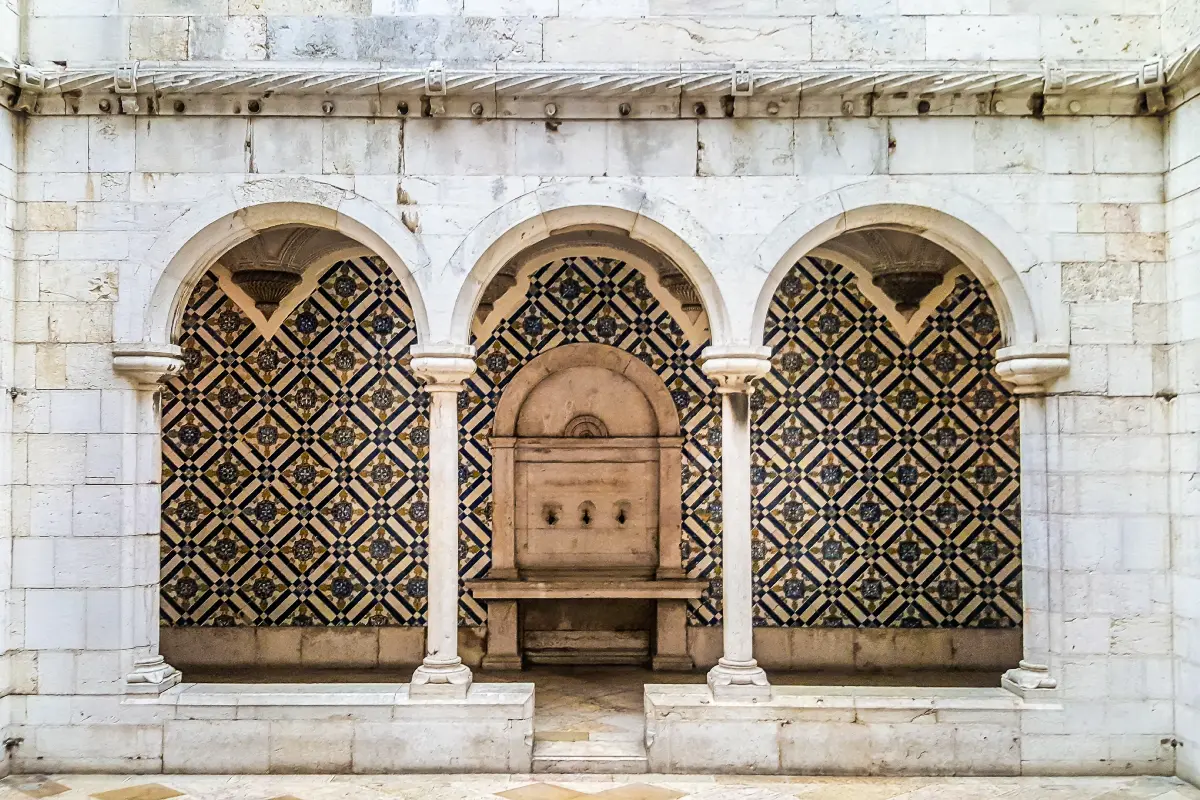
One cannot discuss azueljos without touching upon the great masterpieces found throughout Portugal. Lisbon's São Vicente de Fora monastery features azulejo panels that illustrate La Fontaine's fables, while Porto's São Bento railway station contains over 20,000 tiles depicting the history of transport and scenes from Portuguese history.
These tiles do more than just beautify the spaces they occupy; they are markers of identity and tradition, symbolizing an artistic lineage that reflects the soul of Portugal. Modern-day artists continue to embrace the ancient techniques, ensuring that the legacy of azueljos not only endures but evolves. Contemporary interpretations see these tiles capturing modern narratives and motifs but always with a nod to their storied past.
While originating in the Iberian Peninsula, the influence of azulejo can be traced around the globe, including decorative arts in Brazil, former Portuguese colonies in Africa, and Goan cathedrals in India. They have inspired fashion, interior design, and even modern street art, proving that while deeply rooted in history, azulejos possess a timeless appeal.
The legacy of azulejos is protected and celebrated in Portugal, where preservation efforts uphold the integrity of historical pieces, while schools teach the traditional methods to new generations of artists. Museums, such as the National Azulejo Museum in Lisbon, provide a sanctuary where the journey of the azulejo may be appreciated in full, from its earliest forms to its contemporary interpretations.
The art of azulejo represents a harmonious blend of artistry, history, culture, and storytelling. In these colorful tiles, one not only sees a reflection of Portugal's past but also its vibrant, ever-evolving spirit. Through azulejos, Portugal has etched its aesthetic legacy onto the walls of time, inviting the world to gaze upon its tales of glory, faith, and daily life—one glazed square at a time.