


Street performances are a feast for the senses and a splash of culture on the concrete canvases of city life. Across the globe and in the vibrant corners of Malaysia, these performances are not an uncommon sight, with tourists and locals alike being dazzled by the alchemy of art in the most unexpected places. But what is it about street performance that captures the hearts of so many people?
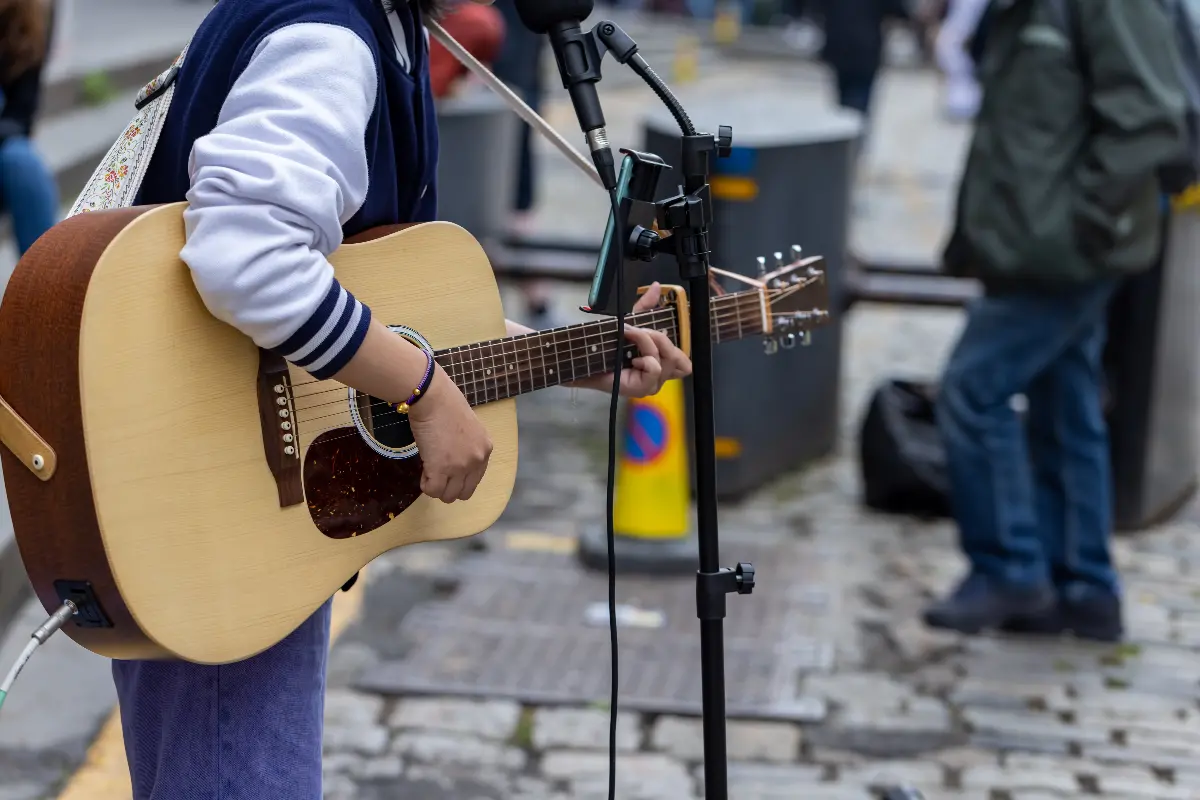
The allure of street performance lies in its accessibility. As cities grow into bustling metropolises, art has found a way to step out of the traditional confines of galleries and theaters to meet people where they are. From the pulse of Kuala Lumpur's thoroughfares to the charm of Penang's heritage streets, performers offer an impromptu escape from the mundane routine of everyday life. There is no ticket price, no walls, just the open air and an invitation to experience something extraordinary.
This democratization of the arts is a significant factor in the popularity of street performance. It has broken down the barriers that often make art seem exclusive. Whether you're a market vendor, a visiting tourist, or an office worker on your lunch break, you have a front-row seat to a world-class act. The egalitarian nature of street performance ensures that it is an art form that belongs to everyone, and this shared ownership is a powerful connector among diverse groups of people.
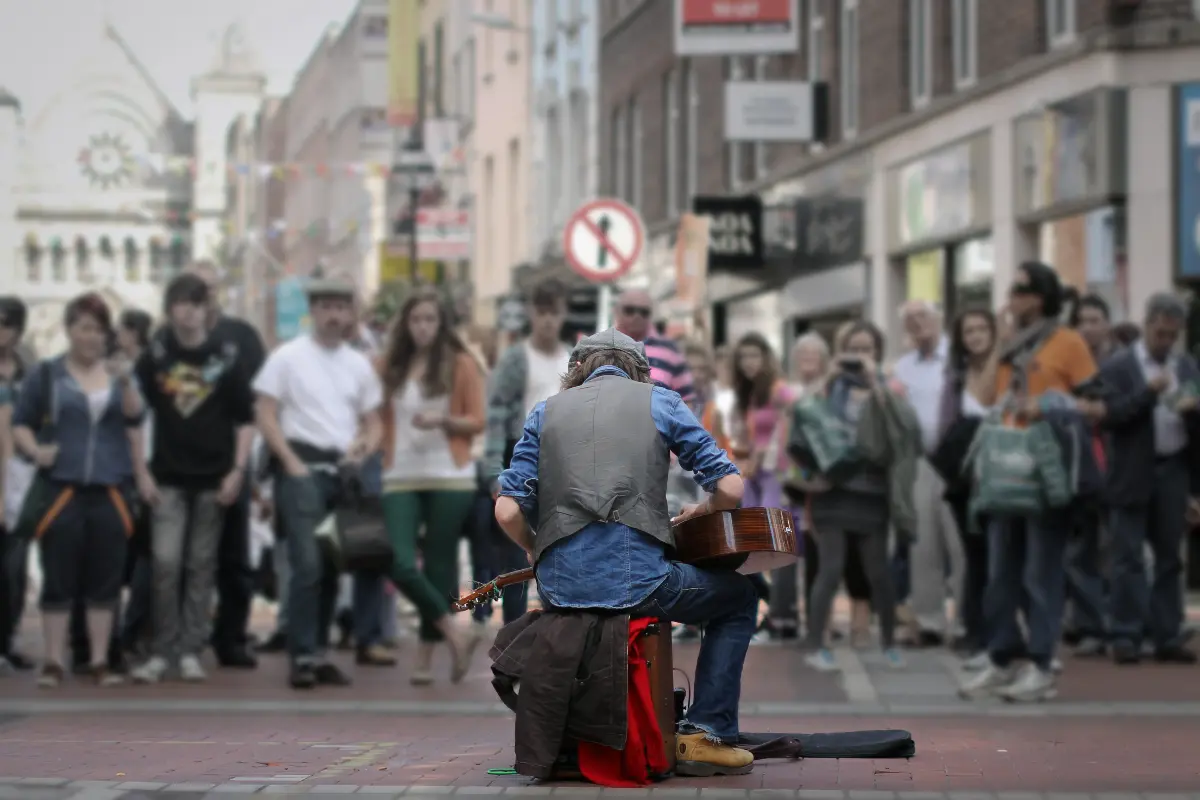
Street performances are also a pulsating artery of cultural expression. Malaysia, being a melting pot of ethnicities and traditions, finds a harmonious voice in the juggling, dancing, and singing that happens curbside. The performances are often infused with local flavors—a traditional dance, an instrumental ensemble of gamelan, or a sketch reflecting the socio-political tapestry of the nation. Such acts preserve and promote the cultural heritage, while also evolving it through contemporary interpretations and dialogue with spectators.
Another key aspect of street performances is their vibrancy and immediacy. There's an unspoken excitement in the unpredictability of live performance—the awareness that what you’re witnessing is unique and ephemeral. Unlike recorded forms of entertainment, a street performance is a live interaction where the acrobat might wobble, the musician might improvise, and the crowd might become part of the act. This immediate and connective experience engenders a distinctive collective joy and a sense of being part of something larger than oneself.
Economically, street performances contribute to the local street life and vitality, often attracting a crowd that benefits nearby businesses. A captivating fire dancer or a mime replicating the motions of a robot can be a magnet for foot traffic, creating an impromptu marketplace where the audience might stop for a snack or a souvenir after the show. The performers themselves, through their art, make a living, turning public spaces into stages of livelihood.
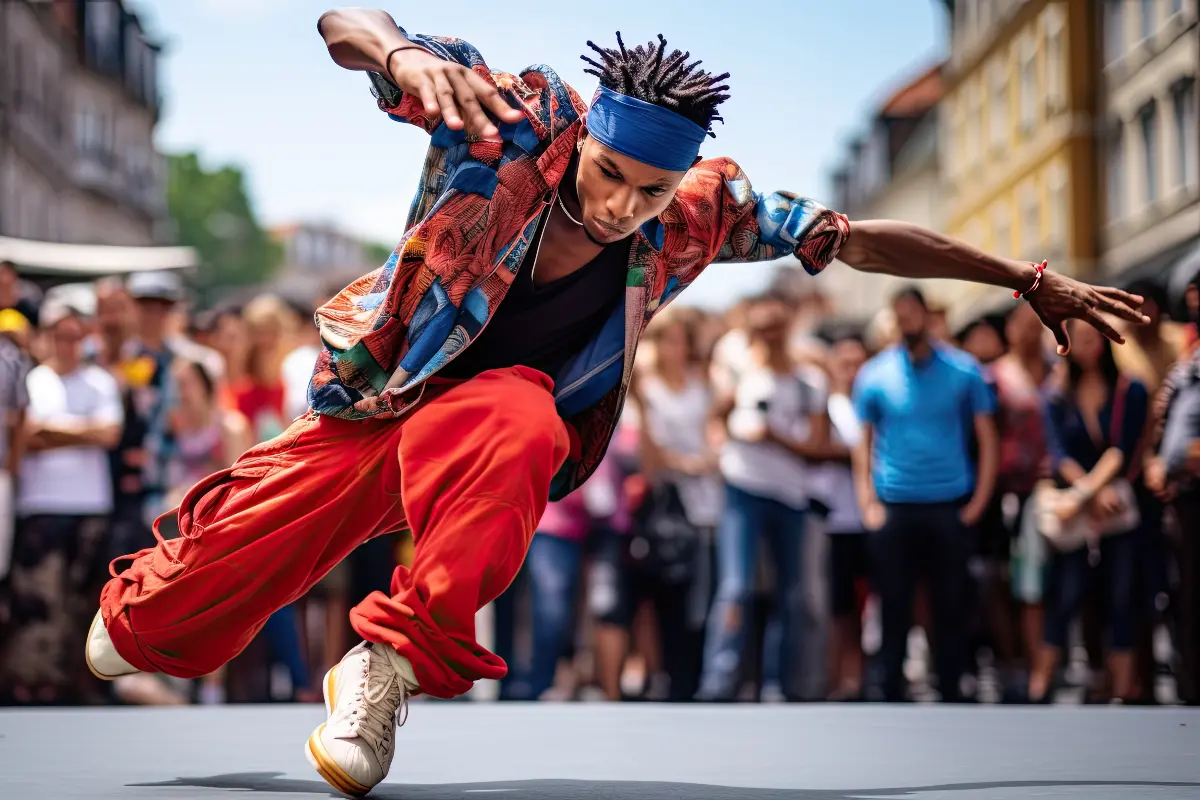
Furthermore, street performances can often be a form of social commentary. Performers have the freedom to address political issues, social injustices, and cultural narratives that resonate with the public. Through the levity of performance, they can broach heavy topics, offering new perspectives and igniting conversations among the community in a way that is more palatable and engaging than traditional news mediums.
Street performance also offers a platform for emerging artists to hone their craft. With less pressure than formal venues, the streets can serve as a testing ground for new material where immediate audience reaction provides valuable feedback. For many successful artists, the street was their first stage, where they developed the resilience and adaptability necessary for a career in the arts.
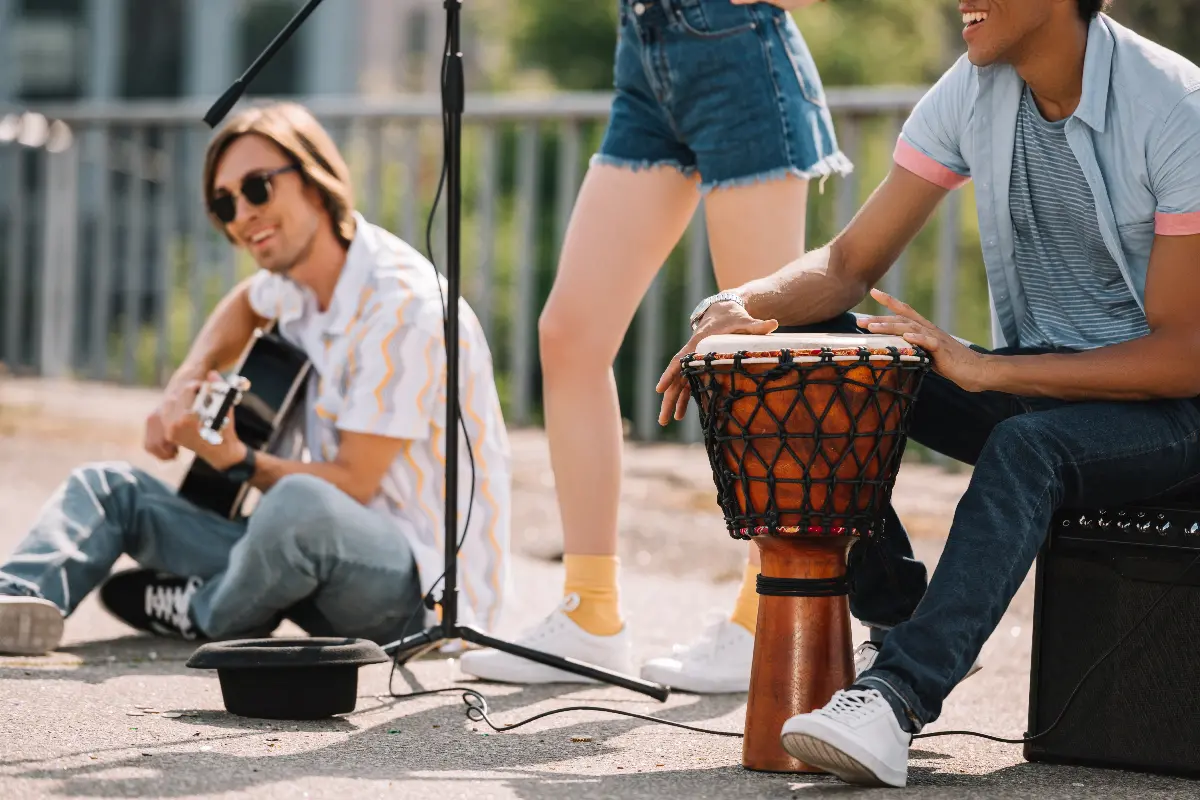
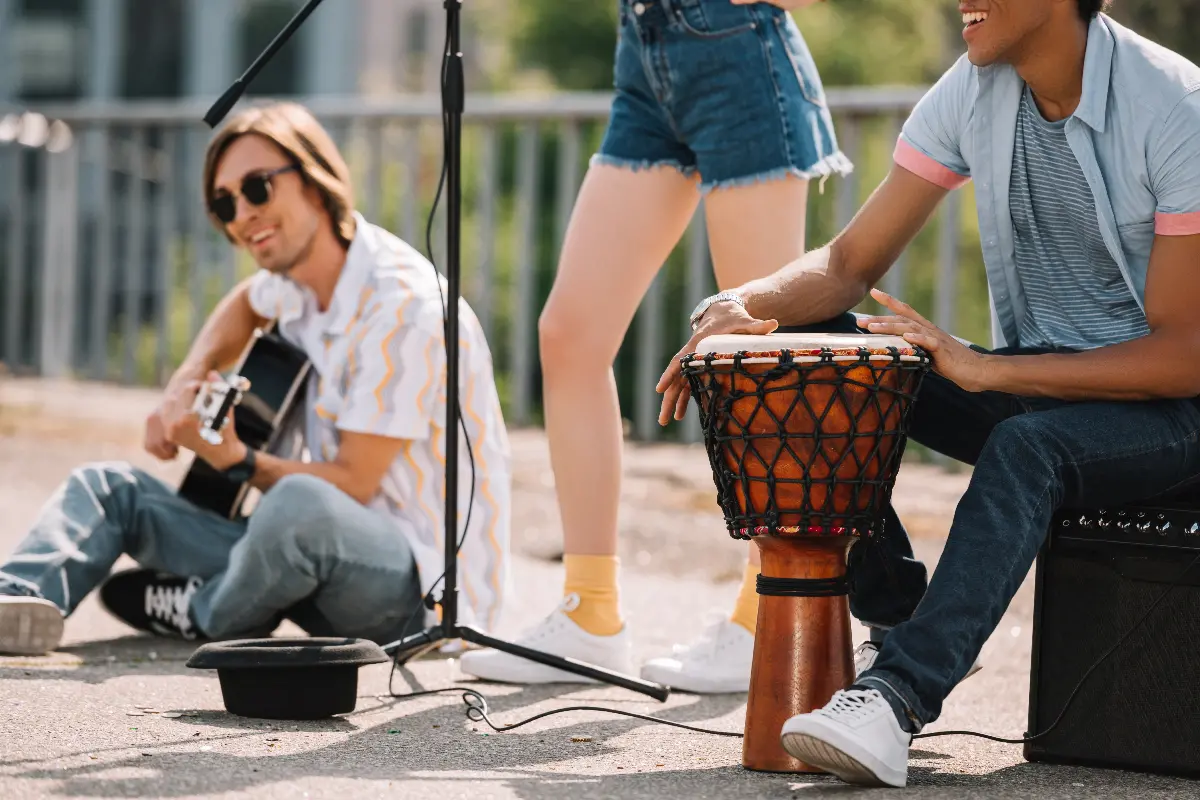
Every street performance ends with the clinking of coins in a hat or a case—a heartfelt exchange of appreciation. This act of giving reflects an unspoken contract between the performer and the audience. It's not just about money; it's a token of gratitude for the joy and wonder that performers bring into daily life, a recognition of their dedication to their craft.
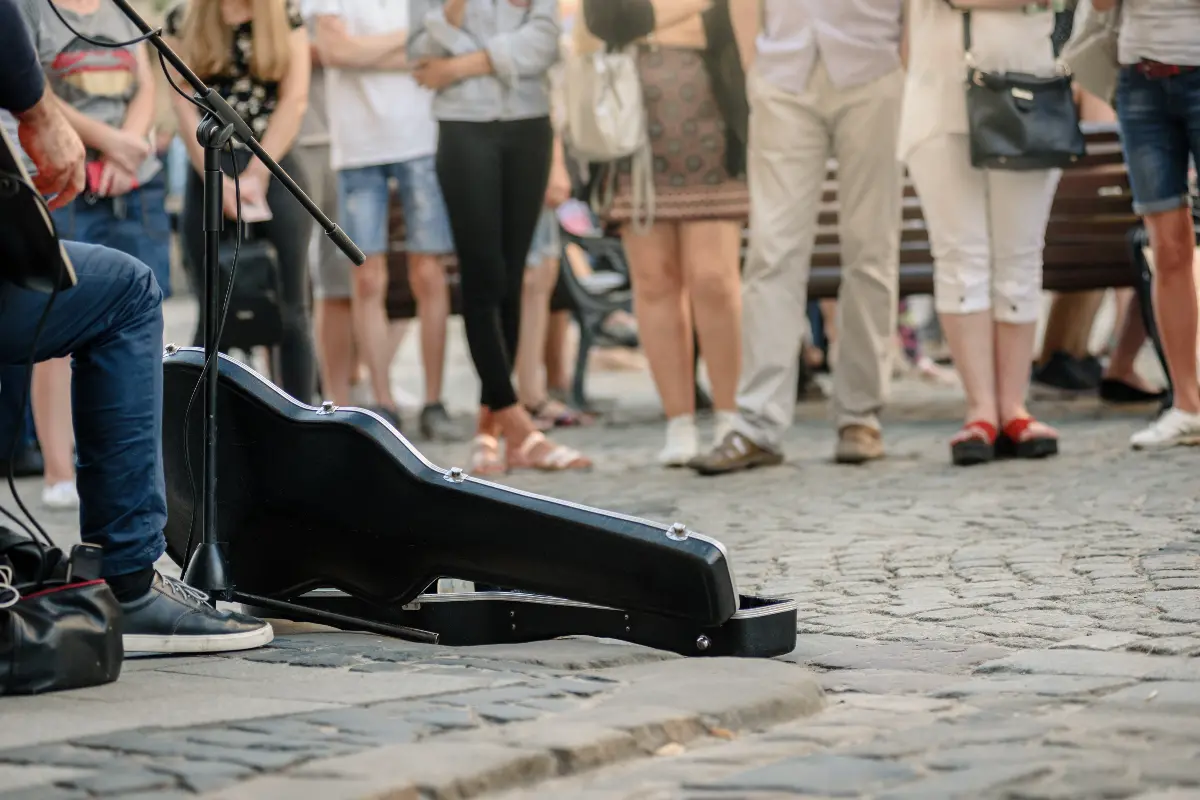
So, why do people love street performance? It's simple. Street performance is human connection in its most artistic form. It captures life as it happens—a shared moment where tales and talents unfold curbside. It’s unexpected magic in the ordinary world, a testament to the intrepid spirit of artists who claim the streets as their canvas, and a community that embraces them. Art on the streets, therefore, isn't just an exhibition—it's a legacy of living art that transforms pedestrian pathways into galleries of the human spirit, one performance at a time.