


At first glance, the cutting board is the unsung hero of the kitchen, a silent partner in the creation of everything from daily sandwiches to gourmet meals. While its primary function is straightforward, this humble kitchen staple harbors a secret utility in one of its most overlooked features—the hole. Often presumed to be a mere handle or a simple design choice, the hole in your cutting board holds more purpose than you might think.
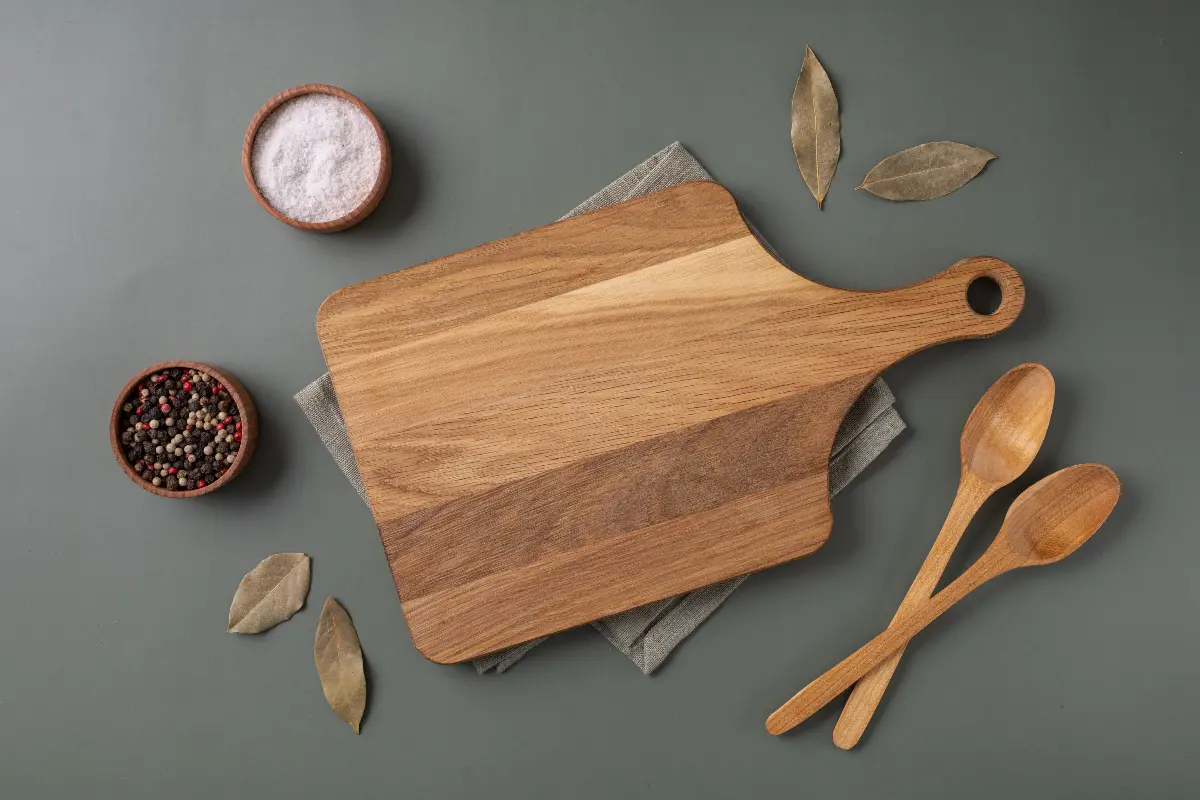
To understand the hidden purpose of your cutting board's hole, let's delve into the design philosophy behind kitchenware. Efficiency and multifunctionality are key in the development of culinary tools, particularly those that demand a spot in the modern home. Manufacturers don't just consider the cutting surface; they ponder how the board can serve the user in multiple ways without compromising its primary function. Hence, the hole is not only a practical solution for storage or handling but also serves several other purposes which may enhance your culinary endeavors.
One of the nifty uses of the hole is the ability to directly transfer chopped ingredients into a pot, pan, or bowl. Picture this, you've just finely chopped some herbs, and instead of precariously trying to slide them off the side of the board—a maneuver that often leads to spills on the counter—you can simply sweep them through the hole and into your dish. This little hack not only saves time and mess but also speaks volumes about the thoughtfulness behind the cutting board's design.
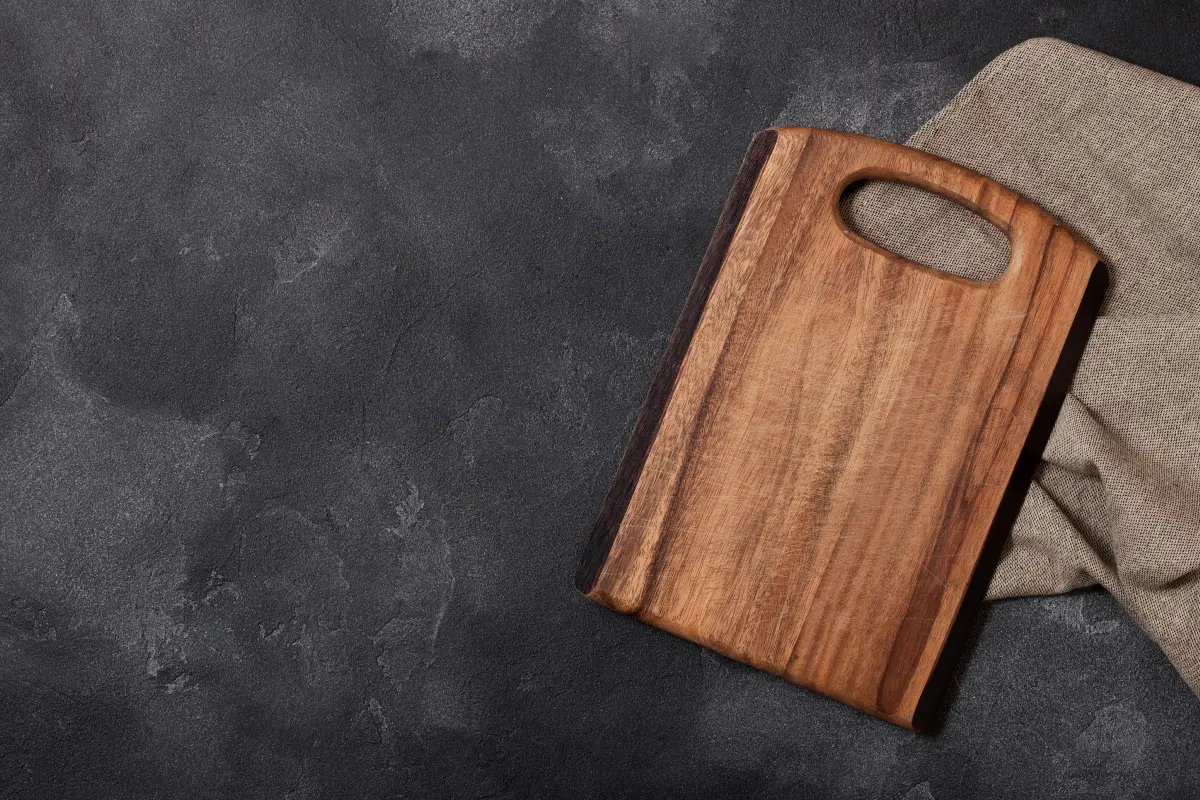
The hole also serves as a perfect guide for slicing. Imagine pushing a carrot or a cucumber through the hole just enough to secure it; as you slice, each piece falls neatly underneath, creating uniform cuts and reducing movement. This clever technique not only speeds up meal prep but also keeps your fingers further away from the blade, adding a layer of safety to the slicing process.
Hanging your cutting board is perhaps the most apparent function of the hole, and for a good reason. Kitchen space is precious, and clutter can be the bane of meal preparation. The ability to hang the cutting board not only frees up counter or cabinet space but also allows for better air circulation—a key component in preventing bacterial growth and odors, especially on boards made of porous materials like wood.
Beyond practicality, the hole provides a way to extend the life of your cutting board. Professional chefs often rotate their chopping boards to ensure even wear and prolong their usability. When one surface becomes too scarred or the edges dull from knife marks, flipping or rotating the board ensures a fresh cutting surface. The hole makes it easy to remember which side is which, by simply keeping track of its position.
This small perforation can also transform the cutting board into a makeshift serving platter. Charcuterie, cheese samplings, or an array of fruit can be artfully arranged with the hole providing an interesting visual element or a convenient handle. Additionally, a ribbon or a colorful strap threaded through the hole can upgrade your presentation game for social gatherings or add a personal touch when offering homemade food gifts.
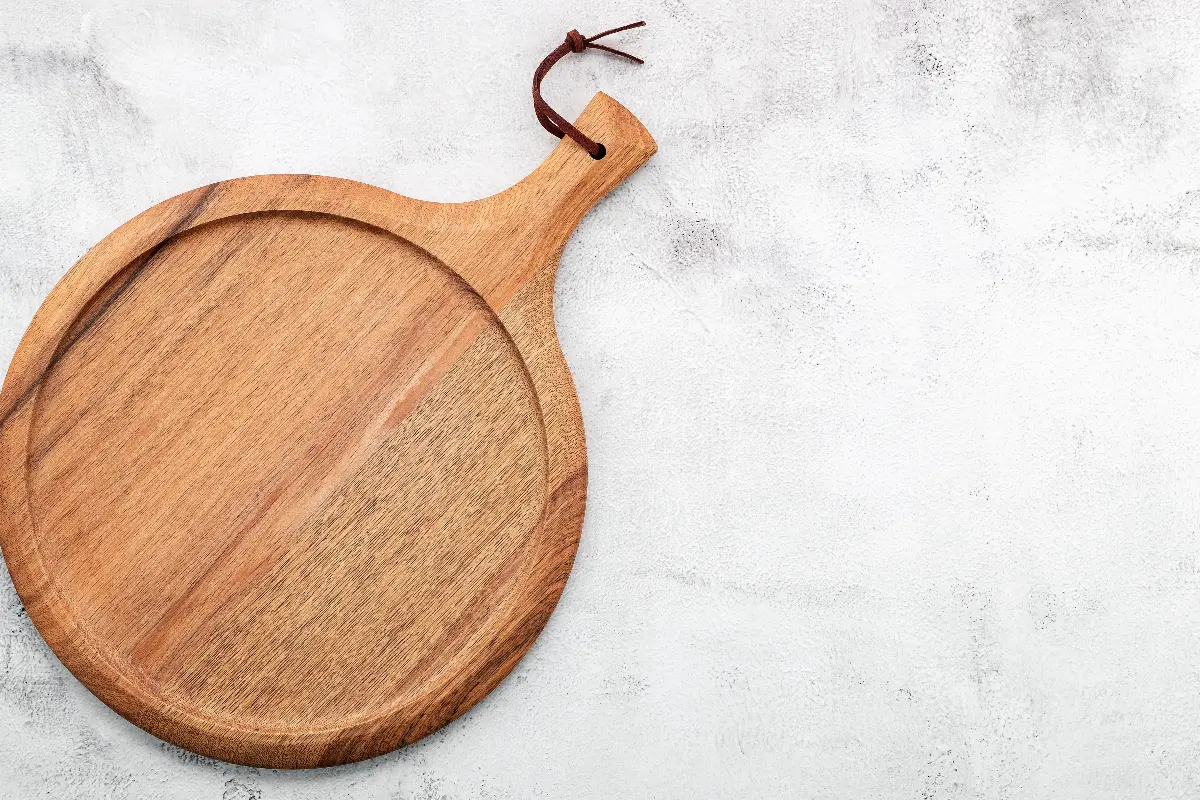
Moreover, the hole can be an anchor point for securing the cutting board in place. Some chefs use a damp cloth or a non-slip mat under their boards to prevent slipping during cutting tasks. By threading a hook or a clamp through the hole, you can further stabilize the board, particularly beneficial when dealing with slick ingredients like fish or ripe tomatoes.
Innovative culinary enthusiasts have found even more specialized uses for the cutting board's hole. For bakers, the hole can be a manual size guide for dough, helping to achieve consistently sized loaves or bagels. For those who love to repurpose and upcycle, an old cutting board with a hole can be converted into a stylish kitchen tablet stand, perfect for following online recipes or cooking tutorials.
In conclusion, the hole in your cutting tray is not just an arbitrary design choice. It's a testament to the ingenuity of kitchenware designers who understand the kitchen environment's demands for versatility, safety, and efficiency. Next time you wield your knife and prepare to dice an onion or julienne some peppers, consider the full potential of the hole in your cutting board. With a bit of creativity and a nod to practicality, this simple feature can significantly streamline your culinary process, reinforce safety, and even add a dash of style to your kitchen décor. It's not just a hole; it has the power to enhance your cooking experience, one slice, dice, or hang at a time.