


Maximizing the lifespan of your vehicle’s engine isn’t just about regular maintenance and servicing. Believe it or not, the fuel you use and how you use it can have a significant impact on the longevity and performance of your car’s heart. Whether you’re a seasoned driver in Kuala Lumpur's hustle or setting off for a serene drive around the paddy fields of Kedah, these little-known fuel tips could save you from frequent trips to the mechanic and keep your engine purring for years to come.

Fuel quality is paramount. In Malaysia, fuel standards are regulated, and you'll typically encounter RON 95, RON 97, and diesel at the pumps. While it may be tempting to save a few ringgits and opt for the cheaper fuel, consider your vehicle’s requirements. High-performance engines designed for premium fuel (RON 97 or above) may not run as efficiently on lower octane ratings, leading to engine knocking, reduced performance, and potentially, long-term damage. Conversely, don’t spend more on high-octane fuel if your engine doesn’t require it; instead, choose a reputable fuel brand that guarantees a level of quality and cleanliness.
Another lesser-known fact is that not all fuels are created equal even within the same octane rating. Many premium fuels contain detergents and additives that help protect your engine by cleaning and lubricating the internal components. These detergents prevent the buildup of carbon deposits, which are notorious for choking engines, hampering fuel efficiency, and increasing emissions. Over time, using fuel that keeps your engine clean can reduce wear and tear and help your engine maintain optimal performance.
It’s also important to consider when you refuel. Filling up your tank in the cooler hours of the morning or late evening can result in you getting more bang for your buck. Fuels are denser at lower temperatures, meaning you get a slightly greater mass of fuel for the same volume pumped. While the difference per fill-up may be marginal, over the lifespan of your vehicle, this can translate into a considerable amount of extra fuel and, subsequently, extend your engine’s life by reducing the number of times you need to refuel.

If you're looking to preserve your engine's integrity, avoid letting your fuel tank dip too low consistently. Why? Because fuel pumps are often cooled and lubricated by the fuel itself. Allowing your tank to run almost dry frequently increases the risk of the pump overheating and picking up sediment or rust that typically sits at the bottom of your tank. This detritus can clog fuel filters and injectors, leading to inefficient combustion, reduced power, and increased wear on engine components.
Moreover, be cautious with the use of biofuels. Although newer vehicles are designed to be compatible with biodiesel blends, excessive use of certain types of biodiesel can impact engine life. Biodiesel is known for its excellent cleaning properties, but it can also loosen debris in fuel lines and tanks, which might clog filters. Additionally, it’s more prone to attracting moisture, which can lead to fuel contamination and microbial growth in your tank, potentially causing corrosion. If you're using biodiesel, ensure your vehicle’s compatibility and maintain vigilant about regular filter changes and fuel system maintenance.
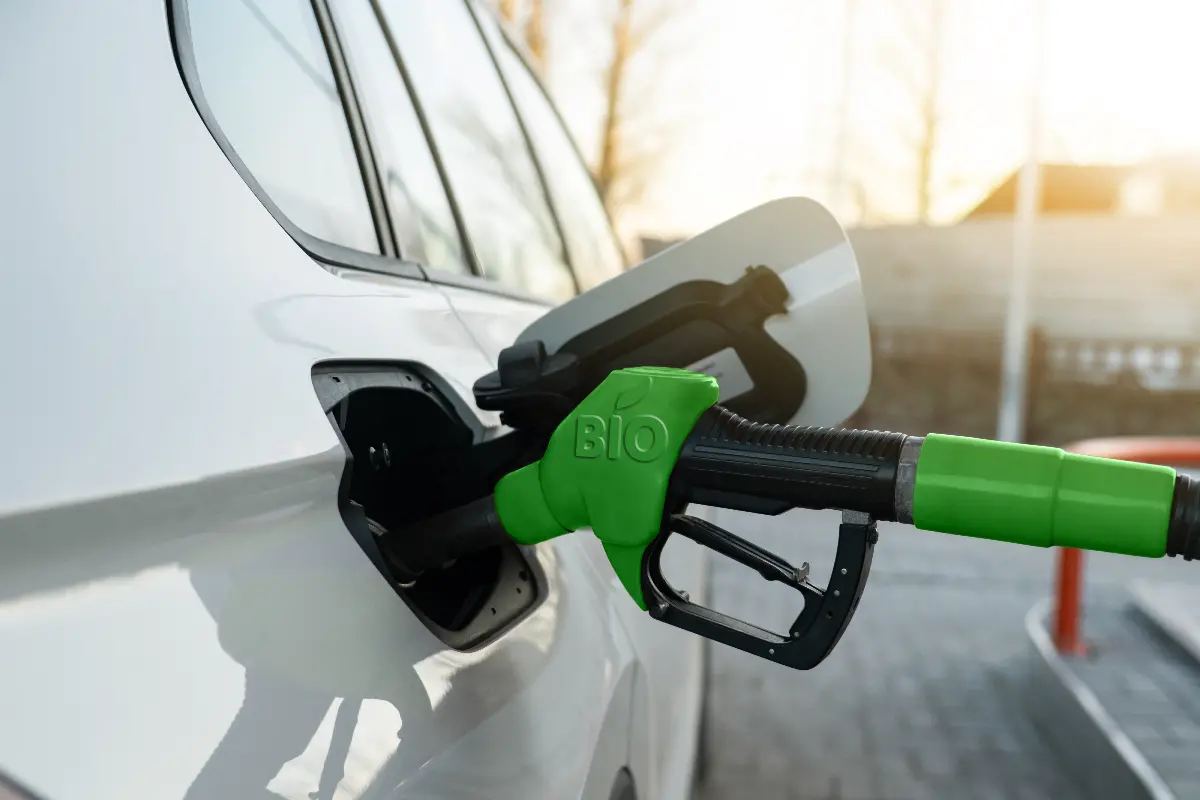
Another fuel tip that might come as a surprise is the practice of overfilling. When you try to top off your tank after the pump automatically shuts off, you risk overflowing the evaporative system with excess fuel. In modern vehicles, the evaporative system captures fuel vapors before they can escape into the atmosphere and reroutes them to run through the engine. Overfilling can force liquid fuel into the system, which is meant only for vapors, leading to performance issues and potentially costly repairs.
Lastly, let's talk about fuel stabilizers. If you're storing your car or not using it for an extended period, fuel stabilizers are your friend. Fuels can degrade over time, forming gums and varnishes that may clog the fuel system. A stabilizer can keep the fuel fresh for several months, ensuring your engine starts smoothly after being out of use.
In conclusion, the fuel you choose and how you handle it can make a significant difference in the maintenance and longevity of your engine. Be conscious of the type of fuel your engine requires, opt for quality fuel brands, consider the timing of your refueling, keep your tank above a quarter full, be mindful of biofuel use, avoid overfilling, and use fuel stabilizers for storage. Mindful fuel practices can extend your vehicle's engine life, save you money in the long run, and contribute to a smoother, more enjoyable drive across Malaysia's diverse landscapes. After all, the health of your engine is directly correlated to the lifeblood you choose to pump into it. Drive smart, and your vehicle will thank you for it.