


For many beginner drivers, the debate between choosing an automatic or a manual car is one that requires careful consideration. Both types of transmissions have their unique benefits, challenges, and enthusiast communities. In this article, we'll delve into the intricacies of automatic and manual cars to help you determine the best fit for your driving style and needs.
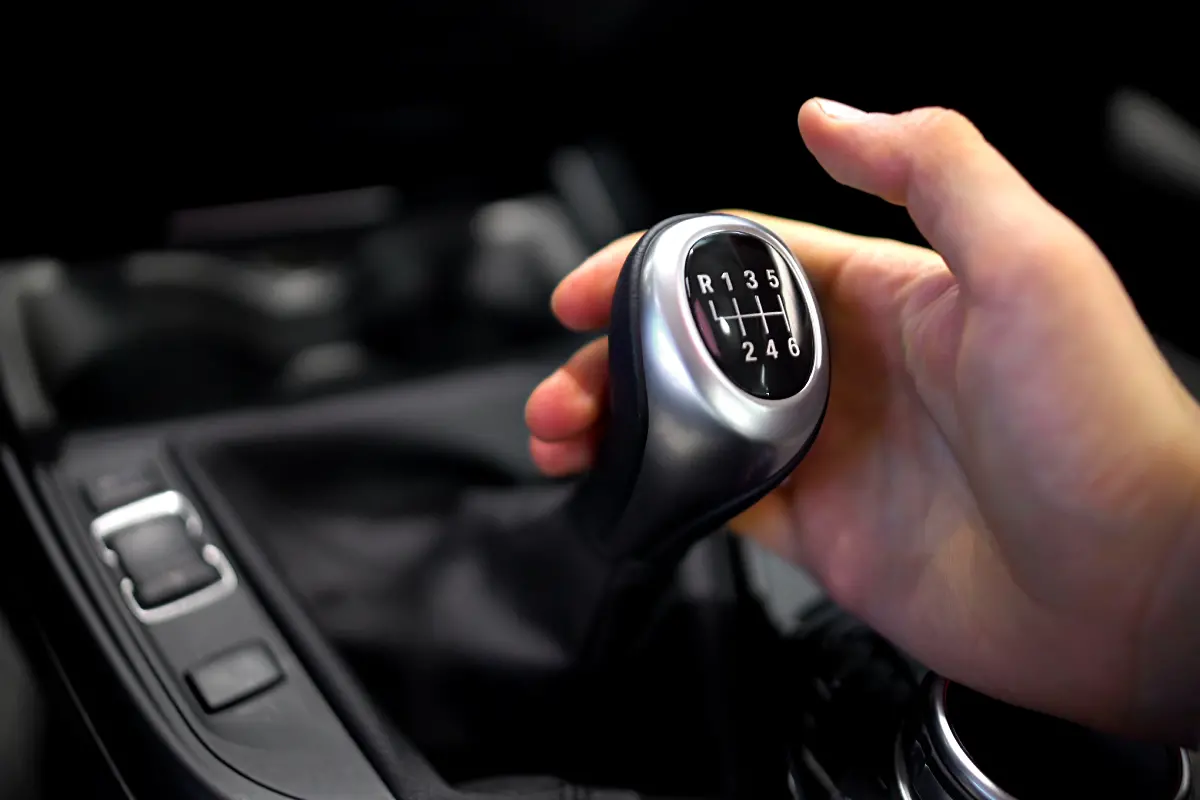
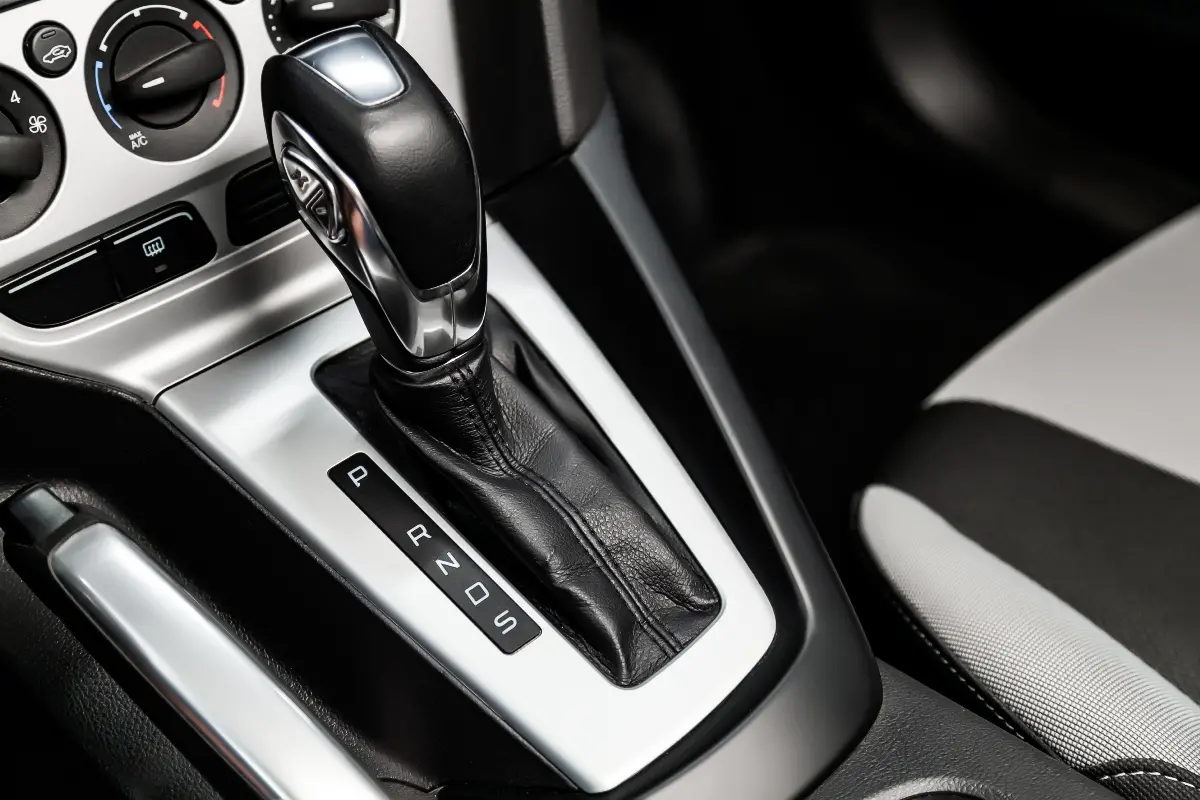
To start with the basics, a manual car, also known as a stick-shift, requires the driver to manually change gears using a clutch pedal and gear stick. This gives the driver more direct control over the vehicle and is often praised for the level of engagement it offers. On the other hand, an automatic car does the gear-shifting work for you, allowing you to focus on steering, acceleration, and braking.
One of the most prominent benefits of driving a manual car is the control it provides. Manual drivers can decide exactly when to shift gears, which can be especially useful for overtaking, driving on hills, or managing difficult terrain. This level of control can translate into a more dynamic and involved driving experience, which is why many purists and driving aficionados still swear by manual transmissions.
Fuel efficiency is another aspect often brought up in the discussion. Traditionally, manual cars were known to be more fuel-efficient than their automatic counterparts. However, advancements in technology have largely levelled the playing field. Modern automatic transmissions with more gears, dual-clutch systems, and continuously variable transmissions can be just as efficient, if not more so, than manual transmissions.
When it comes to cost, manual cars generally have a lower purchase price. This saving can be attractive to budget-conscious beginners. Moreover, the maintenance and repair costs for manual transmissions can be less expensive, given their simpler design and the greater availability of affordable parts.
That said, the learning curve for driving a manual is steeper than for an automatic. Beginners must learn the art of clutch control and how to find the biting point—the precise moment when the clutch engages—which can be daunting at first. Stalling and jerky rides are common experiences for novices. However, with practice, shifting becomes second nature and can even become a joy for those who appreciate mechanical precision and the traditional art of driving.
In contrast, automatic cars are generally more user-friendly, particularly in urban settings. In heavy traffic, not having to constantly operate the clutch and shift gears can reduce driver fatigue and make for a more relaxed driving experience. For this reason, automatics have become increasingly popular, and in some countries, they dominate the market.
Safety is another factor where automatics have an advantage for beginners. Since the car handles the gear changes, it's easier for drivers to maintain their focus on the road and surroundings. This can be particularly beneficial for less experienced drivers who are still acquainting themselves with the nuances of road safety.
Modern automatics have also introduced features like paddle shifters, allowing drivers a semblance of manual control when desired. This can be an enticing compromise for those who occasionally want to engage more directly with their driving but don't want the demands of a full manual transmission.
Technology has further blurred the lines between automatic and manual cars. Some automatic transmissions are now so advanced that they outperform manuals in terms of acceleration and performance. For instance, many sports cars and high-performance vehicles include an automatic option that can shift faster than any human ever could with a manual gearbox.
When choosing between an automatic and a manual gearbox, it's important to consider the terrain you'll be driving on. In hilly areas, manual cars give you the ability to downshift for extra power when ascending and to use engine braking while descending. Although most automatics can be manually shifted to lower gears, some drivers prefer the granularity of control that a manual gearbox offers.
Insurance costs can also differ between automatic and manual cars. Generally, insurance premiums for manual vehicles tend to be slightly cheaper. However, this can vary depending on the country, the driver's experience level, and the specific car model.
Ultimately, the decision between an automatic and manual car comes down to personal preference and lifestyle needs. If you're focused on ease of use, comfort in traffic, and a preference for newer technological enhancements, an automatic might be the best choice. If you're looking to be engaged with every aspect of driving, appreciate a machine's mechanical elements, or are looking to stretch your budget further, then a manual could be the way to go.
Whether you opt for the technical finesse of a manual gearbox or the convenience of an automatic, ensure you take the time to understand your vehicle. A well-informed driver is, after all, a better driver. Happy driving!