


Creating a harmonious and functional space is a mix of art and psychology – each decision impacting the next, and minor errors can cascade into a less-than-perfect home environment. Many enthusiasts jump into interior design eagerly but fall prey to common mistakes that can undermine the aesthetics and functionality of their living spaces. Here's a dive into the design faux pas to steer clear of and tips on how to avoid them.
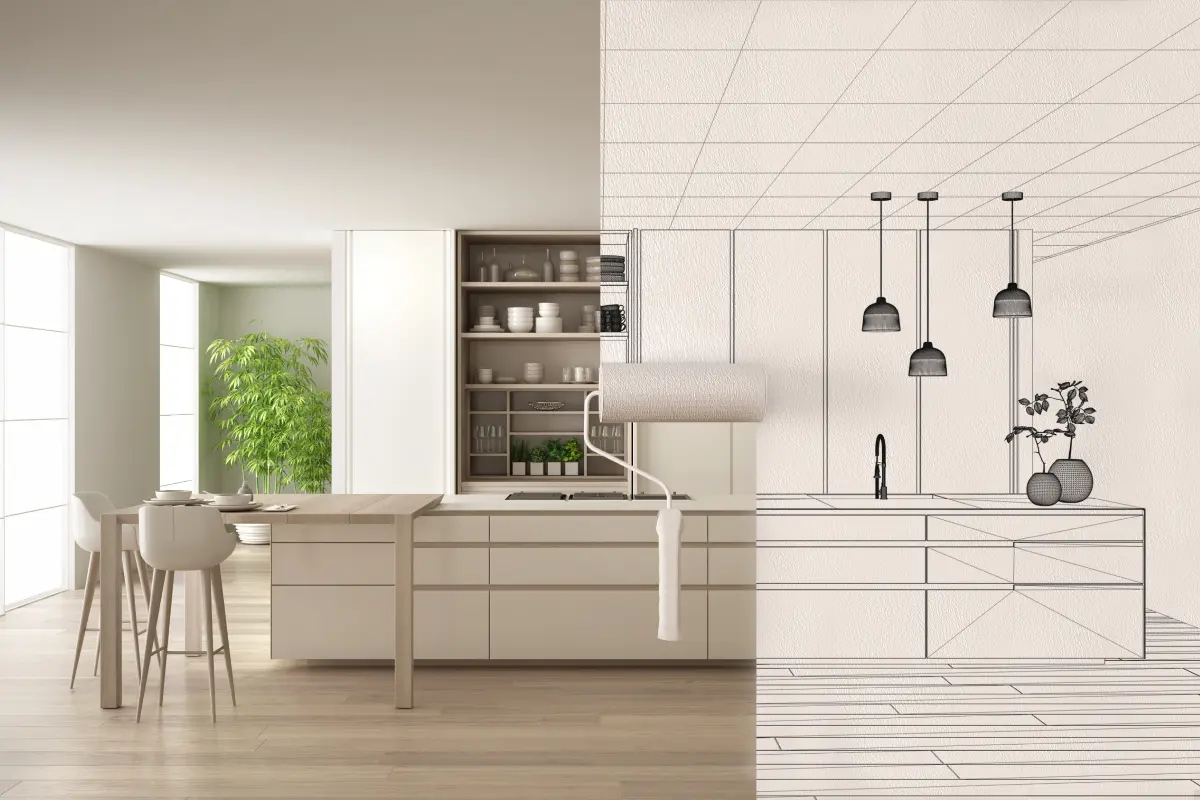
One of the cardinal sins in interior design is the lack of a cohesive plan. Embarking on your design journey without a clear vision can result in a disjointed and confusing space. To avoid this, start with a mood board. It allows you to visualize the combination of different elements and ensures that all your selections – from paint colors to furniture pieces – work harmoniously together.
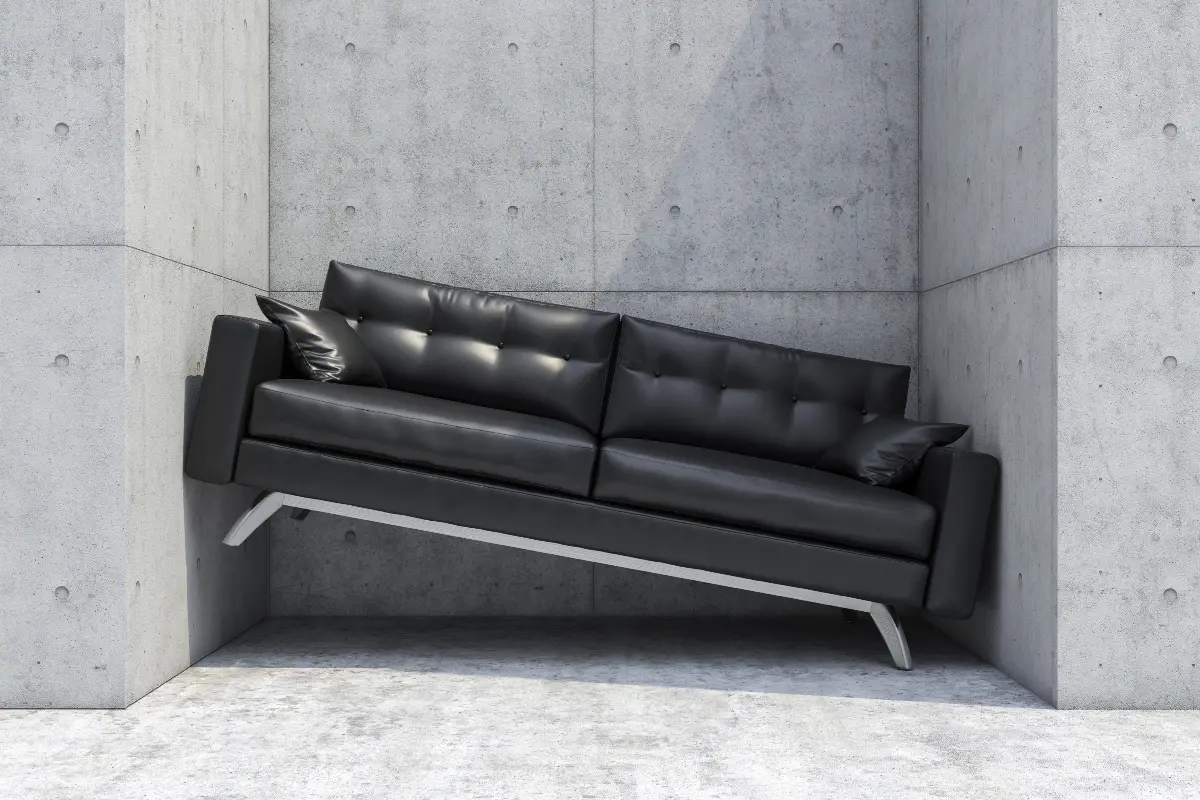
Another frequent oversight is neglecting scale and proportion. Over- or under-sized furniture can throw off the entire balance of a room. It's easy to fall in love with a statement sofa or an antique cabinet, but always measure your space before committing to any large purchases. Use tape to outline potential furniture placement on your floor to envision how it will fit within the overall scheme.
Succumbing to trends is a temptation that many find irresistible. However, faddish decor can quickly become outdated. To create a timeless interior, select classic pieces that can adapt to changes in style, and incorporate trends in smaller doses—think accessories like cushions, throws, or artwork that can be easily switched out when a trend fades.
Lighting is the unsung hero of interior design, yet many overlook its potential. Relying solely on overhead fixtures leads to harsh or inadequate illumination. It is vital to layer your lighting with a mix of ambient, task, and accent sources to produce a flattering and versatile atmosphere. Additionally, consider the color temperature of your bulbs; lighting that's too cool can feel sterile, while too warm may seem murky.
Color palettes are deeply personal choices but using too many colors or the wrong combinations can create visual chaos. To maintain a fluid design, choose one or two dominant colors and complement them with neutrals. If you love vibrant hues, use them sparingly as accents to inject personality without overwhelming the eyes.
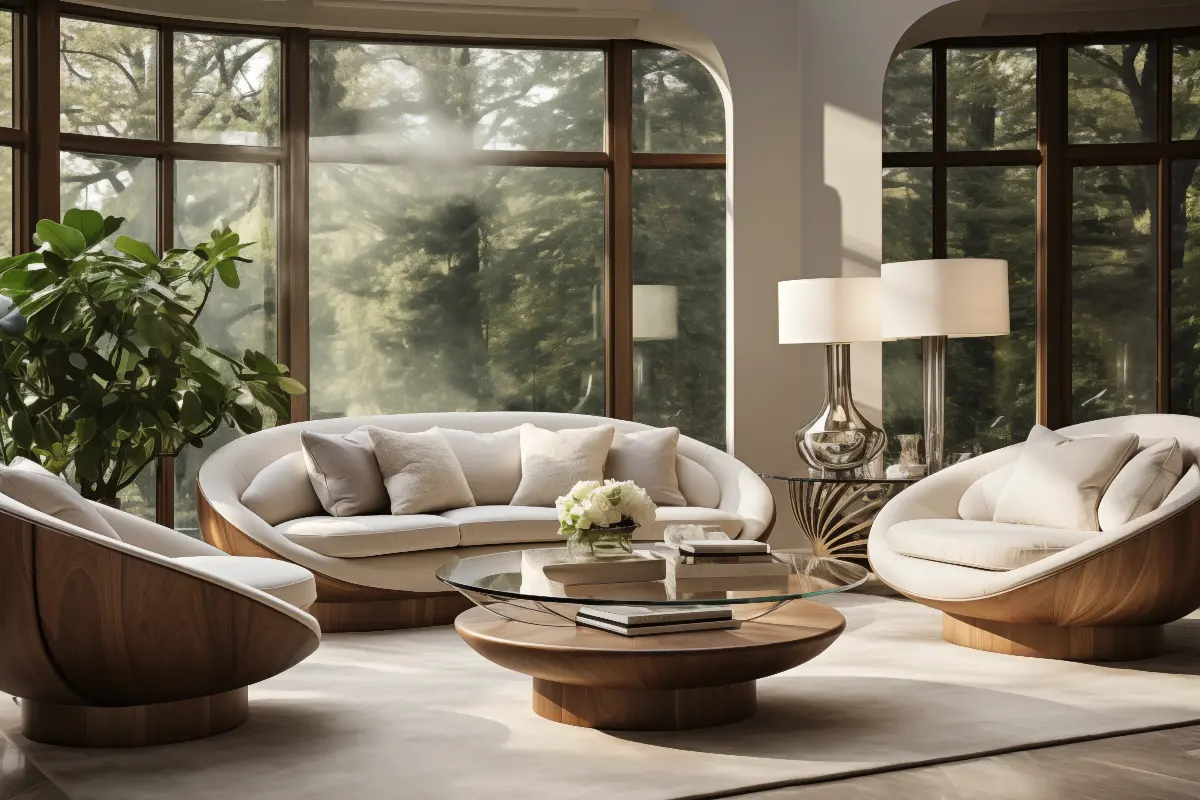
In contrast, playing it too safe with color can lead to a bland and uninspiring space. Infuse interest with textures and patterns if you prefer a neutral palette. Mixing materials such as wood, metal, glass, and textiles can create depth and character in a room.
Furniture placement is akin to a dance where each piece must be in tune with the other. Pushing all furniture against the walls in an attempt to make a room feel larger is a common error; this can actually make a room feel disconnected. Instead, create intimate settings by floating furniture away from walls when possible. This setup fostops traffic flow and encourages social interaction.
Artwork adds life to any space, but hanging it incorrectly can have the opposite effect. Art hung too high is a prevalent mistake that can make a room feel disjointed. Art should be at eye level, with the center of the piece approximately 57 to 60 inches from the floor, aligning with the average human eye height. In dining rooms or sitting areas, this might be slightly lower to relate to seated eye level.
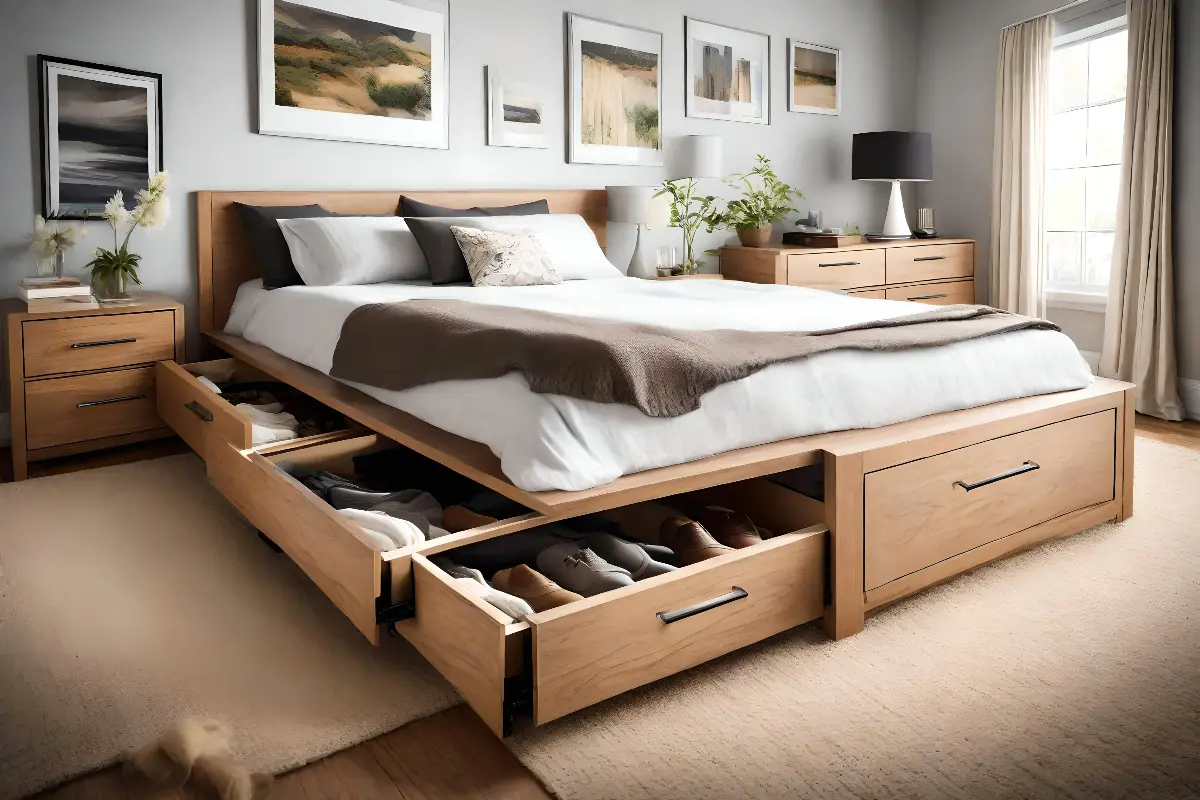
Ignoring storage needs can lead to cluttered and disorganized spaces. Understand your storage requirements and incorporate solutions that are both functional and beautiful. Furniture with built-in storage, attractive shelting units, and decorative baskets can keep your space tidy without compromising style.
Finally, the finish line mistake: rushing the design process. It's exciting to see a space come together, but hastily making decisions or purchasing all your items from one store can strip your home of its uniqueness. Take your time to find pieces that speak to you, mix new with vintage, and don't be afraid to leave a space incomplete until you find the right item.
Avoiding these pitfalls in interior design doesn't require a professional designer, just a mindful approach and perhaps a bit of patience. Whether sprucing up a single room or revamping an entire house, sidestepping these common errors will help you achieve a space that is both aesthetically pleasing and deeply personal. With careful planning and a restrained hand, your home can be transformed into a refuge that reflects your taste and supports your lifestyle, free from the blunders that trap the unwary designer.