


Malaysia stands as a beacon of architectural diversity, proudly displaying a tapestry of design that weaves together cultural heritage and futuristic vision. As we venture on a tour of this Southeast Asian nation's iconic landmarks, we find ourselves immersed in a rich history and a vibrant vision for the future.
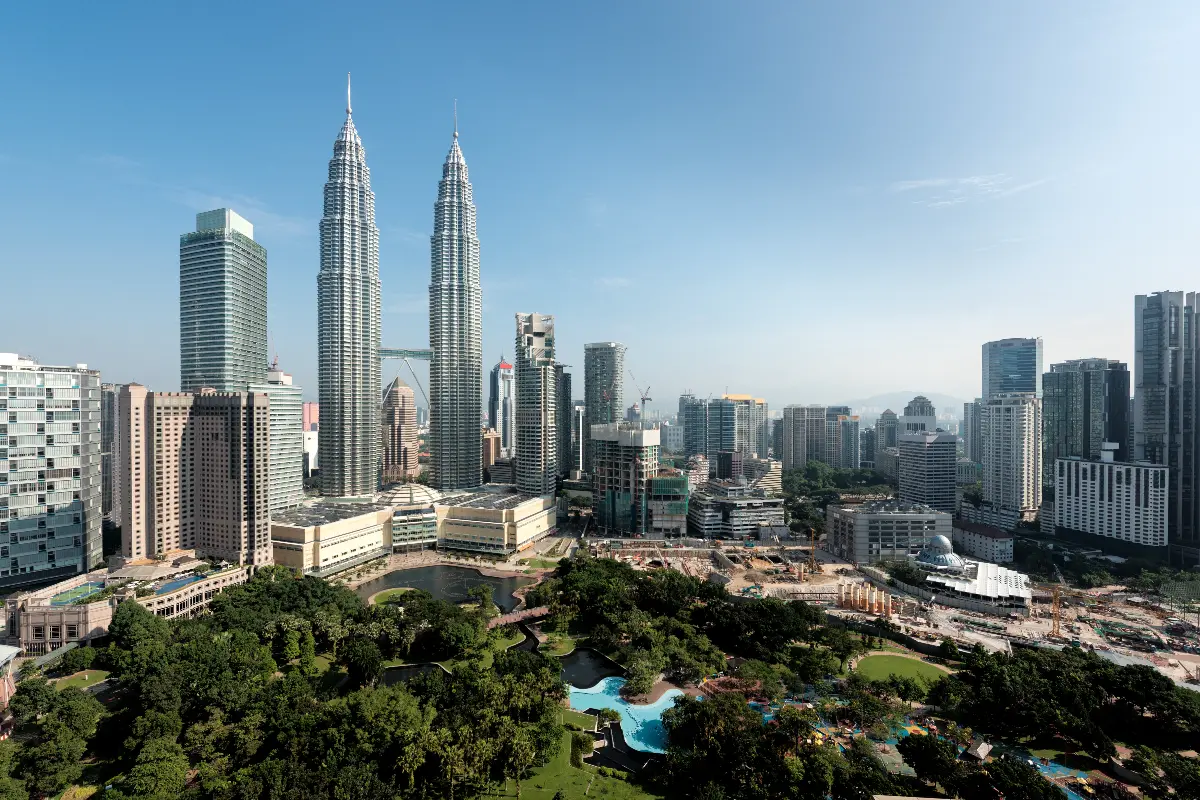
At the heart of Malaysia's capital, Kuala Lumpur, the Petronas Twin Towers rise skyward, a striking tribute to contemporary design and engineering. Once heralded as the tallest buildings in the world, these 88-story structures remain the tallest twin towers to date. The towers feature a steel and glass façade, reflecting Islamic art motifs, a signature touch that underlines Malaysia's cultural roots. Visitors can not only marvel at the towers from the ground but can also venture to the Skybridge that links the two structures, offering breathtaking views of the cityscape.
Moving from the heights of modern sophistication to the charm of historic preservation, The Cheong Fatt Tze Mansion in Penang, often referred to as 'The Blue Mansion', is a testament to Malaysia's architectural eclecticism. This lavish residence, with its indigo-blue outer walls, melds Eastern and Western design elements and has been meticulously restored to its original glory, showcasing the lifestyle of a wealthy 19th-century merchant.
Another Penang gem, the Kek Lok Si Temple, stands as one of the largest Buddhist temples in Southeast Asia. Its seven-tiered Pagoda of Rama VI with 10,000 alabaster and bronze statues of Buddha, and the towering statue of Kuan Yin, the Goddess of Mercy, provide a serene backdrop to the bustling streets of Penang. The temple is a symbol of harmony, blending elements from Mahayana and Theravada Buddhism, reflecting the country's religious and cultural diversity.

Venturing into the state of Perak, the Ubudiah Mosque's golden domes and minarets capture the eye, showcasing the Indo-Saracenic architecture prevalent in the early 20th century. Commissioned by the 28th Sultan of Perak, it stands proudly as one of the most beautiful mosques in Malaysia, inviting both worshippers and visitors alike to admire its splendor.
Another architectural wonder that stands as a symbol of coexistence is the Thean Hou Temple in Kuala Lumpur. One of the largest Chinese temples in the region, Thean Hou integrates elements from Buddhism, Taoism, and Confucianism and is dedicated to the sea goddess Mazu. Its ornate structure with multiple tiers, dragon-inspired columns, and intricate carvings is a grand sight against the city skyline.
For a journey back in time, the A'Famosa fortress in the historical city of Malacca offers a glimpse into Malaysia’s colonial past. What remains is the Portuguese-built Porta de Santiago, a small gatehouse that is the testament to the once-mighty fortress. As one of the oldest surviving European architectural remains in Southeast Asia, it stands alongside the St. Paul's Hill, where visitors can also find the 16th-century St. Paul's Church ruins, adding to Malacca's World Heritage status.
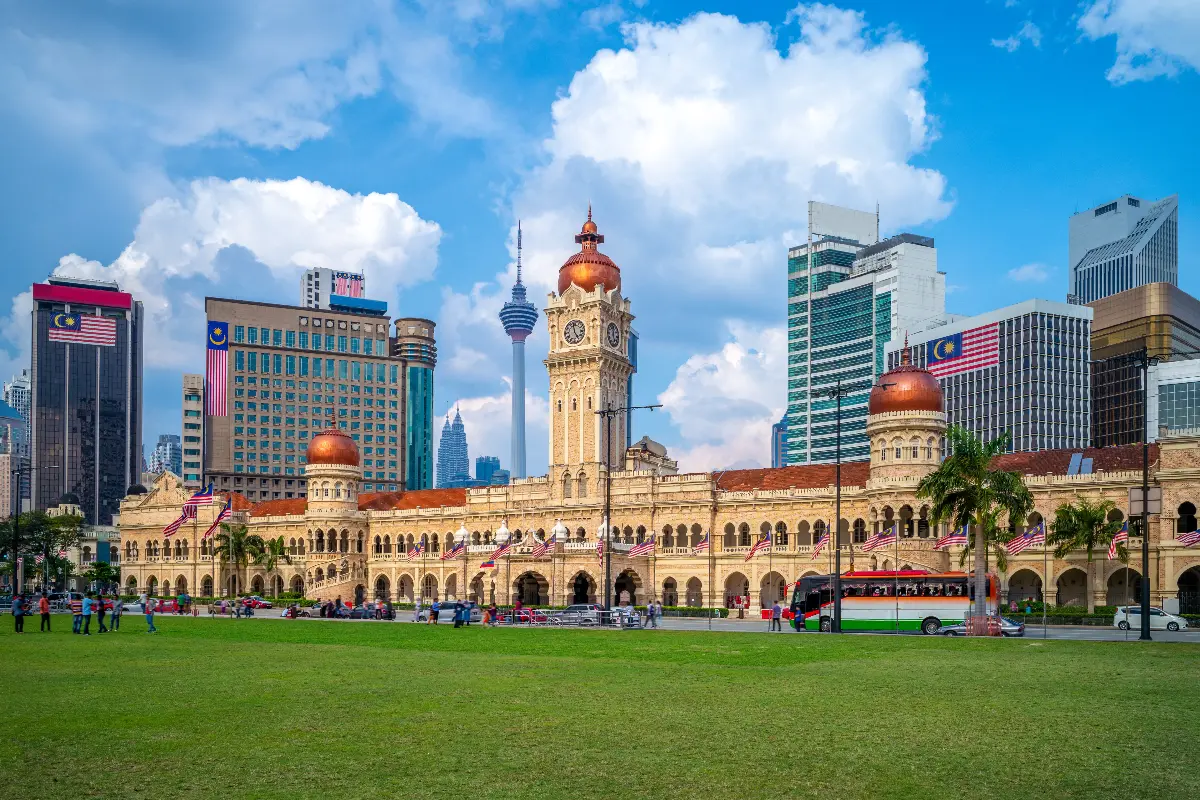
In the heart of Kuala Lumpur, the Sultan Abdul Samad Building is a Moorish-style landmark, which was once the colonial British administration offices and the superior courts. The building is now home to the Ministry of Information, Communications, and Culture of Malaysia. Its copper-domed clock tower has been a silent witness to Malaysia's tumultuous history, and it stands as a favorite backdrop for the city's Merdeka Square.
Architecture in Malaysia is not solely a nod to the past; it confidently strides towards the future. The Putrajaya, Malaysia's federal administrative center, is filled with grand structures that merge traditional designs with contemporary style. The Putra Mosque, clad in rose-tinted granite, and the modern yet elegant Putrajaya Convention Centre, also called the Putrajaya International Convention Centre, demonstrate how Malaysia is building its future on the foundation of its multi-layered heritage.
Lastly, for an immersive experience in living architecture, the Sarawak Cultural Village offers an open-air museum that celebrates the diverse lifestyles of the state's tribal groups. The village consists of authentic traditional buildings and offers visitors a chance to engage with the local customs and traditions, providing a hands-on learning experience about the country's rich indigenous heritage.
Whether you're standing in the shadow of the colossal Petronas Towers or walking the tranquil halls of Kek Lok Si, Malaysia presents a confluence of civilizations, seen through the variegated tapestry of its architecture. This fascinating fusion of traditional, colonial, and modern design bears witness not just to the country's dynamic history but also to its progressive outlook, forging an enduring architectural identity that's as eclectic as the people who inhabit this vibrant land.