


Encouraging creativity in children is a journey that can start at home with something as simple and joyful as drawing. As a parent, you know the immense value of providing your child with the tools and environment to express themselves artistically. With a bit of thoughtful preparation, you can transform a corner of your home into a nurturing space for your budding artist.
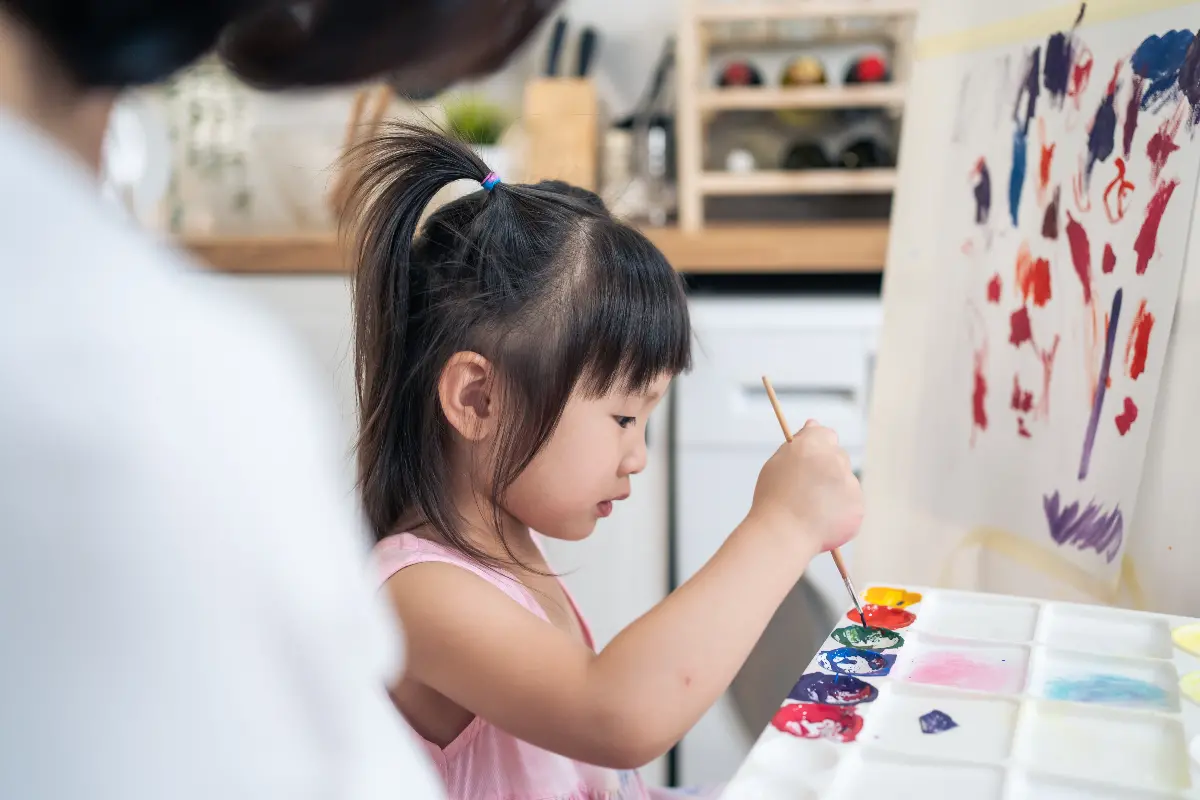
First and foremost, consider the physical space where your child will be drawing. It doesn't have to be large, but it should be comfortable, well-lit, and free of distractions. A small table and chair adjusted to their size will give them a sense of ownership and importance. Natural light is ideal, but if that's not possible in your home in Malaysia, ensure the area is lit with a bright, flicker-free lamp to avoid eye strain.
Moving on to drawing materials, you have a plethora of choices, but it's crucial to pick age-appropriate items. For younger children, washable crayons and thick markers are a must—they're easier for little hands to grip and won't result in permanent decoration on your walls if they wander off the paper. As children grow older and refine their motor skills, introduce them to colored pencils, oil pastels, and even watercolors, which allow for a diverse range of artistic expression.
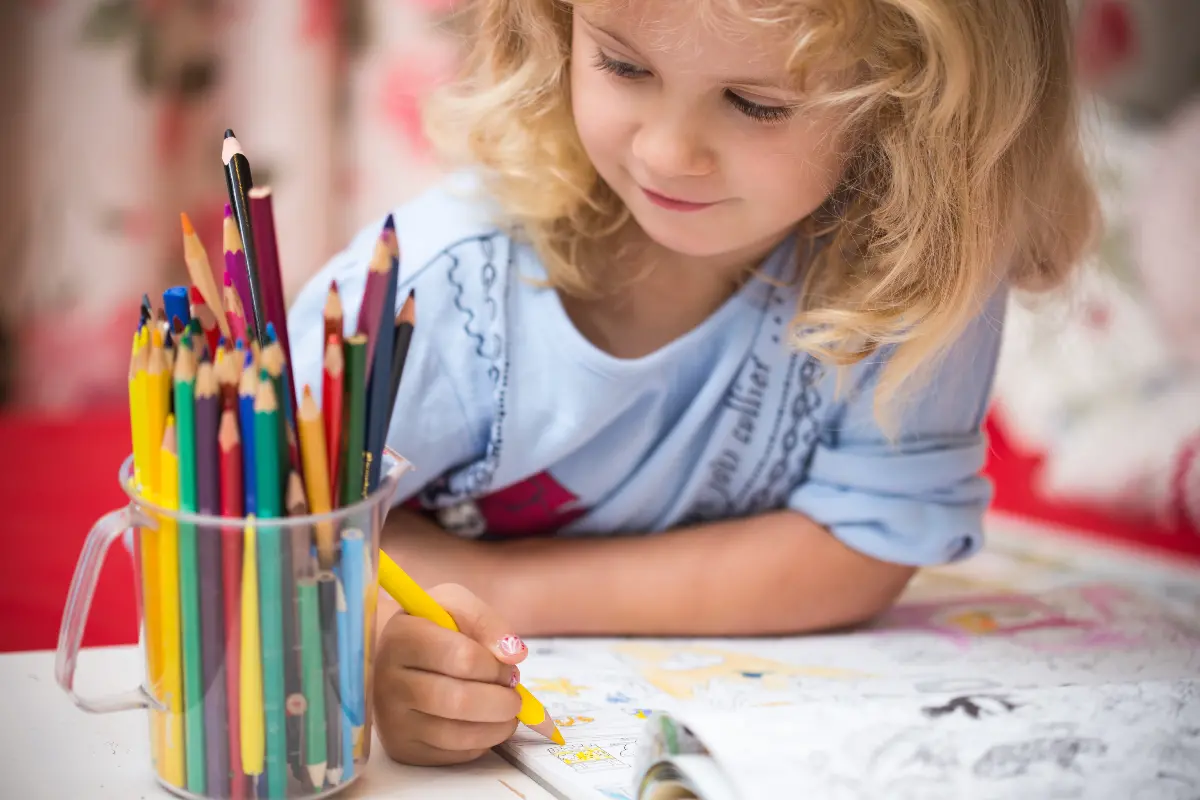
The type of paper you choose also holds significant importance. While regular printer paper is a cost-effective option for everyday doodles, investing in thicker drawing pads can be a game-changer. They don't just provide a better texture for children to work on; they also help in preserving the artwork for the future. Encourage your child to date their pieces and write their names on them—it's not just a way to track progress but also instills pride in their work.
One critical aspect often overlooked is setting up an organizational system for your child's drawing supplies. Plastic bins or drawers with compartments allow children to take charge of their own tools and learn responsibility. Plus, it makes clean-up considerably less daunting for both parent and child. Just make sure that the storage is within easy reach for them.
As they delve into their drawing sessions, the principles of early art education suggest that it's beneficial for children to be exposed to a variety of colors, shapes, and forms. Incorporate books with illustrations, photographs of wildlife, plants, or even simple objects around the house to give them a broad spectrum of subjects to inspire their work. The vibrant and diverse culture of Malaysia, with its rich tapestry of festivities, traditional costumes, and natural landscapes, offers a wealth of material for children to explore and interpret through their drawings.
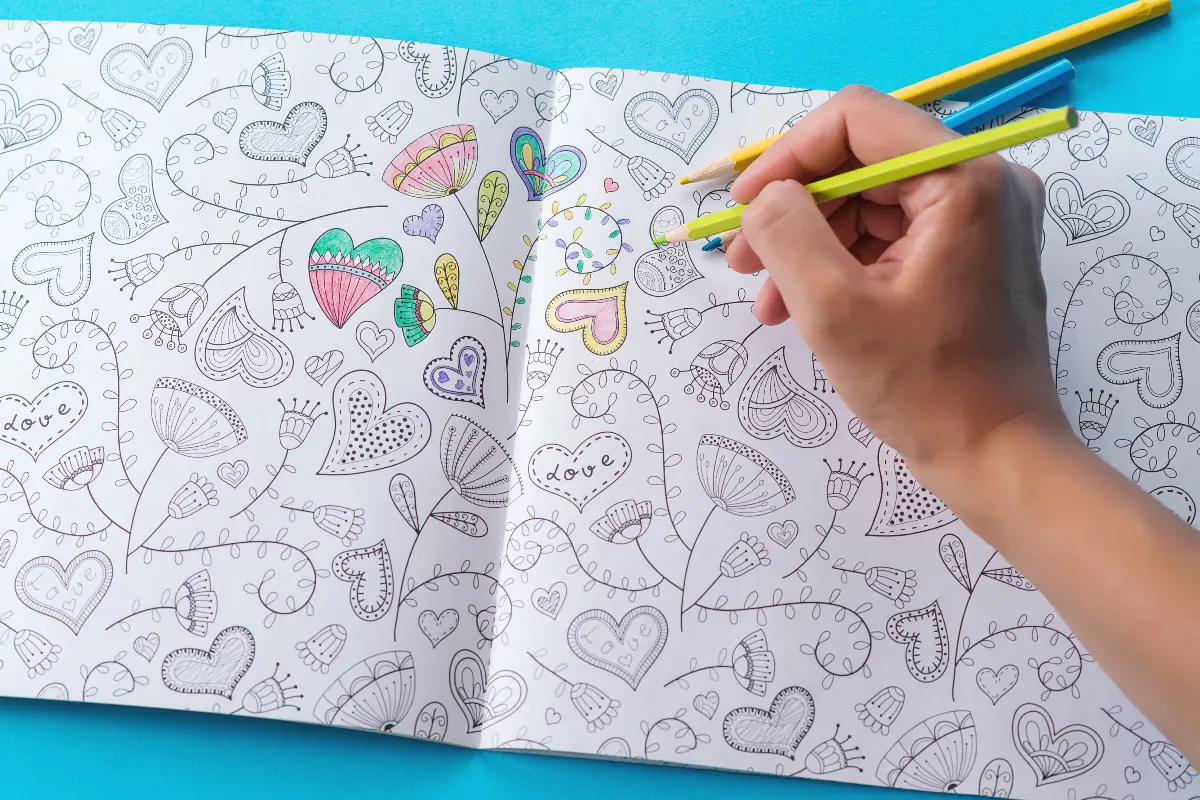
While your child is drawing, resist the urge to direct their work too much. Instead, allow their imagination to steer the ship. Offer gentle suggestions or pose open-ended questions like, "Can you tell me more about your drawing?" This not only nurtures their creativity but also boosts their narrative skills.
Some days, your child might want to step beyond free drawing and learn more structured skills. In these instances, it might be helpful to have step-by-step drawing books or access to online tutorials that cater to children. They can be great tools for learning how to create more realistic images or understand perspectives, which are critical skills as they grow.
Let's not forget that drawing can sometimes get messy, especially with younger children. Instead of stifling their creativity for the fear of mess, prepare for it. Non-toxic, washable materials are your best friends, along with smocks or old t-shirts to protect clothing and plastic sheets or newspapers to safeguard your floors. Encourage and practice cleanup routines post-drawing to instill a sense of responsibility.
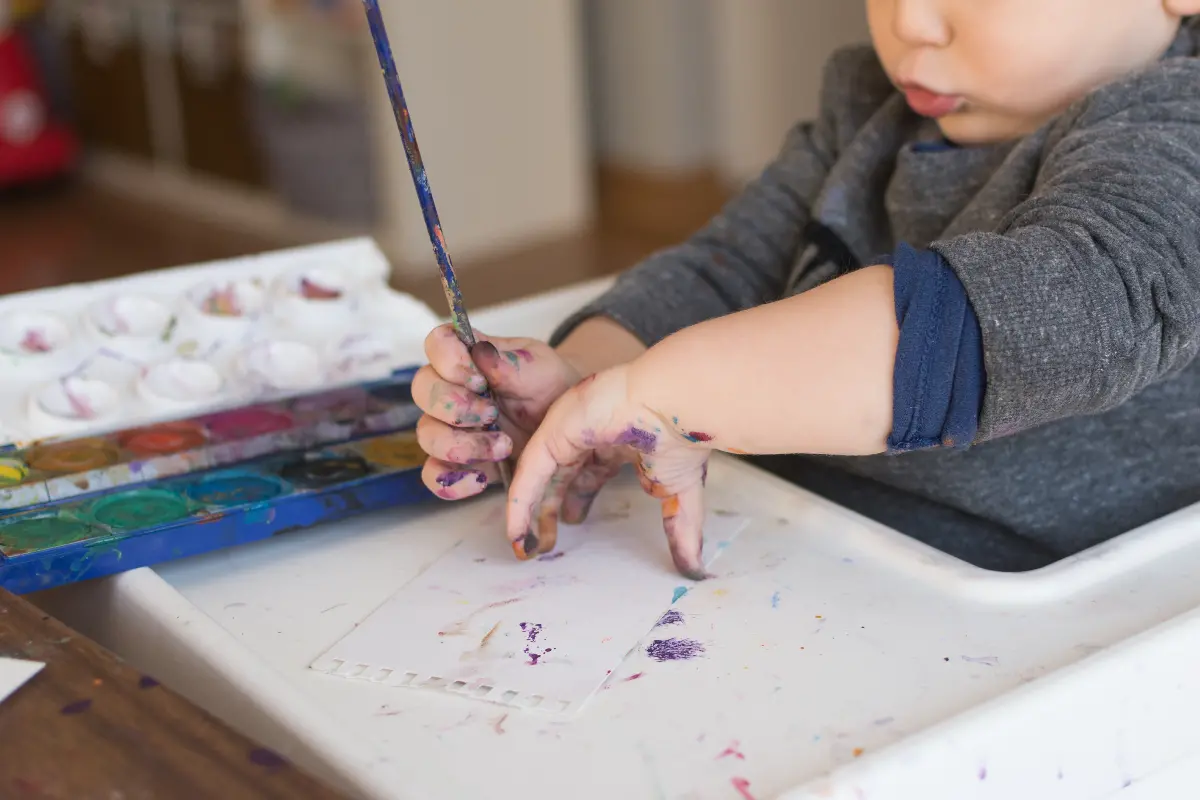
Moreover, beyond providing the physical tools, do not underestimate the power of positive reinforcement. Celebrate their effort and the process, rather than focusing strictly on the outcome of their artistic exploration. Displaying their artwork around the house, or even framing particularly special pieces, can be a tremendous confidence booster.
In conclusion, setting up a home drawing session for your child involves more than just buying the right tools. It encompasses creating an inspiring environment, choosing materials conducive to their developmental stage, incorporating organizational habits, embracing the mess, and celebrating the effort. As you equip your child with pencils and paper, you're also inspiring a creative spirit that can last a lifetime. The memories and skills they forge now, with your support, will not only enhance their artistic abilities but will also contribute to the development of their cognitive, motor, and emotional skills. So, let the colors flow and your child's imagination soar in the wonderful world of drawing.