


In the frantic pace of modern life, the serenity found within Zen gardens offers a peaceful interlude, a chance to pause, reflect, and awaken to the subtle beauties that unfold in worlds crafted from stone, moss, and sand. These gardens are living artworks, deeply woven into the cultural fabric of Japan, yet their influence and appeal stretch far and wide, touching souls across the globe.
Stepping into a Zen garden is akin to entering a new realm, where each element is laden with meaning and the act of creation and maintenance becomes a form of meditation. The garden's design principles, rooted in Zen Buddhism, stress minimalism, asymmetry, simplicity, and the profound beauty of imperfection, or wabi-sabi.
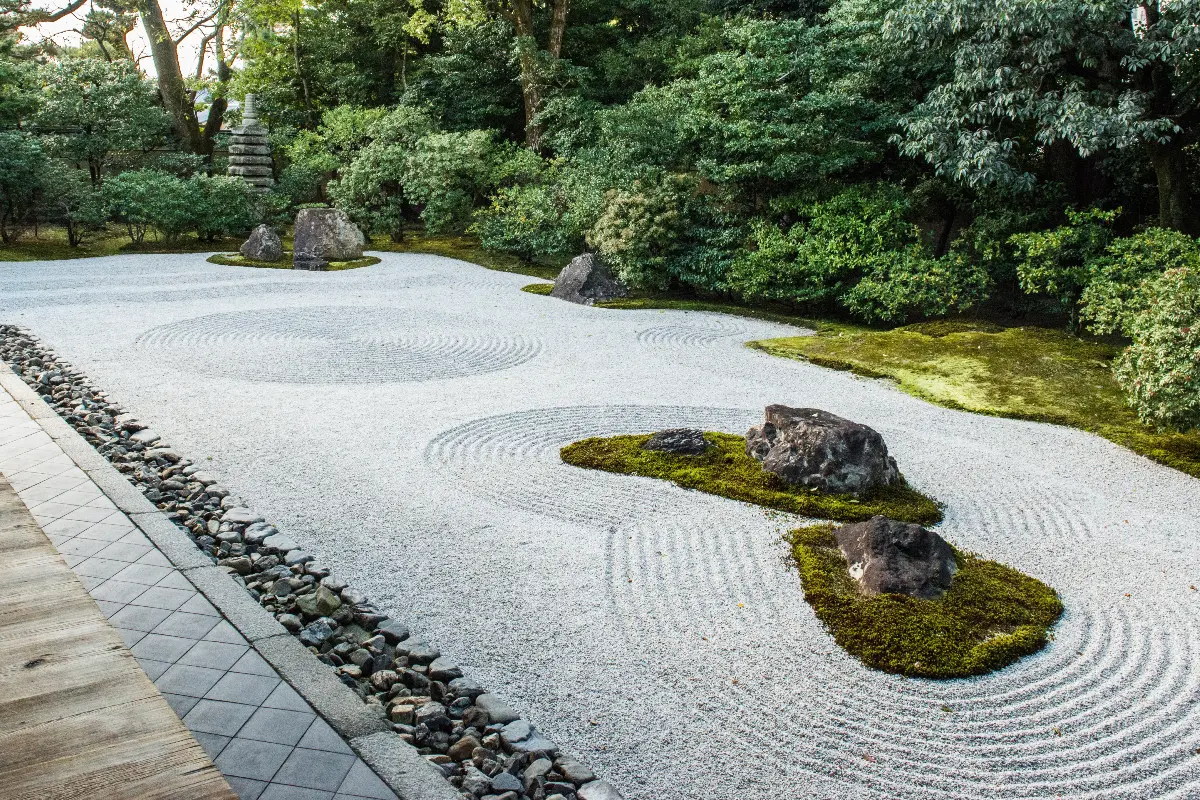
Stone, in its many forms, acts as the structural backbone of a Zen garden. Often used to represent immovable and everlasting qualities, like mountains or islands, these stones are carefully picked for their shape, color, and texture. They are meticulously placed within the garden to balance the composition and symbolize various natural elements. For instance, tall, upright stones may mimic trees, while flat, horizontal stones often suggest water.
The careful arrangement of rocks also aims to reflect inner tranquility; their positions can be chosen to encourage contemplation about the relationship between nature and human life. The stones are not merely decorative but serve as the anchor points that give the garden its soul.
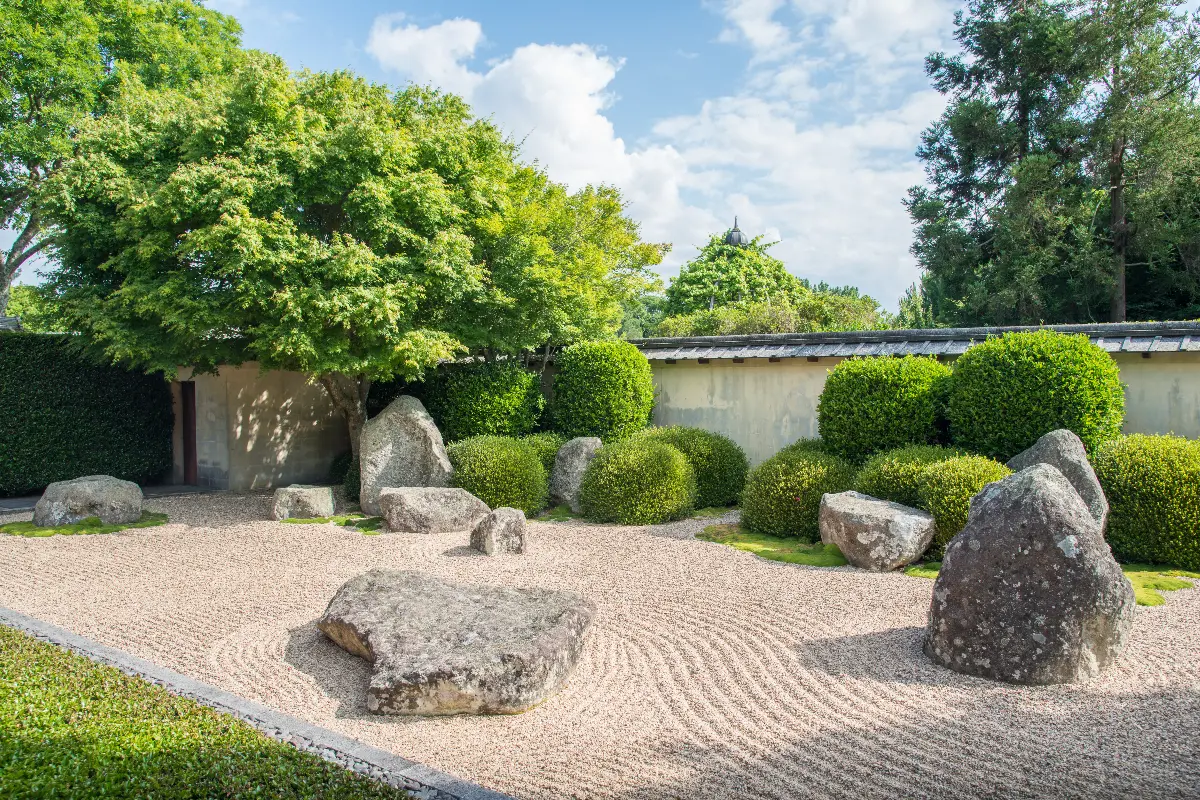
Contrasting the solidity of stone is the softness of moss. It carpets the garden in lush green, creating a velvety texture that pleases the eye and the touch. Moss is not only prized for its aesthetic qualities but also for its ability to survive and thrive with minimal upkeep, subtly changing with the seasons yet remaining a constant presence. Reflecting the passage of time and the endurance of nature, moss adds a layer of serene beauty and highlights the ephemeral quality of the garden.
A Zen garden wouldn't be complete without the quintessential sea of sand or gravel, raked meticulously to represent ripples in water. This serves as a blank canvas on which the gardener creates and re-creates patterns that resonate with the transitory nature of life. The act of raking is a disciplined ritual; it requires concentration and mindfulness, with each stroke of the rake contributing to the garden's tranquility.
Zen gardens often defy the traditional notion of a garden; they are devoid of flamboyant flowers and diverse plant life. Instead, they seek to distill nature into its barest elements, provoking a deeper understanding of the natural world through abstraction. Therein lies its artistic beauty, as it invites the observer to fill the voids with their imagination and interpretations, making the experience deeply personal.
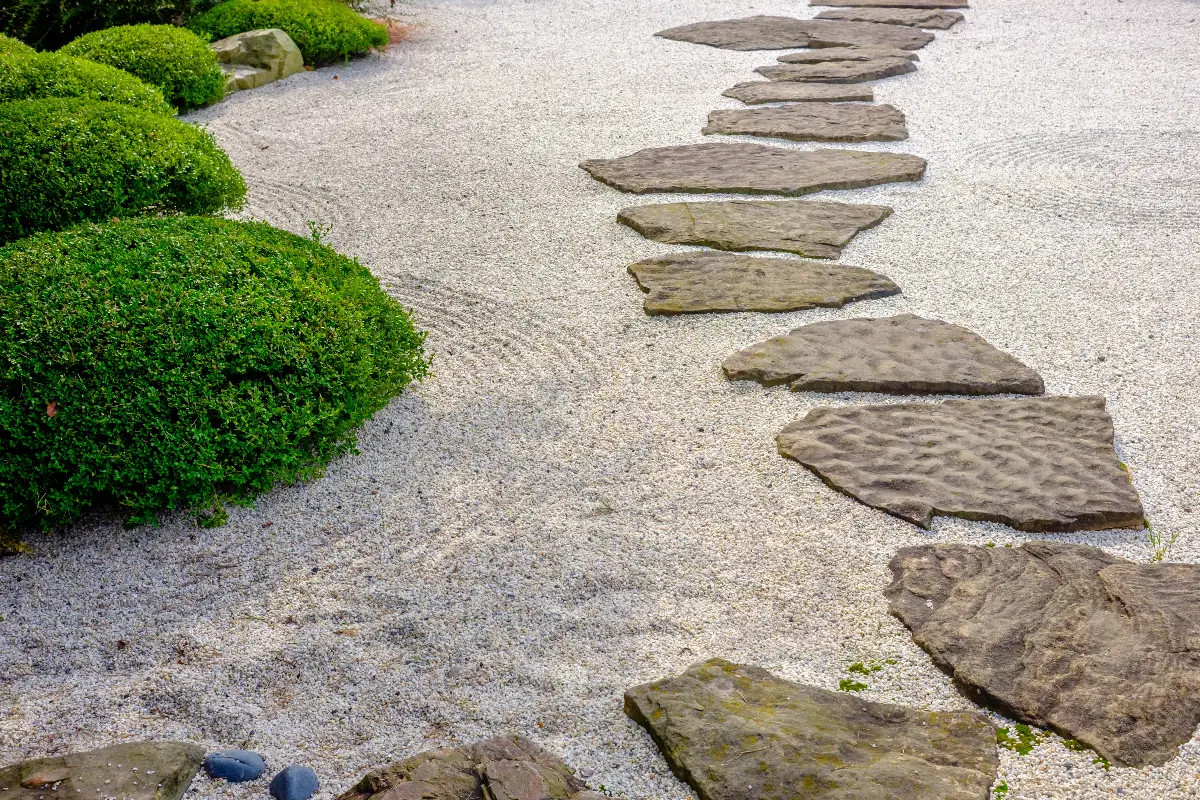
Beyond a spiritual and aesthetic pursuit, Zen gardening is a science in understanding the interplay of light and shadow. The shifting sun casts varying silhouettes, transforming the garden's appearance and mood throughout the day and seasons. This dynamic dance of light further enhances the garden's reflective quality, allowing for fresh perspectives with each visit.
As these gardens are designed to be seen from a single viewpoint or along a set path, the journey through them is as much about the inward experience as it is about the outward spectacle. Each step along the path can symbolize a step taken in life, with the carefully curated views serving as moments of insight and enlightenment.
Even outside of Japan, the Zen garden's principles have permeated different cultures, influencing garden designs worldwide. This universality speaks to the intrinsic human desire for places that facilitate introspection and calm. In both private backyards and public spaces, enthusiasts have adopted and adapted the Zen garden's concepts to suit local climates, resources, and personal preferences.
The silent dialogue between human artistry and nature’s simplicity makes Zen gardens compelling. It stands as a testament to the enduring human instinct to shape our environment into mirrors of our innermost thoughts and to seek balance and harmony within our surroundings.
Though physically, Zen gardens are composed of stone, moss, and sand, spiritually and metaphorically, they are much more. They are landscapes of the heart and mind, where the minimal elements of nature come together to form a tableau of simplicity, elegance, and contemplation. As you wander through these gardens of tranquility, you are invited to let go of the superficial chatter of daily life and to listen to the more profound silence of the stones, the whisper of the moss, and the hushed tales told by patterns in the sand.