


J.K. Rowling's monumental work, the Harry Potter series, has captured the imaginations of readers and audiences around the globe for over two decades now. While many know the story of "The Boy Who Lived" inside out, there's a cauldron's worth of lesser-known facts that even the most ardent fans may not be aware of. Whether you belong to Gryffindor, Hufflepuff, Ravenclaw, or Slytherin, join me on this magical journey to uncover some of the most intriguing hidden facets of Harry Potter's wizarding world.
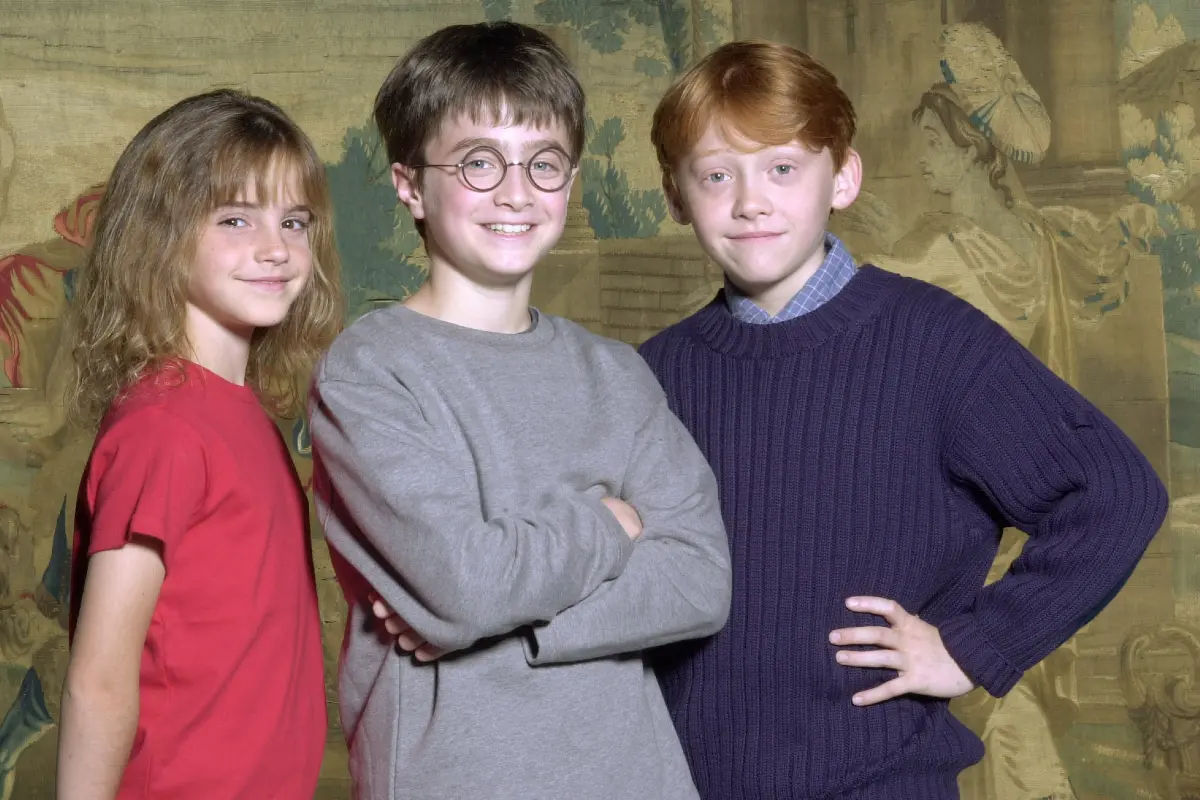
Before Harry ever waved his wand, J.K. Rowling imagined his story while delayed on a train journey from Manchester to London in 1990. From her imagination, an intricate universe was born. However, this universe's genesis was penned on a manual typewriter, and Rowling has revealed that she created detailed outlines of each chapter on different colored index cards, carefully orchestrating the complex narrative which we now know so well.

Rowling drew inspiration from her own life experiences when shaping the world of Hogwarts and its inhabitants. For instance, the character of Hermione is partially based on Rowling herself at a younger age – an intelligent, bookish girl who sometimes felt out of place. Moreover, the dementors, the terrifying creatures that feed on human happiness, were inspired by the author's battle with depression, embodying the all-consuming emptiness she felt during her toughest times.
Many readers are familiar with the fateful prophecy concerning Harry and Voldemort, but few know that it could have concerned Neville Longbottom instead. Both born at the end of July to parents who had thrice defied Voldemort, Harry and Neville were potential fulfillments of the prophecy. However, Voldemort, sealing his own doom, chose Harry, perceiving him to be the greater threat due to their shared half-blood status.
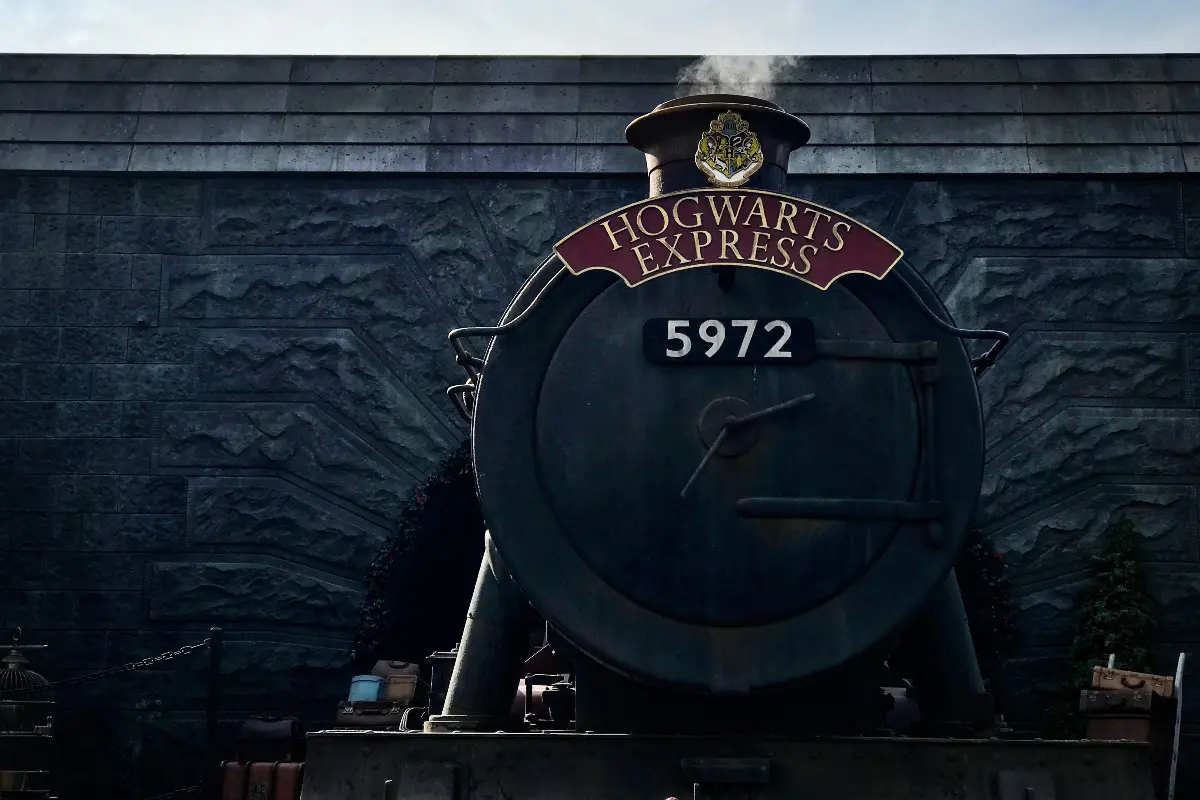
The wizarding world has its own cultural practices and holidays, yet, one beloved real-world figure makes an appearance in the books: Sir Nicholas de Mimsy-Porpington, better known as Nearly Headless Nick, was executed on Halloween in 1492, which is why Hogwarts celebrates his death day anniversary with a ghostly party.
Speaking of ghosts, Moaning Myrtle, with her haunting bathroom presence, carries a connection to the real world. Rowling has stated that Myrtle was inspired by the common experience of girls crying in the school toilets and the intense emotions of her school years. Her full name, Myrtle Elizabeth Warren, was revealed by Rowling after the books' publication; however, she joked Myrtle was not named after the U.S. politician Elizabeth Warren.
The Weasleys could have been more numerous. Rowling originally planned for a Weasley cousin, named Mafalda, a Slytherin, to play a significant role in the plot of "Harry Potter and the Goblet of Fire." Mafalda was intended to be the daughter of the second brother of Mr. Weasley, but Rowling found her unnecessary as the story developed and decided her role in passing information to Harry could be better served by Rita Skeeter.

The languages of the magical creatures within the series were meticulously crafted by Rowling. Parseltongue, the language of serpents, is not just hisses to readers but contains actual syntax and structure in the books. Similarly, Gobbledegook (the language of goblins) and Mermish (spoken by merpeople) were invented languages designed for the creatures of the wizarding world.
The beloved sport of Quidditch was invented following a brief argument with her boyfriend at the time. Rowling sketched the playing field on a manila envelope, the first of Rowling's many detailed sketches that would accompany her writing process. These sketches included elaborate blueprints of Hogwarts and intricate family trees which guided the backstories and lineage of its numerous characters.
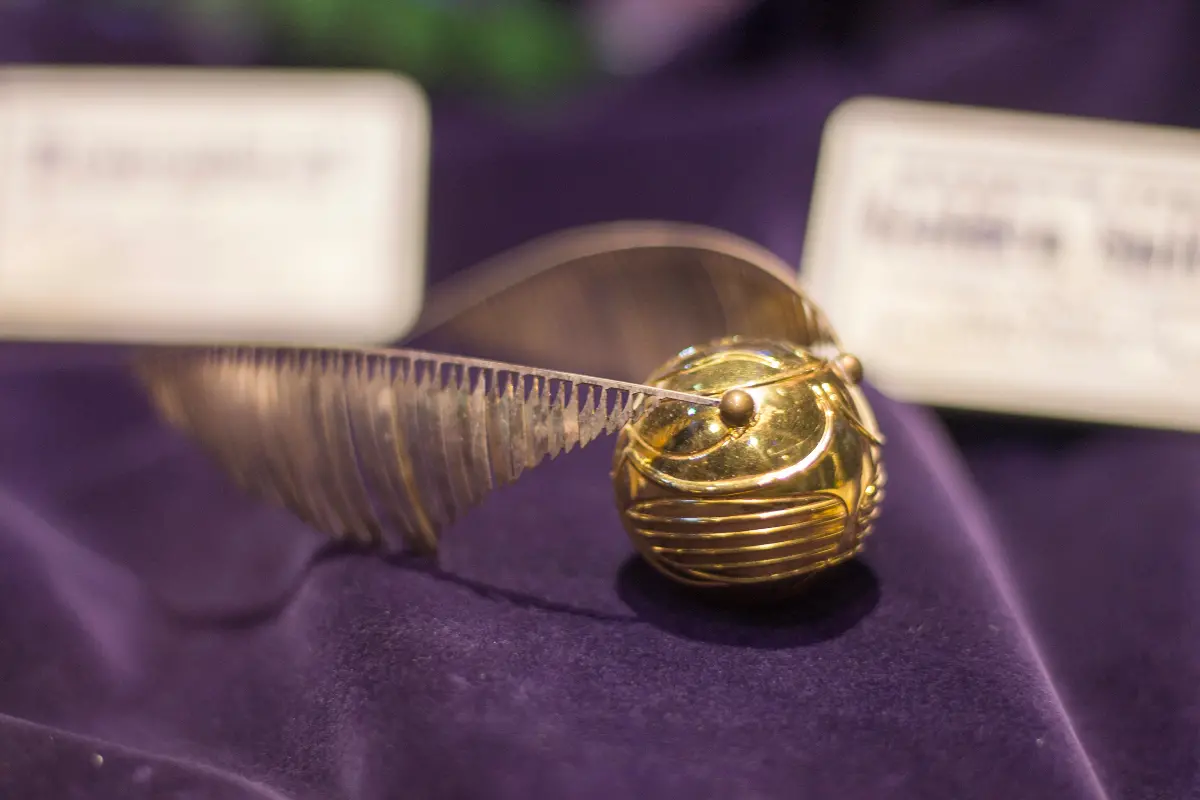
The final duel between Harry and Voldemort is rich with symbolic meaning; the location of this battle, the Great Hall, was deliberately chosen by Rowling. She envisioned it as the "heart of Hogwarts," the place where Harry first joined the wizarding world and where he should be in his defining moment of triumph. It's also a reversal of their initial encounter at Godric's Hollow; only at Hogwarts, Harry finally has the support of his entire community.
Lastly, an interesting piece of the book's cultural impact is the numerous translations it has undergone. "Harry Potter and the Philosopher's Stone" holds a Guinness World Record for being the most translated book in history. It's been translated into over 80 languages, including Latin and Ancient Greek, making it a modern text written in some of the oldest written languages.
In the spellbinding tapestry of Harry Potter, these facts are but a few threads that highlight the complexity and depth of Rowling's creation. While they may be lesser-known, they contribute to the rich history and love that fans have for the boy who lived and the magical world he inhabits. For the readers in Malaysia and worldwide, it's the details like these that keep the magic of Harry Potter alive, revealing that no matter how much we know, there's always more to discover in the wizarding world.