


In the world of photography, capturing the perfect shot is both an art and a science. Whether you're a budding photographer or someone looking to up your Instagram game, grasping a few essential tips can profoundly improve your photographic skills. Here are some practical suggestions that will help you snap pictures like a pro.
Firstly, understanding the rule of thirds is a game-changer. This composition principle involves dividing your frame into nine equal segments by two vertical and two horizontal intersecting lines, similar to a tic-tac-toe grid. Positioning the most important elements of your scene along these lines or at their intersections can make your photo more balanced and encourage viewers to interact with your image more naturally.
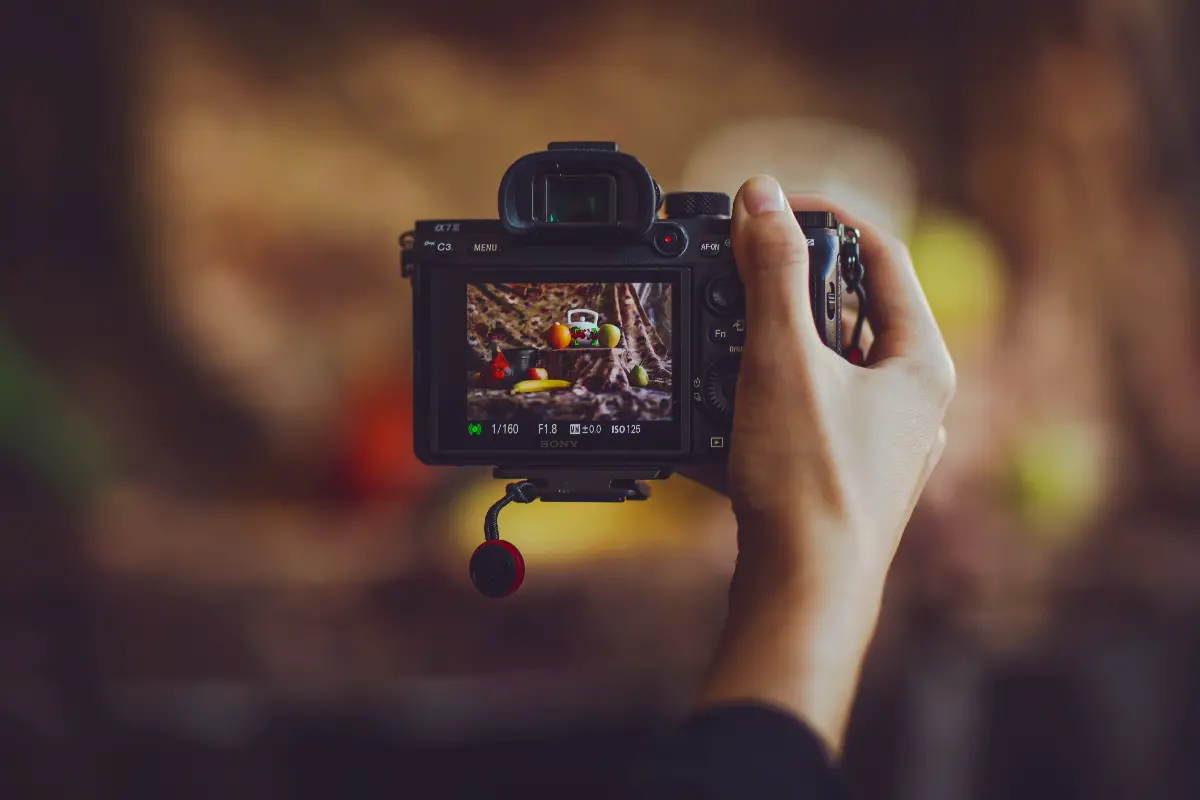
Lighting is another critical aspect of photography. The golden hour — that magical time just after sunrise or before sunset — offers a soft, warm natural light that can add a touch of magic to your photographs. If you're shooting indoors, try to use natural light where possible and avoid harsh overhead lights that can create unwanted shadows.
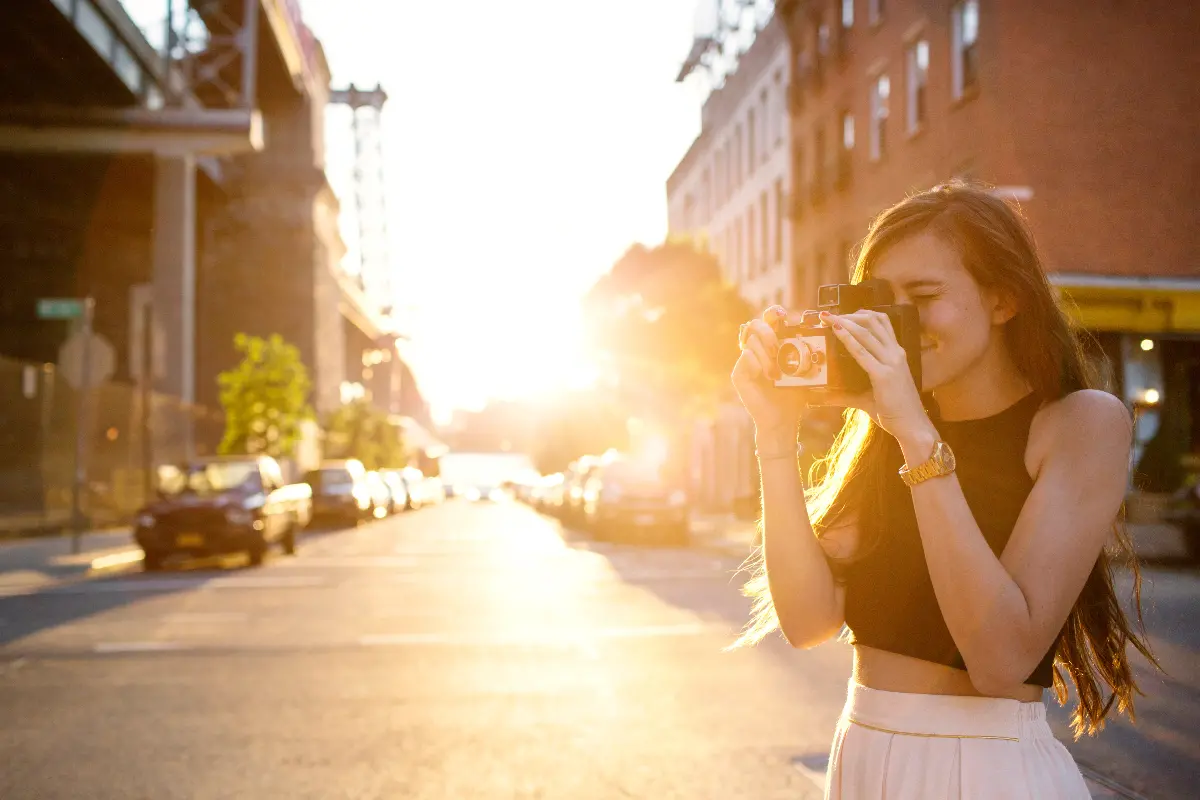
When it comes to subject focus, remember that sometimes less is more. Don’t clutter your scene with too many objects, as this can distract from your main subject. By simplifying the background or using a shallow depth of field, which blurs everything but your focus point, you can make your subject stand out.
Understanding your camera settings is also crucial. While many smartphones and cameras have excellent auto modes, learning to use manual settings like ISO, aperture, and shutter speed can give you much more control. A lower aperture provides a shallow depth of field, great for portraits, while a higher aperture ensures everything in your landscape shot stays in focus.
Shutter speed can freeze a fast-moving scene or blur it intentionally for artistic effect. Similarly, ISO controls your camera's sensitivity to light — a higher ISO is useful in darker conditions but can introduce grain or 'noise' into your photos.
Don't underestimate the power of a good edit. Photo editing software and apps can transform an average image into something spectacular. Tools like Lightroom, VSCO, and Snapseed offer a range of filters and adjustments to tweak everything from contrast to color saturation. But remember, the best edits enhance what's already there, rather than completely changing the image.

A tripod can be your best friend, especially for long-exposure shots where even the slightest hand movement can cause blur. You don't need a heavy, professional one — even a mini-tripod can make a huge difference. They're also great for group shots, self-portraits, and low-light conditions.
When it comes to gear, you might be tempted to think that you need the most expensive equipment to take professional-looking photos. That's not necessarily the case. Most important is understanding how to use what you have to its fullest potential. A basic DSLR, mirrorless camera, or a high-quality smartphone camera can yield stunning results in the right hands.
Perspective also plays a big role in photography. Changing your point of view by shooting from high above, down low, or even at ground level, can add an unexpected twist to your images and make them more interesting. It forces the viewer to look at the world in a new way.
A neglected element in photography is color theory. Complementary colors can make your images pop, while a monochromatic palette can lend a serene and cohesive look. Pay attention to the colors in your scene and how they interact.
Action shots require you to anticipate the moment. If you're taking photos at a sporting event or even of your pet playing, you need to be ready to capture that split second of magic. This might mean pre-focusing your camera on a certain spot or shooting in burst mode to increase your chances of getting the shot.
For portrait photography, engaging your subject is key. Make them feel comfortable and provide direction to help them look their best. Pay attention to the eyes, as they are often considered the windows to the soul, and sharp focus on them can bring a portrait to life.
Lastly, don't be afraid to break the rules. Once you've learned the basics and understand why certain principles work, experimenting is one of the greatest joys of photography. Bend and twist the rules to create something truly unique and expressive.
With these tips in your toolkit, you're on your way to snapping photos that don't just document, but tell a compelling story. A powerful image is the harmony between technique, creativity, and the indefinable spark that catches your viewer's eye and engages their imagination. Practice will make these principles second nature — so keep shooting, keep learning, and most importantly, enjoy the process of capturing the world through your lens.