


The kimono, with its delicate flow and meticulous design, goes beyond a mere garment; it is a canvas of Japanese tradition, a symbol of cultural finesse, and, over centuries, has evolved into an undoubted fashion icon across the globe. This piece of clothing, characterized by T-shaped, Dambi-straight-lined robes worn so that the hem falls to the ankle, with collars and full-length sleeves, is as much a work of art as it is a statement of fashion.
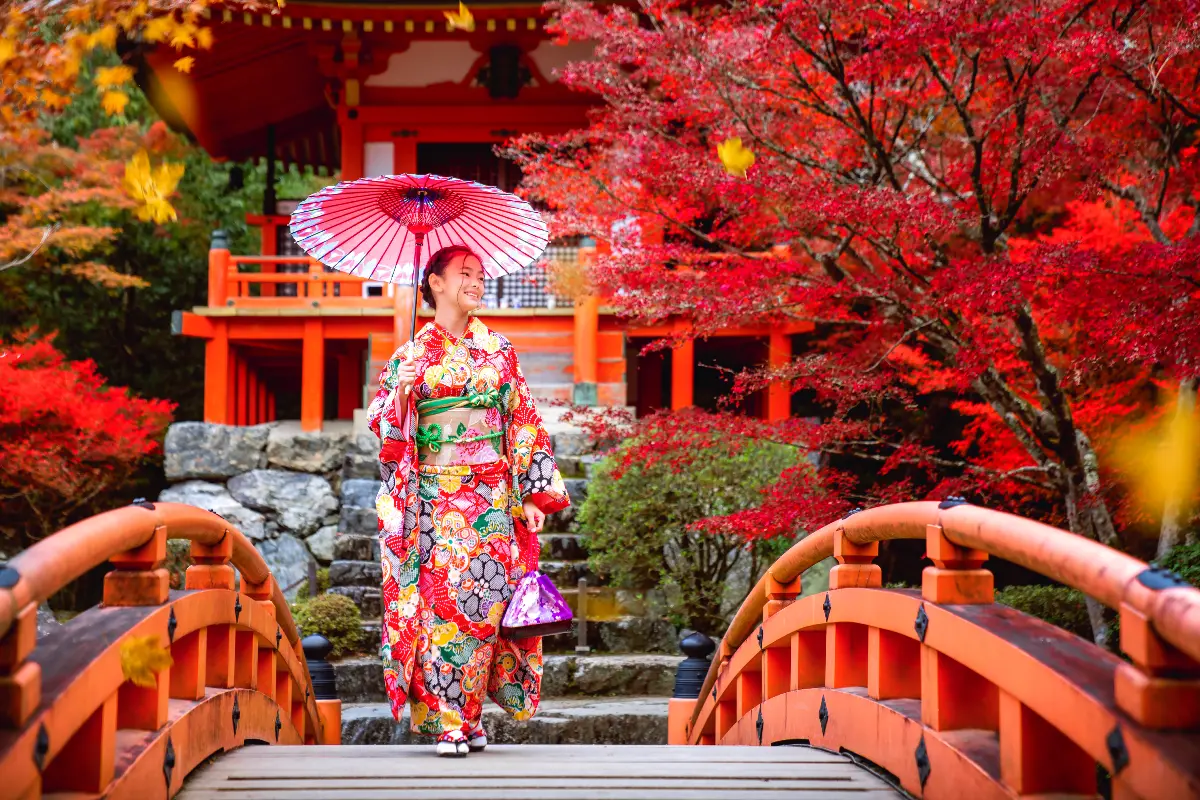
Our journey through kimono couture begins in the Nara period (710-794), where the kimono, or "thing to wear" derived from the words "ki" (wear) and "mono" (thing), finds its earliest roots. The kimono we know today, though, more closely resembles those worn in the Heian period (794-1185), when a more refined court culture demanded elegance in dress. Layers of robes, called "juni-hitoe", were worn by women of the aristocracy, showcasing their status and taste, and this practice has echoed through the ages to influence modern kimono wearing.
The Edo period (1603-1868) brought with it a golden age for the kimono. As society became more peaceful and affluent, the middle class burgeoned, and the demand for beautiful garments rose. The kimono, evolving with the times, became more varied in style, fabric, and decoration. We see during this time the rise of the famed "ukiyo-e" woodblock prints, which often depicted stylish men and women in contemporary kimonos, thus solidifying its icon status.
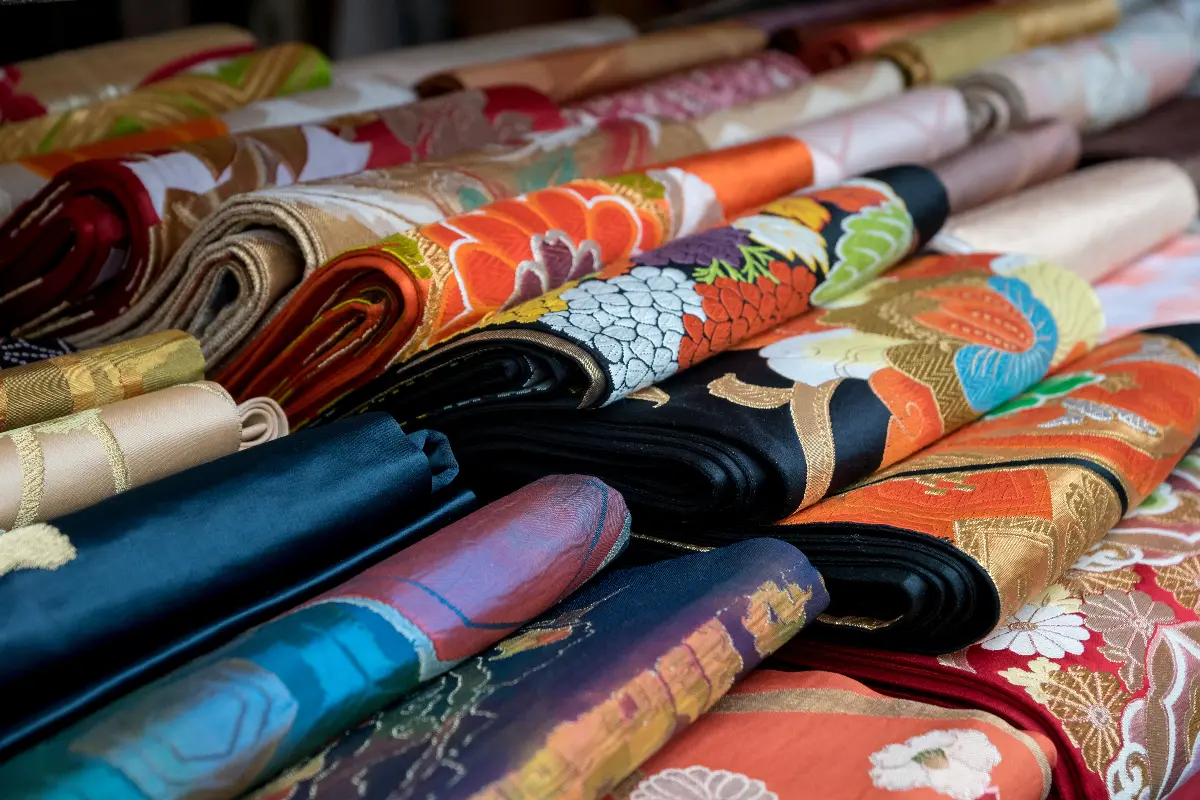
It's essential to note that kimonos are not just one-size-fits-all. There is a variety to meet the needs of different occasions, status, and seasons. The "furisode" with its swinging long sleeves is for unmarried women, signaling availability for marriage, while the "homongi" is worn by married women. The "yukata", a lightweight summer kimono made of cotton, is a casual variant commonly seen at summer festivals.
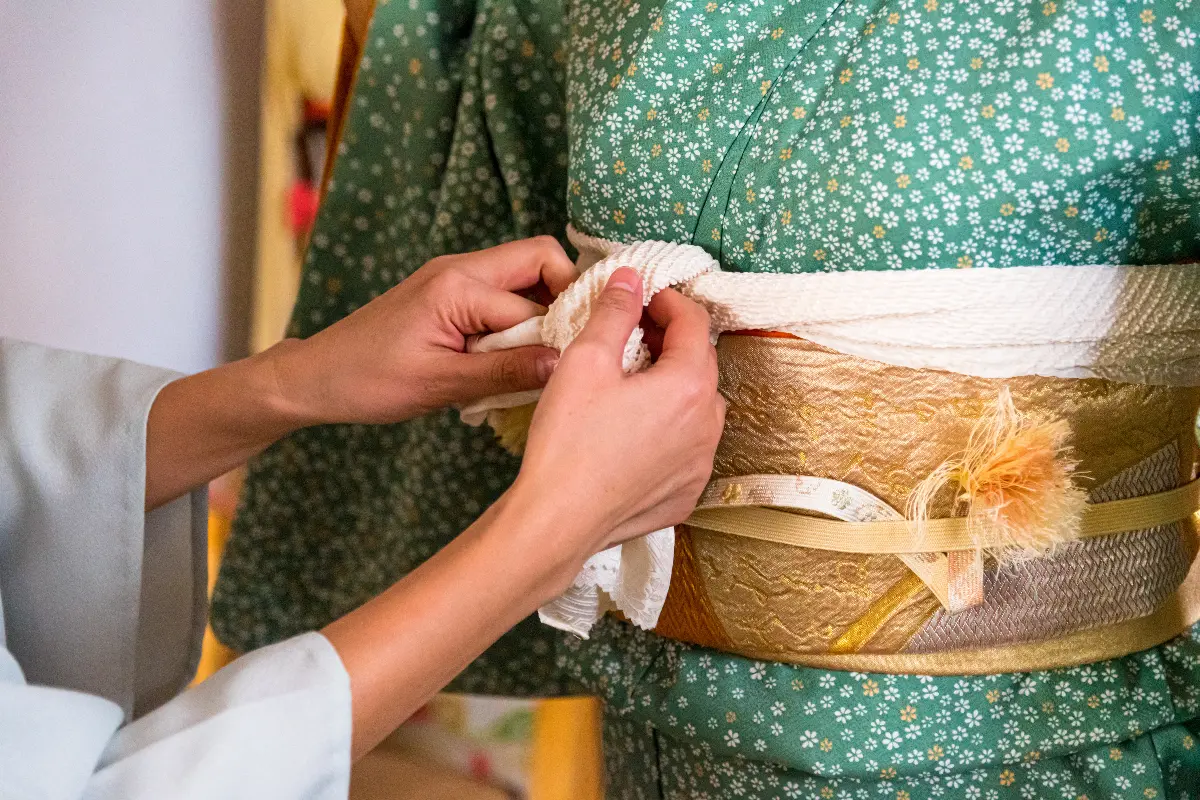
The art of putting on a kimono is intricate and considered a skill. The process, known as "kitsuke", is meticulous, more so because one does not simply "put on" a kimono; they are wrapped and folded around the body in a specific manner, fastened by a sash called an "obi". The length of the sleeves, the way the fabric crosses over the body, and the choice of obi knots are subtle indicators of the wearer's age, marital status, and level of formality of the occasion.
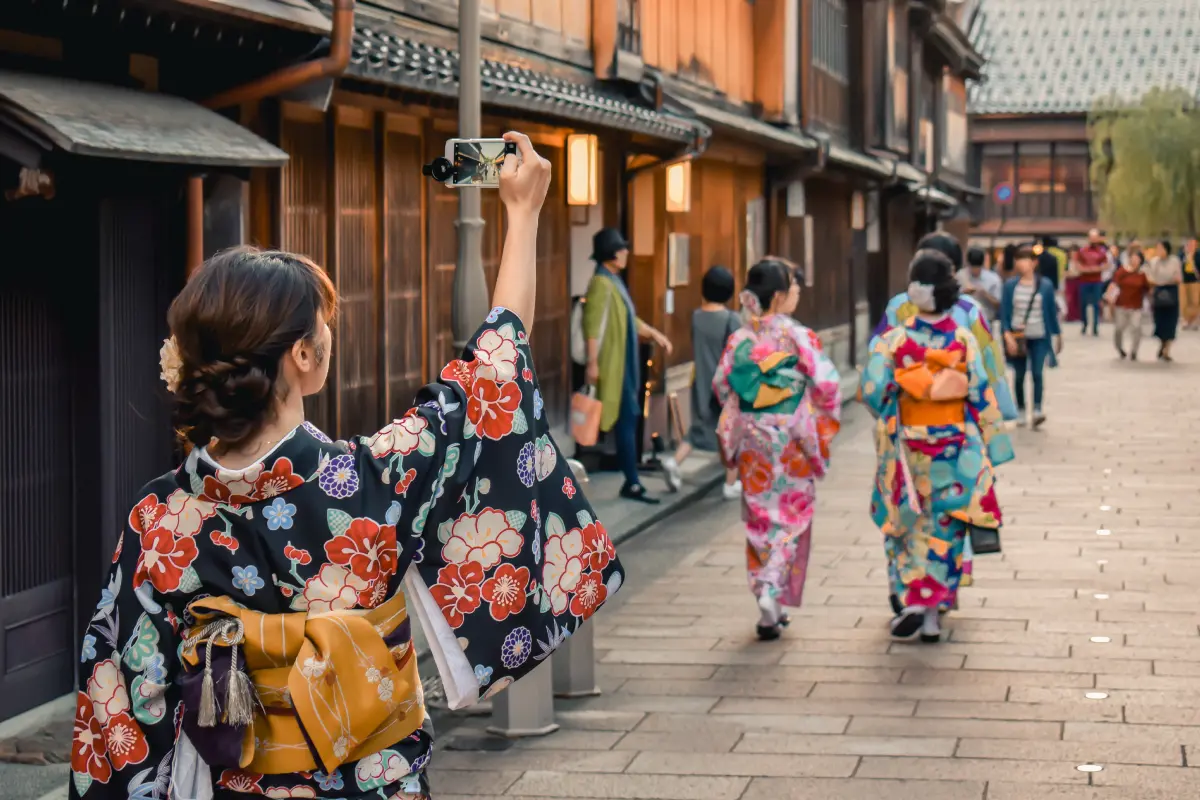
Moving into the 20th century, Western clothing began to outpace the kimono as everyday wear in Japan. The kimono started to represent something worn only for special occasions. Yet, the 21st century has seen a kimono revival of sorts. Traditional fashion has found new audiences and admirers, not only at home in Japan but internationally, as designers and fashion enthusiasts look for inspiration in the rich tapestry of the past.
Modern interpretations of kimono styles are finding a place on global fashion runways. Not merely confined to tradition, these adaptations play with length, fabric, and patterns to suit contemporary tastes, leading to a style some call "kimono-inspired". Designers like Alexander McQueen, John Galliano, and Gucci have incorporated kimono elements in their collections, thus bridging the gap between Eastern traditional wear and Western fashion sensibilities.
In the heart of Tokyo’s bustling fashion districts, one might find an eclectic fusion of the old and the new. Stores that have been around for generations selling kimonos made of sumptuous silk, hand-painted with traditional motifs, coexist with more modern establishments offering pre-tied obi's and machine-washable polyester kimonos for today's busy lifestyle.
The sustainability movement in fashion has also found an ally in the kimono. As a garment that can be entirely disassembled and resewn to adapt to different body sizes or repair wear and tear, the kimono embodies principles of longevity and care for materials that resonate with eco-conscious consumers.
The kimono experience has also woven its way into cultural immersion activities for tourists and locals alike. Workshops where one can learn about the history, symbolism, and art of wearing a kimono are gaining popularity, reflecting a burgeoning appreciation for cultural practices that speak to a deep human longing for connection to heritage and artistry.
Moreover, outside of Japan, there are enthusiasts who respectfully wear and share about kimonos. They maintain a sense of reverence towards the traditional aspects of the attire, often engaging in cultural exchange and understanding, which has the added benefit of invigorating debates and discussions on cultural authenticity and appreciation.