


Since its release in 1977, “Star Wars” has transcended its original medium to become a cornerstone of contemporary culture, a breeding ground for fanatic devotion, and an example of moviemaking magic that has inspired generations. This cinematic phenomenon began with George Lucas’s vision of a space opera, a genre he felt was lacking in the film industry of the time. What followed has been described as nothing short of a cultural revolution—one that has intricately woven itself into the fabric of both American and international pop culture.
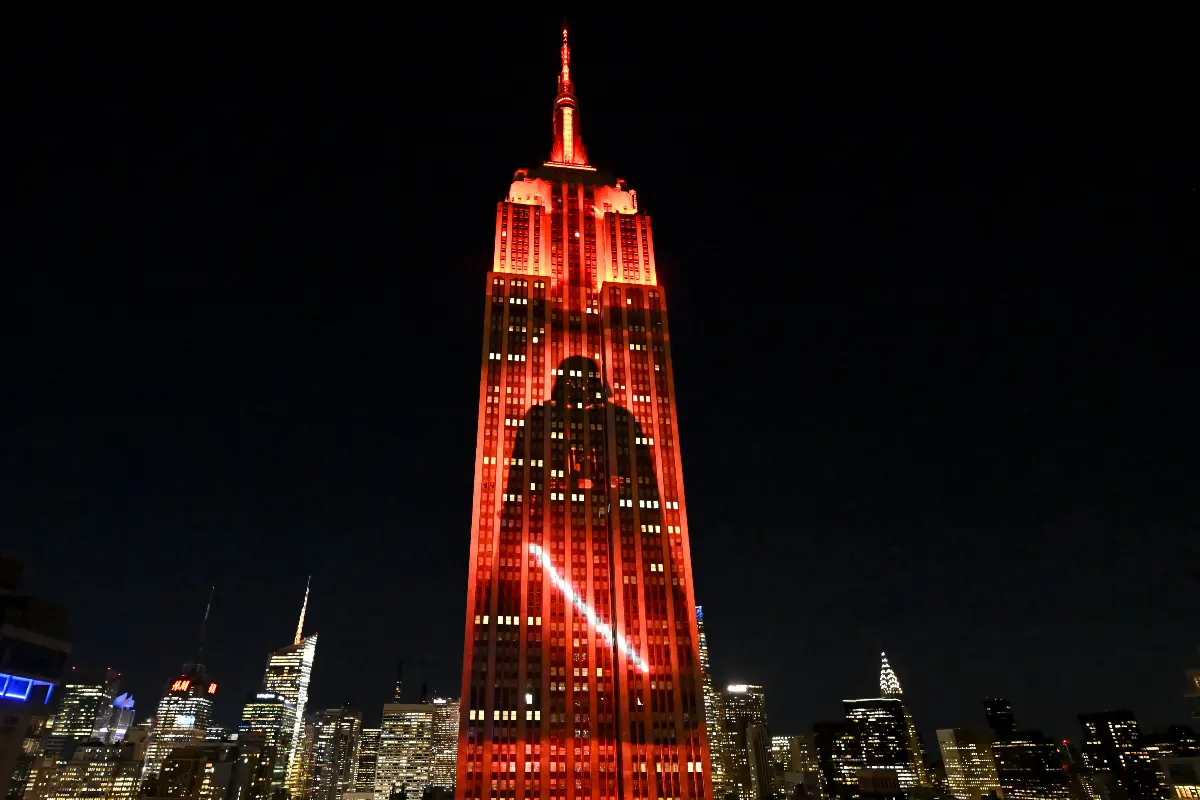
The original film, titled “Star Wars: A New Hope,” injected vitality into the science fiction film landscape with its groundbreaking special effects, captivating story, and memorable characters. Against the backdrop of a corporate-ruled cinema that was churning out a string of subdued, gritty, and realistic films through the 1970s, “Star Wars” emerged as a breath of fresh, fantastical air. Its classic tale of good versus evil resonated with audiences around the world and became a storytelling benchmark for future generations.
One reason for the movie's monumental success was its appeal to universal archetypes discussed in Joseph Campbell’s "The Hero with a Thousand Faces." Lucas deliberately incorporated mythic structures into his space saga, creating a story that was both fresh and familiar. The young hero, Luke Skywalker, the wise mentor, Obi-Wan Kenobi, and the redemption-seeking antihero, Han Solo, all play roles lifted from the annals of myth and legend. These timeless themes have allowed “Star Wars” to resonate across cultural and generational divides.
Part of the franchise's charm is its extensive and well-crafted universe. The sheer scale of the “Star Wars” galaxy, with its plethora of species, languages, and planets, is a testament to Lucas's imagination and world-building prowess. This extensive backdrop served as fertile ground for countless spin-offs, including animated series, novels, comic books, video games, and an ever-expanding array of merchandise. Fans could immerse themselves in the “Star Wars” universe, exploring every nook and cranny through various mediums, satisfying a desire for connected and continuous storytelling that has only burgeoned in the digital era.
Speaking of technology, “Star Wars” set a new standard in special and visual effects with its innovative use of models, computer graphics, and practical effects. Lucasfilm’s pioneering subdivision, Industrial Light & Magic (ILM), transformed the landscape of visual effects, pushing boundaries with each new installment of the series. The company's influence extends far beyond the “Star Wars” franchise, as ILM continues to be at the forefront of visual effects technology in cinema today.
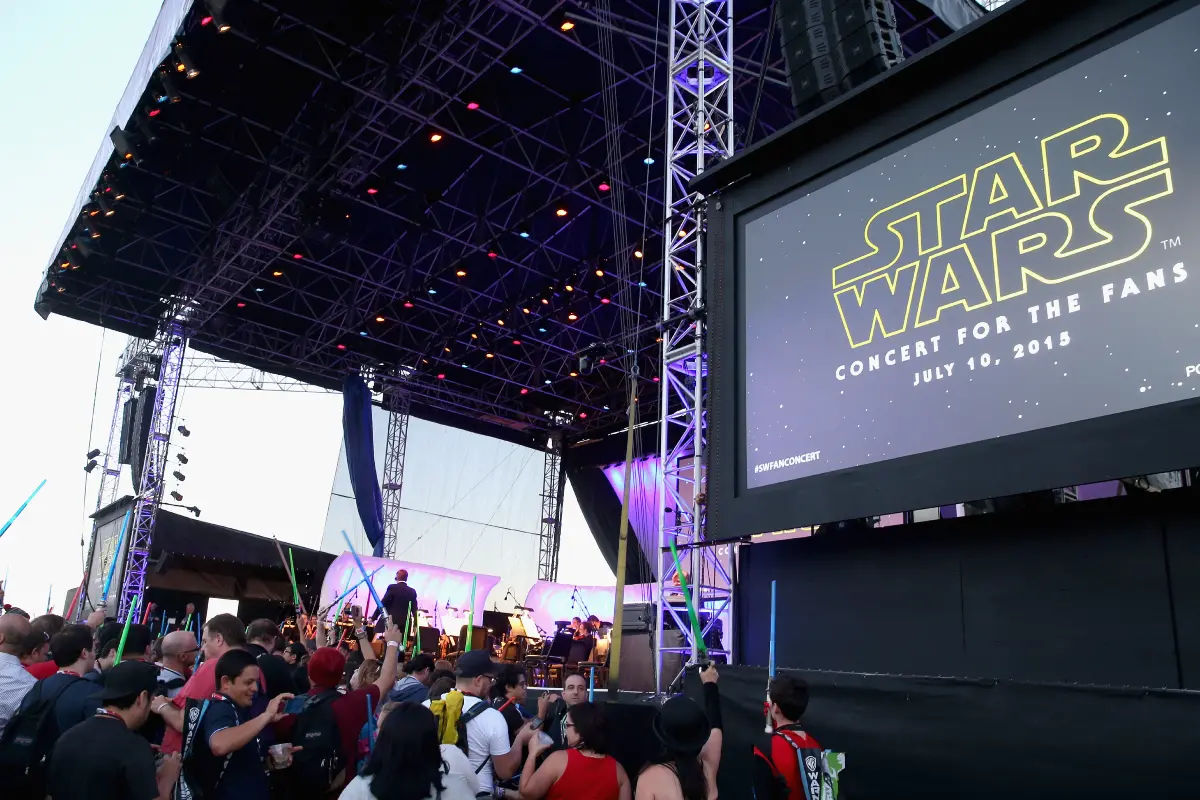
Music was another crucial component of the franchise's success. Composer John Williams crafted one of the most iconic film scores in history. The opening fanfare of “Star Wars” is universally recognized, and the motifs associated with various characters and themes throughout the saga have become deeply ingrained in pop culture. The music’s emotional weight is so potent that it can invoke the narrative and excitement of the films merely through a few opening notes.
The original trilogy spurred a merchandising juggernaut that was unprecedented at the time. For many, collecting “Star Wars” action figures, lightsabers, and other memorabilia became a hobby and, for some, a valuable investment. The clever marketing and quality merchandise helped maintain the franchise's popularity between film releases, expanding its reach and embedding it further into cultural consciousness.
With the arrival of the prequel trilogy beginning in 1999, George Lucas’s saga saw a resurgence and introduced “Star Wars” to a younger audience. The prequels expanded the lore of the galaxy far, far away, providing backstories to beloved characters and deepening the mythos. While the prequels were met with mixed reactions, they sparked a new wave of discussion and brought fresh elements into the “Star Wars” lexicon. The moral complexities of the prequels, including the fall of Anakin Skywalker and the rise of the Empire, reflected more nuanced storytelling and the evolving narrative sophistication of audiences.
In the 2010s, the sequel trilogy, as well as standalone films like “Rogue One” and “Solo,” received the baton from the original and prequel trilogies, further propagating the “Star Wars” saga. While the reaction to these films has been varied, they further energized the fan community and brought forth conversations about legacy, fandom, and the future of storytelling. These films, consciously diverse in their casting, reflect a changing world and the growing desire for representation across the board.

Social media and fan communities have played an immense role in maintaining and nurturing "Star Wars"' cult status. Online platforms allowed fans to connect, debate, and share their passion in ways that were not possible in the late 20th century. “Star Wars” culture is vibrant and interactive, with fans creating their own art, stories, and theories, breathing continuous life into the saga and often influencing the official canon in the process.
The franchise's influence on popular culture and entertainment is indelible. References to “Star Wars” are found in films, television, music, and even in politics. The saying "May the Force be with you" and the concept of "The Dark Side" have entered everyday language. More than just a series of movies, "Star Wars" is a benchmark for storytelling and a cultural artifact that has shaped and inspired countless other creative works.
In the end, it is the emotional impact and collective experience of “Star Wars” that have cemented its place in the hearts of millions. Whether it's the thrill of space battles, the wisdom of the Jedi, the tragedy of Darth Vader, or the hope embodied by the Resistance fighters, “Star Wars” speaks to the dreamer, the idealist, and the storyteller in us all. It's a tale of human (and alien) experience that threads through the fabric of our shared cultural tapestry, forever reminding us that no matter how far a galaxy may seem, it’s never too far away to imagine.