


Encouraging kids to engage in sports is a powerful tool for teaching them about teamwork, discipline, and the joy of movement. With the ever-increasing array of sports available, choosing the right one for your child can be quite the dilemma. Thus, it is essential to approach this decision with a nuanced understanding of what each sport offers and how it aligns with your child’s unique personality and interests.
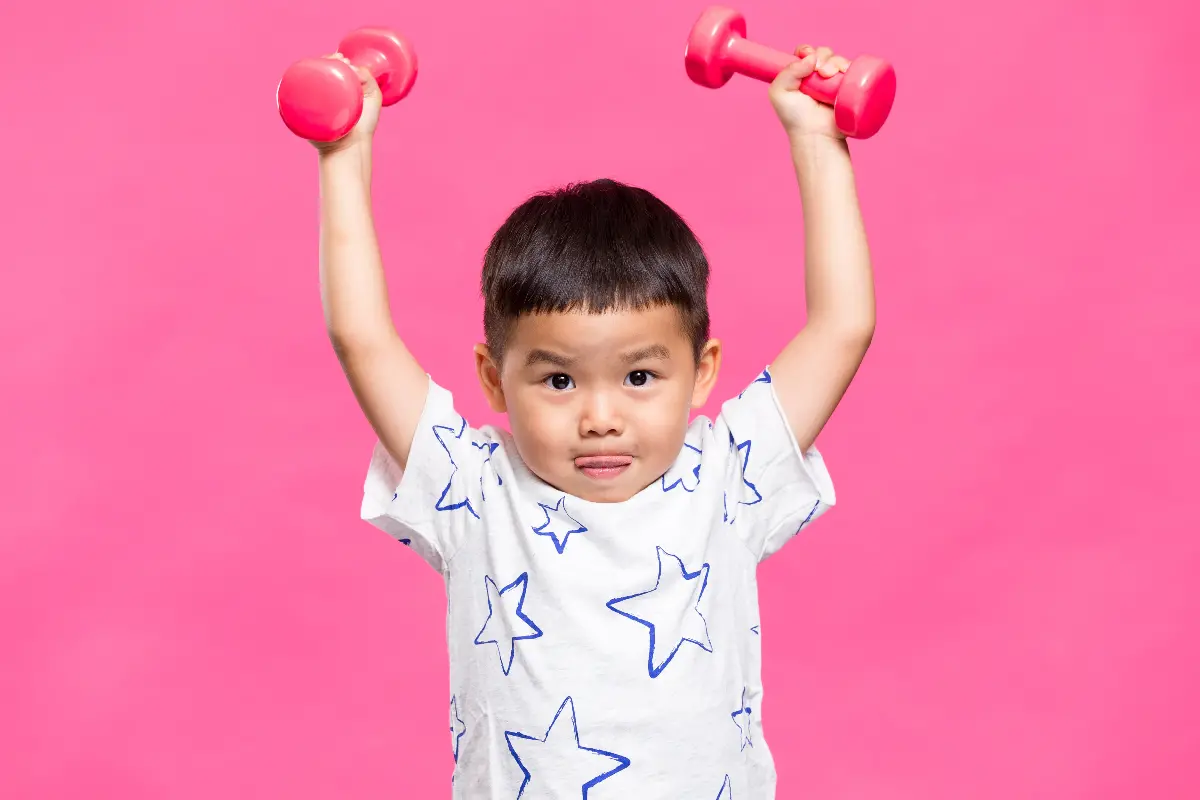
Firstly, let’s debunk a common myth: there is no one-size-fits-all when it comes to selecting the right sport for a child. Children are unique individuals with varying interests, physical abilities, and social preferences. While one child may thrive in the fast-paced world of basketball or football, another might find joy in the solo pursuit of swimming or in the precision of archery. The key is to observe and understand your child’s dispositions and interests.
A great starting point is to consider the physical benefits of various sports. Swimming, for example, is renowned for developing cardiovascular health and full-body strength without putting too much strain on growing bones. Gymnastics, on the other hand, is excellent for dexterity, flexibility, and strength while also challenging a child's cognitive abilities with routines that require memorization and concentration.
Beyond the physical, sports can serve as a wonderful platform for personal development. Team sports, such as soccer, rugby, or netball, foster a sense of community, cooperation, and teamwork. They teach children how to communicate effectively, work collectively towards a goal, and handle both wins and losses gracefully. Individual sports, like tennis or badminton, might cater to children who enjoy personal competition and those who like to track their own progress and feel motivated by self-improvement.
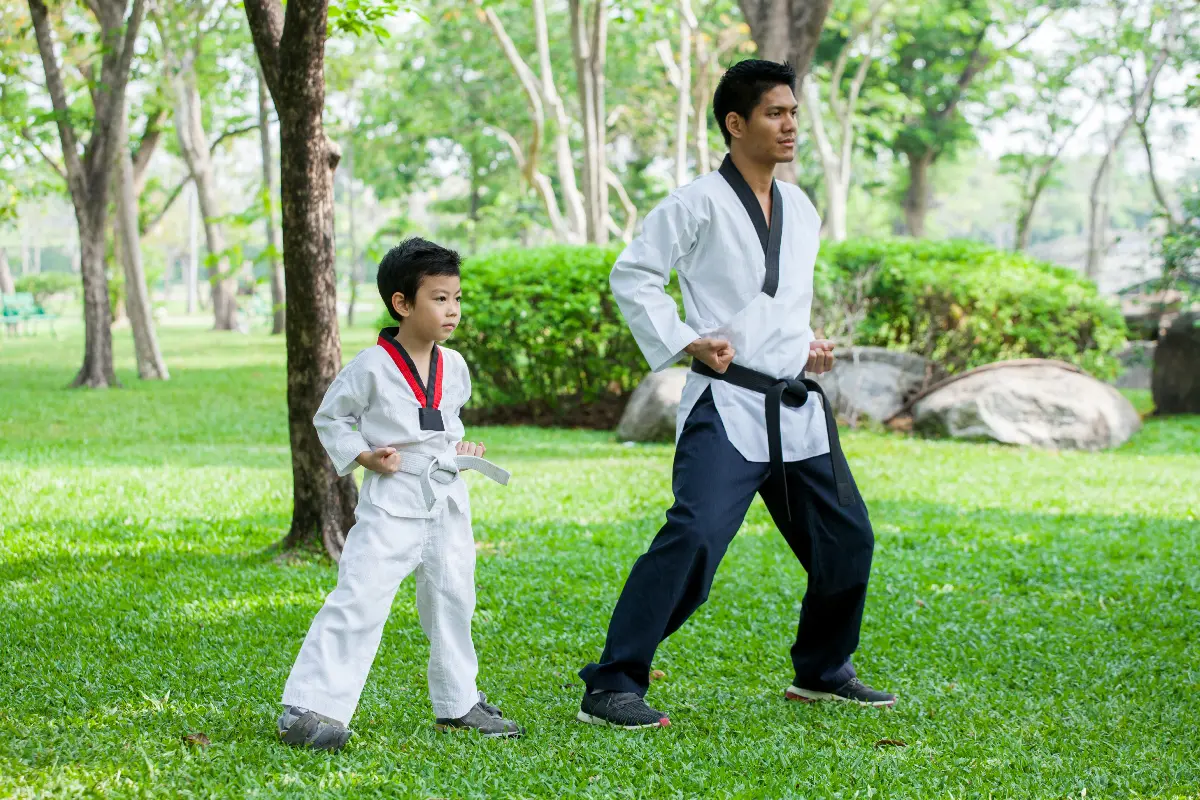
Martial arts, a category on its own, deserve a special mention. Taekwondo, karate, and judo are not just about physical prowess; they are steeped in discipline and respect. Along with self-defence, they instill a strong sense of self-discipline and self-control, which can be beneficial for children who thrive on structure.
The cognitive advantages of engaging in sports are equally significant. Research continually highlights that physical activity can enhance cognitive function and academic performance. Sports that require strategic thinking, like chess (often considered a sport due to its competitive nature) or team strategy games like basketball, encourage critical thinking, problem-solving, and decision-making.
When introducing your child to sports, it is crucial to consider their temperament. Energetic, outgoing children might be drawn to team sports where social interaction is at the forefront, while more introspective children might prefer the focus and solitude of individual pursuits. Moreover, certain children may be more suited to endurance sports like long-distance running or cycling, while others might prefer the intensity and quick payoff of sprinting or weightlifting.
Accessibility is another key consideration. Opt for sports that have accessible training locations, reasonable costs, and fit into your family’s schedule to ensure long-term sustainability and enjoyment for your child. Consider swimming, with many publicly accessible pools around the island, or badminton, which can be played at community centres across the city.
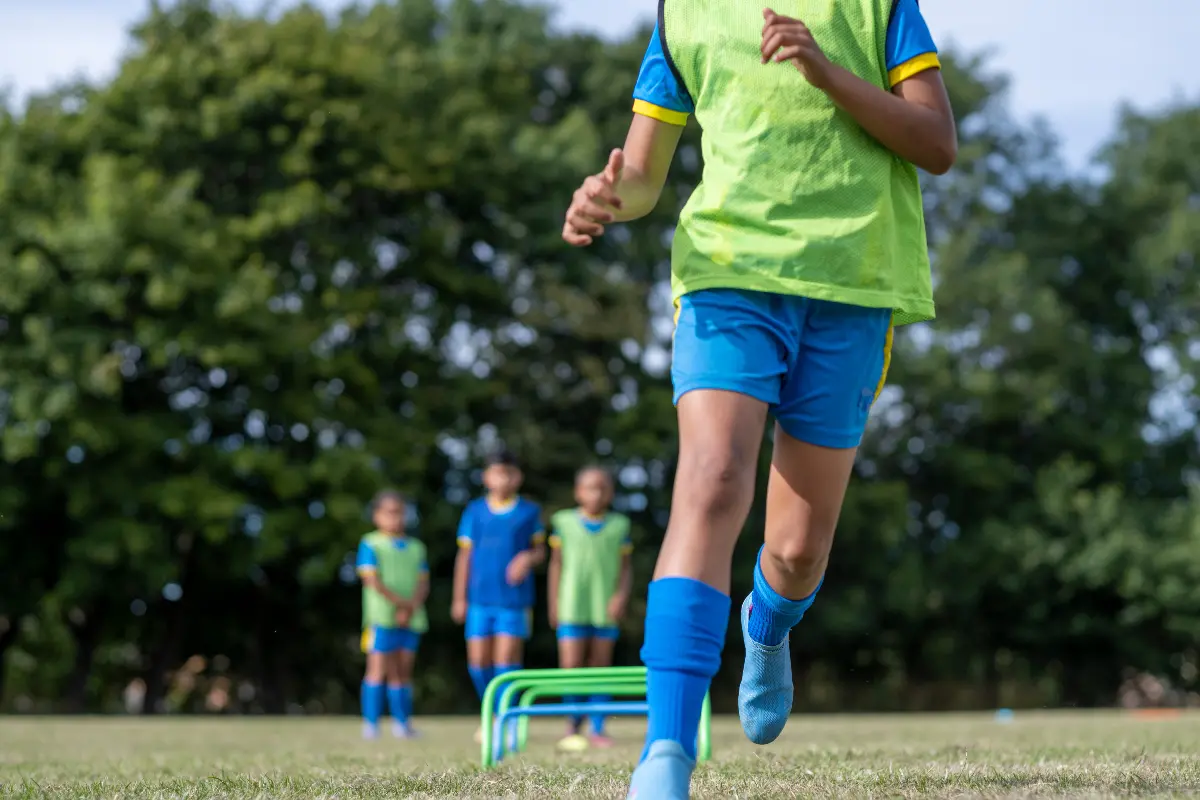
One of the most practical ways to identify the right sport for your child is to expose them to a variety. Multi-sport camps or introductory sessions in various sports give children the chance to experience different activities and discover what they enjoy the most. Through trial and error, they’ll naturally gravitate towards those that they find most rewarding.
Furthermore, it's important to listen and take cues from your child. If they're showing sustained interest and excitement in a particular sport, foster that enthusiasm. Sometimes, peer influence can also be a powerful motivator. If a child’s friends are participating in a specific sport, they are more inclined to join and stick with it.
Finally, remember that interests can change, and what was once a child’s favourite sport may no longer ignite the same passion as they grow. And that’s perfectly fine. The goal is to instill in them a lifelong love for physical activity and the personal and social benefits that come with it.
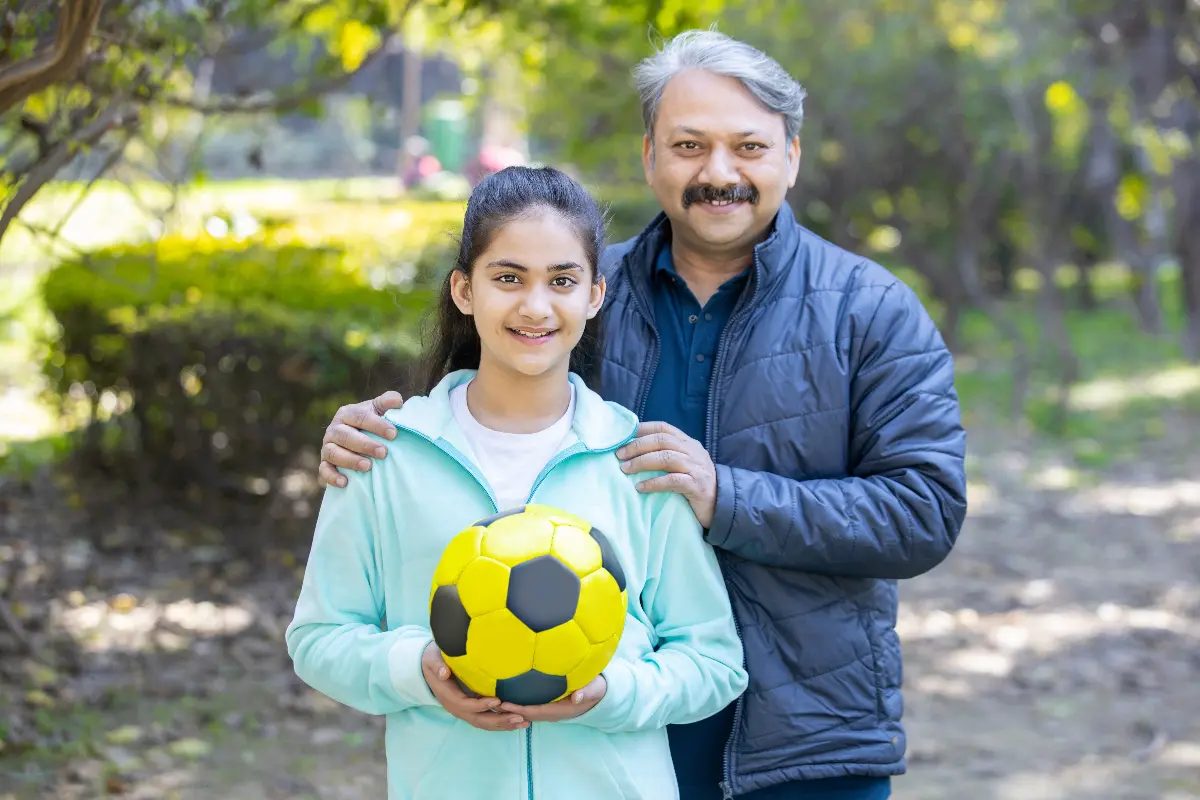
As parents and guardians, you are positioned in a culturally diverse environment with a wealth of opportunities to help your child embark on a journey of self-discovery through sports. By paying attention to their individual needs and preferences, ensuring a balance of fun and challenge, and continuously providing encouragement, you’ll be giving your child the chance to embrace sports as a vital part of their personal growth and development.