


Sweat often gets a bad rap—it messes up our makeup, soaks our shirts, and sometimes comes with an unwelcome odor. But what if we looked beneath the surface of this natural process? We'd find that it plays a fascinating and significant role in our overall wellness, particularly in the detoxification of our bodies.
Let's dive into the secret life of sweat and unravel the mysteries of its detox benefits for both men and women striving to balance health and daily life.

The human body is equipped with a complex detoxification system, in which the liver stands out as the front-line warrior against toxins. However, the skin, which is our largest organ, assists enthusiastically by allowing sweat to act as a carrier, removing certain waste products through our pores.
There's more sweat to us than just water and salt. Human sweat is a concoction of water, minerals, lactate, and urea. The proportion of water can exceed 99%, but the remaining 1% is significant. As we sweat, our bodies excrete a variety of substances, including metals like mercury and lead and organic compounds such as BPA—substances that can be harmful if they accumulate in the tissues over time.
Contrary to popular belief, sweating for detox doesn't necessarily mean sweating more. The body's primary focus during sweating is to regulate temperature, not detoxification. It does, however, provide a benefit through the elimination of toxins that are dissolved in sweat. Engaging in sauna sessions or hot yoga classes can increase sweating and potentially aid in removing a small amount of these unwanted compounds more quickly.
Nonetheless, sweating alone doesn't flush out toxins entirely; it's part of a team effort. To aid the detox process effectively, hydration is key. Drinking ample water helps maintain the sweat rate and assists the kidneys in flushing out water-soluble waste.
Not all sweat is created equal. Eccrine sweat, one of the two types of sweat our glands produce, is the kind most associated with detox. These glands are found over much of the body, and they secrete a clear, odourless fluid primarily composed of water and salt. The eccrine glands are the main players during exercise or when we're exposed to Singapore's tropical heat. In contrast, apocrine sweat—found under the arms and in the groin—tends to be thicker and is broken down by bacteria on the skin's surface, causing body odour.
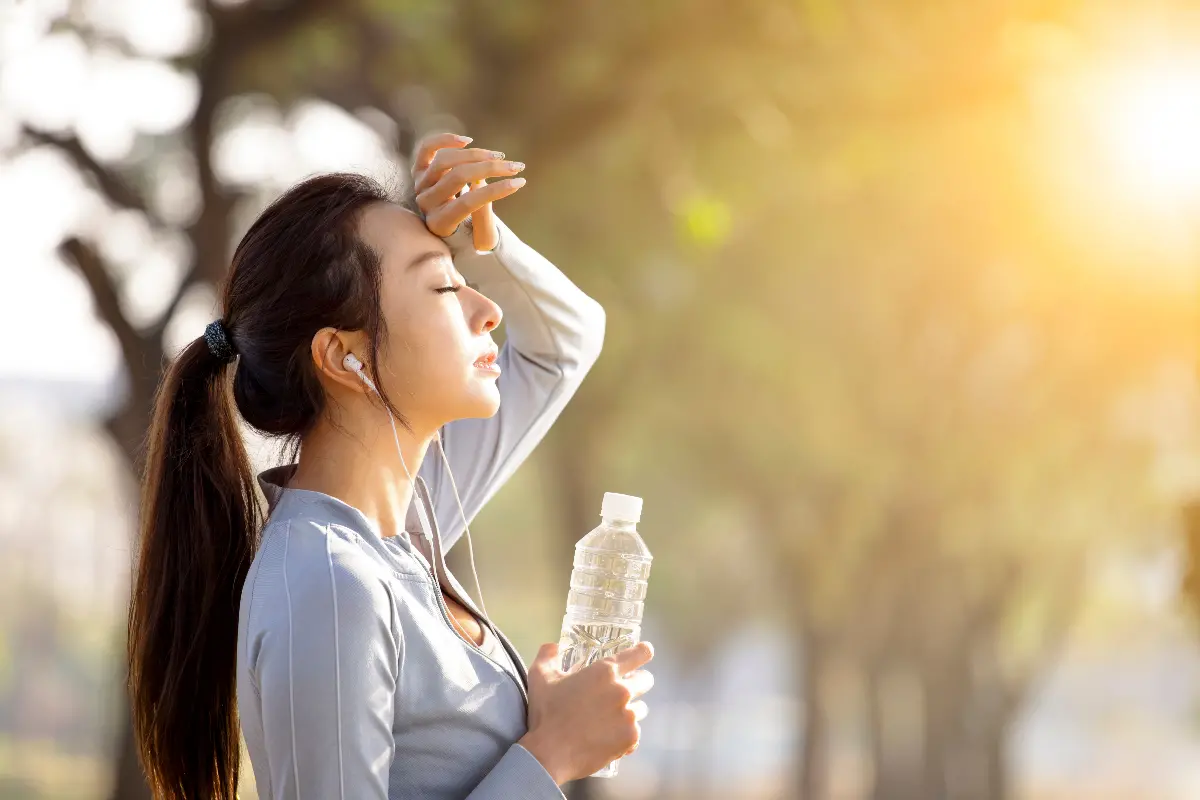
The benefits of sweat extend beyond detoxification. It has been an evolutionary boon, gifting us with the ability to cool down our bodies during high temperatures or vigorous activities. Sweating also helps to keep our skin moist and maintains the balance of fluids and electrolytes in our bodies.
Despite the various positive effects, myths about sweat prevail. One of the most common is that sweat can help you lose weight. While it's true that you might see a lower number on the scale after a sweaty workout, this reflects a loss of water weight, not fat, and will return once you rehydrate. Hence, sweating should not be used as a weight loss tool but rather as a complementary process to a healthy lifestyle.
Moreover, detoxing through sweat doesn't necessarily clear the body of alcohol or drugs. These substances are primarily processed by the liver and kidneys, and sweating has little to no impact on this kind of internal cleansing.
One area where sweat shows potential is in the field of medical diagnostics. Because it contains many of the same substances found in blood, scientists are exploring ways to use sweat to monitor diseases like diabetes and cystic fibrosis or to assess the body's response to medication—all through non-invasive sweat analysis.

In caring for our skin and, consequently, our sweat, maintaining hygiene is paramount. Regular bathing, the use of antiperspirants, and wearing breathable fabrics can manage sweat and prevent skin irritations or infections. A healthy diet also plays a part; certain foods can affect the smell of sweat, and a balanced intake helps to manage the body's overall production of waste.
Lastly, the cultural significance of sweat should not be overlooked. While in some cultures sweating is viewed negatively, in others, such as the practice of the sauna in Finnish society, sweating is embraced as a communal activity beneficial for health and well-being.
In bustling Southeast Asia, where the climate and pace of life can lead to a lot of sweating, understanding its detox benefits can help us appreciate this natural bodily function. Rather than being ashamed of a little sweat, embracing it can lead to a healthier and perhaps even happier existence.
So the next time you feel the beads of sweat forming, think of it as a salute from your body—a sign that the intricate machinery within is working exactly as nature intended, playing its part in keeping you cleansed and at the right temperature, making way for you to take on the day or to rest with a sense of achievement. Embrace your sweat, for it is a silent guardian of your well-being.