


In the ever-expanding universe of literature, science fiction serves as a portal to the realms of the unimaginable, where the frontiers of technology, human experience, and the mysteries of the cosmos converge. Whether you’re a seasoned explorer of speculative fiction or a curious newcomer, there are certain sci-fi books that simply cannot be missed. These works push the boundaries of creativity and offer profound insights into what it means to be alive in worlds both strangely familiar and wildly alien.

First on our journey is "Dune" by Frank Herbert. A masterpiece of science fiction, "Dune" is more than just a novel—it’s a sprawling epic of politics, religion, ecology, and the human condition, set against the backdrop of a desert planet named Arrakis. At its heart is the tale of young Paul Atreides, whose family accepts the stewardship of Arrakis, the only known source of the universe’s most valuable substance. Herbert’s intricate world-building and complex characters offer a commentary on power and environmental stewardship that remains poignantly relevant today.
Next, we delve into the cyberpunk genre with "Neuromancer" by William Gibson. This seminal work laid the groundwork for envisioning the modern Internet, and its influence can be seen throughout contemporary culture. Gibson introduces us to a world where data is the ultimate commodity and cybernetics are as common as tattoos. Following the story of washed-up computer hacker Case as he’s given one final chance for redemption, "Neuromancer" takes readers on a dizzying ride through the matrix—a global information network that feels eerily prescient of today’s internet-saturated society.
Another page-turner is "The Left Hand of Darkness" by Ursula K. Le Guin. In this profoundly thought-provoking novel, Le Guin takes us to the planet Gethen, where the inhabitants have no fixed gender, revealing themselves as male or female only during periods of reproduction. Through the eyes of a human envoy, we experience the complexities of a society free from gender norms and the nature of friendship and love in such a world. Rich in anthropological detail and deeply human in its storytelling, this novel offers a meditation on what it truly means to understand one another.
Leaping forward, we encounter "Snow Crash" by Neal Stephenson. This high-octane adventure set in a future America explores themes of linguistics, computer science, and philosophy. The protagonist, Hiro Protagonist—yes, that's his name—must uncover the source of a new drug and computer virus combo called Snow Crash that affects users both in reality and in the Metaverse, the novel’s version of a virtual reality internet. Stephenson’s vibrant writing and satirical edge create a kinetic tale that’s as humorous as it is insightful about the nature of human communication.
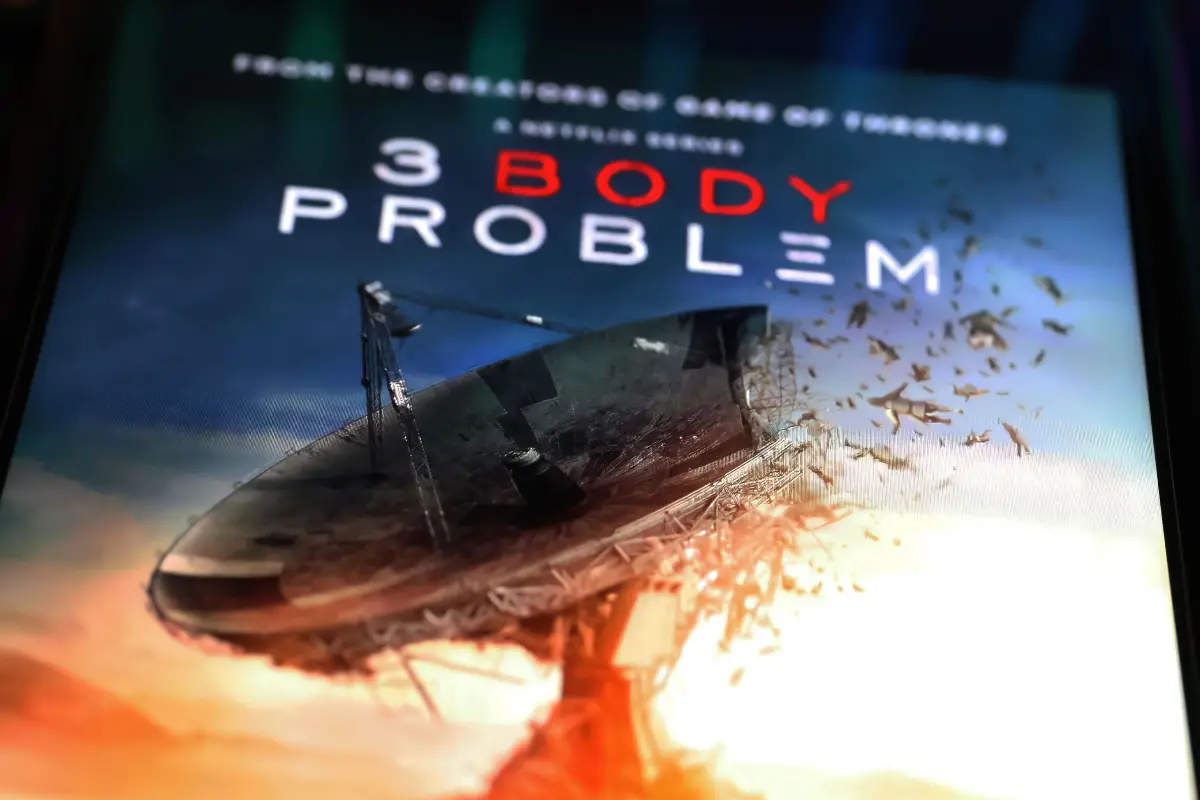
No list of unimaginable science fiction would be complete without "The Three-Body Problem" by Liu Cixin, translated by Ken Liu. This Hugo Award-winning book from China's most beloved science fiction author weaves a complex narrative involving physics, virtual worlds, and an impending alien invasion. Set against the backdrop of the Cultural Revolution, the story follows a secret military project aimed at making contact with extraterrestrial civilizations and the consequences that follow. The novel is celebrated for its ambitious scope and its ability to grapple with the cosmic and the microscopic in a story that spans galaxies.
Finally, explore the speculative richness of "The Windup Girl" by Paolo Bacigalupi. Set in a future Bangkok within a world where calorie companies wield power and bioterrorism is a tool for corporate warfare, we meet Emiko—the windup girl who is a genetically engineered being designed for obedience and service. Bacigalupi intricately crafts a plausible future shaped by environmental decay and the machinations of global politics. The novel is a scathing indictment of our current relationship with technology and our environment, making readers ponder the ethics of genetic manipulation and the true cost of survival.
Each of these visionary science fiction books provides a profound exploration of different aspects of humanity, society, and the universe. They challenge us to think critically about our present trajectory and the endless possibilities of our future—whether grounded on Earth or scattered amongst the stars. Through vivid storytelling and boundless imagination, these novels capture the very essence of science fiction: the quest to contemplate the unimaginable. So whether you enjoy your tales with a side of philosophy, politics, or just pure adventure, be sure to add these six essential reads to your literary odyssey.