


Climate change represents one of the most significant challenges of our generation, with impacts that span across every aspect of our lives. As individuals, our daily choices and actions contribute to the overall picture of planetary health. While the enormity of climate change can sometimes feel overwhelming, there are practical, accessible steps each of us can take to mitigate its effects and move towards a more sustainable future.
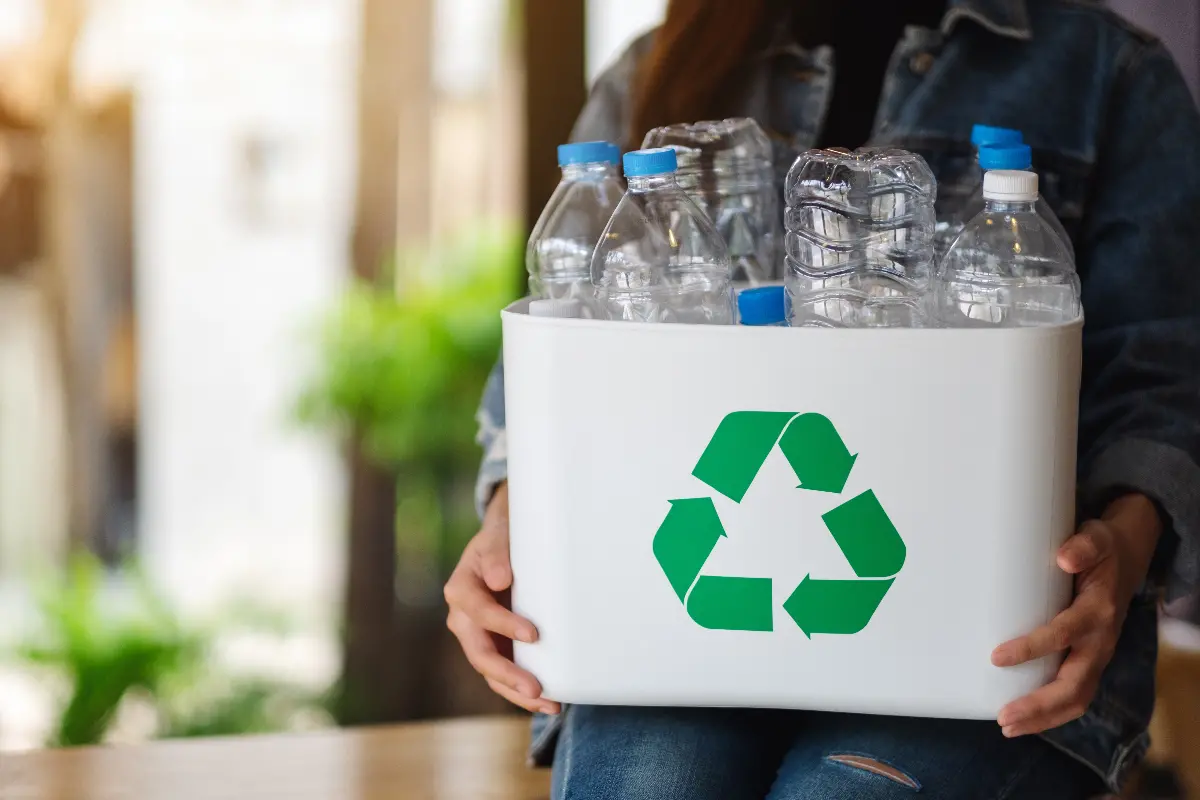
One key area where we can all make a significant difference is recycling. Recycling is more than just a means to reduce landfill waste; it's a fundamental component of a circular economy that conserves natural resources, saves energy, and reduces greenhouse gas emissions. By recycling paper, for example, we reduce the need to cut down trees, which are vital carbon sinks. When recycling metals like aluminium, we save approximately 95% of the energy required to produce new metal from raw materials. This energy savings translates directly into reduced carbon emissions.
However, recycling involves more than just sorting your plastic from your paper. It also means thinking about the life cycle of what we buy. Purchasing products made from recycled materials closes the loop and creates demand for more recycled goods, supporting the recycling industry. Moreover, we can practice 'precycling' by being conscious shoppers—choosing items with less packaging, opting for bulk items, and considering the recyclability of an item before you purchase.
Moving on from recycling, another arena for significant climate action is the food we consume. Agriculture is a major source of methane and nitrous oxide, both potent greenhouse gases. By reducing food waste, we directly cut down on the emissions associated with producing, transporting, and decomposing food that never gets eaten. Furthermore, incorporating more plant-based meals into your diet can reduce the demand for livestock farming, which is a major contributor to methane emissions.

The energy powering our homes and gadgets also comes into play when discussing climate action. Embracing renewable energy sources such as solar, wind, or hydropower can drastically reduce your carbon footprint. While installing solar panels or a wind turbine might require an upfront investment, they will reduce long-term energy costs and contribute to a greener grid. For renters or those who can't install renewables, purchasing green energy from your utility company is another way to support sustainable energy production.
Beyond these measures, energy efficiency is an impactful yet often overlooked component of action on climate change. Simple actions like upgrading to LED light bulbs, investing in energy-efficient appliances, and weatherproofing homes can significantly reduce energy consumption and greenhouse gas emissions.
Transportation is another sector ripe for climate action. If you can, opt to walk, bike, or take public transportation instead of driving. This not only cuts down on your carbon emissions but can also be beneficial to your health. For longer distances, consider the environmental impact of your travel and explore options like trains, which often have a lower carbon footprint per passenger mile than planes or cars.

On a community level, supporting climate-friendly policies is just as crucial. This can involve voting for leaders who take climate change seriously and advocate for responsible environmental policies. Engaging in local initiatives to promote green spaces, public transit, recycling programmes, and community renewable projects can also have a sizable cumulative effect.
Finally, education and communication about climate issues are powerful tools. By discussing climate issues with friends, family, and colleagues, you help build a more informed community that can act collectively. Supporting organisations, both local and global, that work towards tackling climate change can also amplify your impact.
In summary, from recycling correctly to embracing renewable energy, and from adjusting our diets to changing the way we travel, there are numerous practical steps we can take to make a major impact on climate change. It is essential to recognise that these actions are interconnected—one change often facilitates another, leading to a cascade of positive environmental impacts. By adopting some or all of these strategies in our lifestyle, we not only reduce our carbon footprint but also influence the market to create more climate-friendly products and services. Each of us has the potential to contribute to a larger movement and pave the way towards a more sustainable and hopeful future for the planet.