


In the pantheon of Greek myths, one story that has captured the imagination of countless generations is the tale of Icarus, a parable of hubris and the dangers of over-ambition. It is a narrative that not only resonates with the duality of human nature but also offers a cautionary note about the perilous thrill of reaching beyond our grasp.

The story of Icarus begins on the island of Crete, where he lived with his father, Daedalus, a master craftsman. Together, they were imprisoned by King Minos, who wanted to ensure that the knowledge of the Labyrinth—which Daedalus had designed to contain the monstrous Minotaur—would not spread. Eager to escape their confinement, Daedalus crafted two sets of wings out of wax and feathers, planning to flee by air, bypassing the patrolling ships that prevented sea escape.
Herein lies the first fascinating nugget: Daedalus’s inventive genius foreshadows humanity’s insatiable quest for innovation and progress. The image of a human adorned with wings would eventually seed the idea of human flight, a concept that would obsess inventors until it became a reality with the Wright brothers millennia later.
Despite the brilliance of the design, Daedalus was careful to warn his son Icarus about the wings' limitations—specifically, he cautioned Icarus not to fly too close to the sun, lest its heat melt the wax, nor too close to the sea, as the moisture would dampen the feathers. These warnings encapsulate the ancient wisdom about knowing one’s limitations and the dangers of venturing into extremes.

The tragedy of Icarus, however, was that, in the exultation of flight and the sense of boundless freedom it provided, he was swept away by the rapture of the skies. In a moment that defines the very essence of human ambition, Icarus soared higher and higher until the inevitable occurred: the sun melted the wax, and he plummeted into the sea, where he drowned.
It is here, in this moment of Icarus's fall, that the core message of the myth lies: the delicate balance between aspiration and hubris. This narrative resonates with anyone who has ever dared to dream big but has understood the inherent risks of such dreams. From Icarus’s failure, we glean that ambition unchecked by wisdom can lead to destruction—a theme that is as pertinent in today’s fast-paced world as it was in antiquity.
There is also a poignant subtext about the relationship between father and son. Daedalus is not only an archetype of the wise mentor who tries to imbue his protégé with the wisdom of restraint but also represents the powerlessness parents feel when they cannot protect their children from their own excesses. In Icarus's defiance of his father's counsel, we recognise the ageless story of youth challenging the boundaries set by the older generation.
The myth also leaves us contemplating the uncomfortable truth that often the price of failing grandly is severe. This has relevance in our modern culture, which frequently celebrates grand undertakings and lionises those who dare greatly—even as it sometimes fails to sustain a safety net for those who fall.
Icarus’s story has found echoes in literature and art throughout the centuries. Poets like Ovid in "Metamorphoses" and more modern voices such as W.H. Auden and William Carlos Williams have found in Icarus's fall a rich vein of inspiration to explore the human condition. Artists, too, have been fascinated by the visual drama of Icarus's tale, with works by Pieter Bruegel the Elder and Henri Matisse probing the tension and tragedy of his final moments.
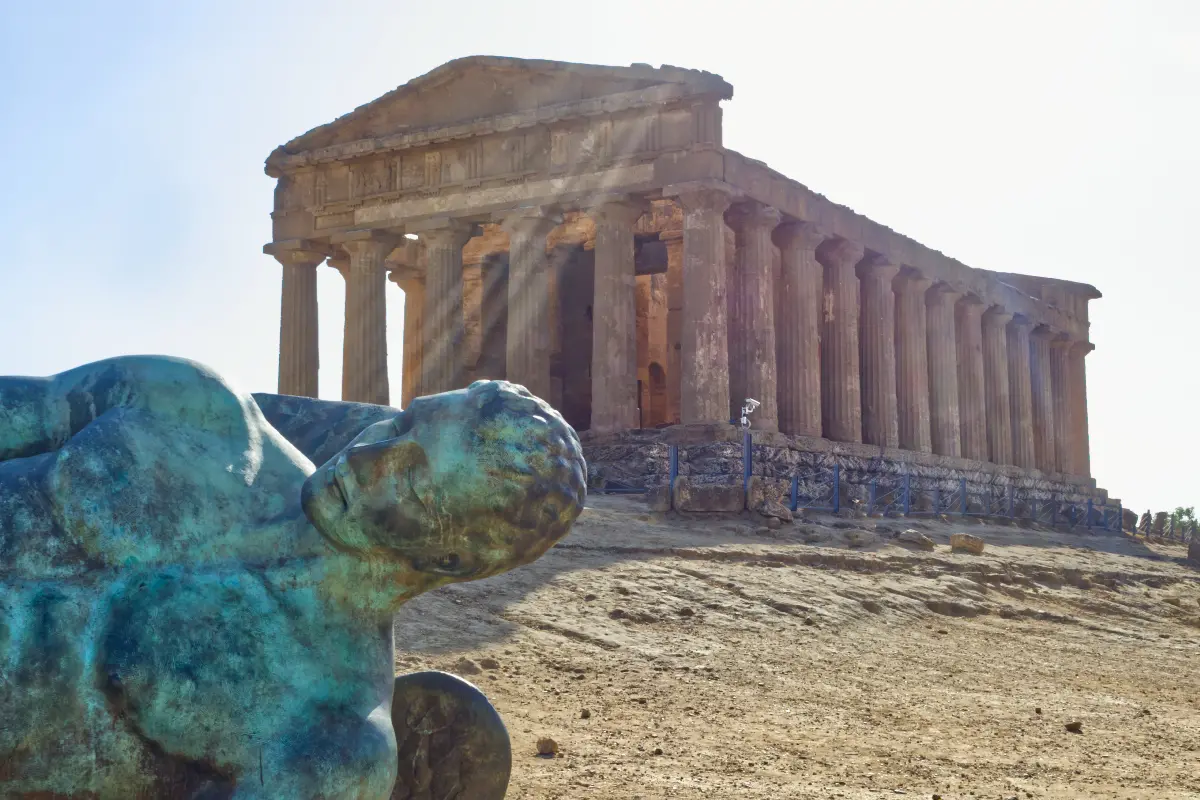
This myth's endurance in popular culture speaks to its ubiquity and adaptability. Interestingly, its themes emerge in discussions around modern technological advances. When new innovations are on the brink of breaking through into the public consciousness, there are always voices that remind us of Icarus—cautioning against reckless enthusiasm in the face of potential danger.
But perhaps the most compelling aspect of Icarus's story is that, despite its age, the tale retains its relevance, providing a framework for understanding the complexities of human desire and the consequences of our actions. The story compels us to ask ourselves how far we are willing to go to achieve our dreams and at what cost.
Ultimately, Icarus's Tale of Ambition doesn't just leave us with warnings; it invites intrigue about the human spirit, the inextinguishable desire to fly, and the quest for the unknown. Like the finest stories from antiquity, it stands as a testament to the threads of aspiration and caution woven through the fabric of human endeavours—an enduring narrative that encourages us to reflect upon the flight paths of our own lives.