


It's a digital era with brisk advancements, and so are the tactics of marketers to catch consumers off-guard. One such clever strategy that often goes unnoticed is 'dynamic pricing'. It’s the reason why the flight ticket you just checked is now $50 more expensive or why your favourite sweater costs more than it did last week. Dynamic pricing, also known as surge pricing, demand pricing, or time-based pricing, is a strategy where businesses set flexible prices for products or services based on current market demands.
However, fear not. With a little know-how, you can outsmart the system. Below, we outline practical strategies to avoid falling prey to dynamic pricing and ensure you shop smart.

First and foremost, understand that your online footprint is tracked. When you visit websites, cookies are placed on your browser, tracking your activity. This information helps retailers predict your buying behavior. For instance, if you've been eyeing a particular pair of shoes, the price might increase on the next visit as the algorithm senses your interest.
Clearing your browser cookies or utilising incognito mode can mask your browsing history, preventing the algorithms from catching on. Additionally, some extensions can block tracking, ensuring your activity does not influence the pricing you see.
Email subscriptions can be a double-edged sword. While it keeps you informed about the latest deals, it also signals your interest to retailers. Unsubscribe if you think your buying habits are being monitored too closely, or use a separate email account for shopping purposes to keep your activities discreet.
Another savvy move is to monitor price patterns. Prices can vary depending on the day of the week, time of day, or even holidays. For example, airlines are notorious for raising ticket prices on weekends when demand is high. By identifying the best times to buy, you can make purchases when prices are lower. Tools like Google Flights or CamelCamelCamel for Amazon can track price history and alert you to drops.

Price comparison websites and apps are also invaluable in outfoxing dynamic pricing. Platforms such as ShopSavvy, PriceGrabber, or Honey allow you to compare prices across various retailers for the same product to ensure you're getting the best deal. Honey also provides coupon codes at checkout, which can save you additional money.
Moreover, do not underestimate the power of local shopping. Online isn't always cheaper, especially with dynamic pricing in play. Local stores may offer better deals and the added value of no shipping costs. Keep an eye on flyers and local advertisements for promotions.
Additionally, joining loyalty programmes can give you an edge. While it seems counterintuitive to sign up and hand over more of your data, loyalty programmes often provide members with exclusive discounts. Retailers also tend to give loyal customers more stable pricing, as they want to maintain a good relationship.
Utilising VPNs (Virtual Private Networks) can also be a game-changer. Prices can change based on your geographic location. By using a VPN to spoof your location, you might discover prices are cheaper in a different city or country. This is particularly true for services such as stay bookings and software subscriptions.
Don't rush to click the 'buy' button. Sometimes, adding items to your cart and then leaving them can trigger price drops, as retailers want to close the sale. They might send you a reminder email with a coupon or a better offer. Patience can indeed pay off.
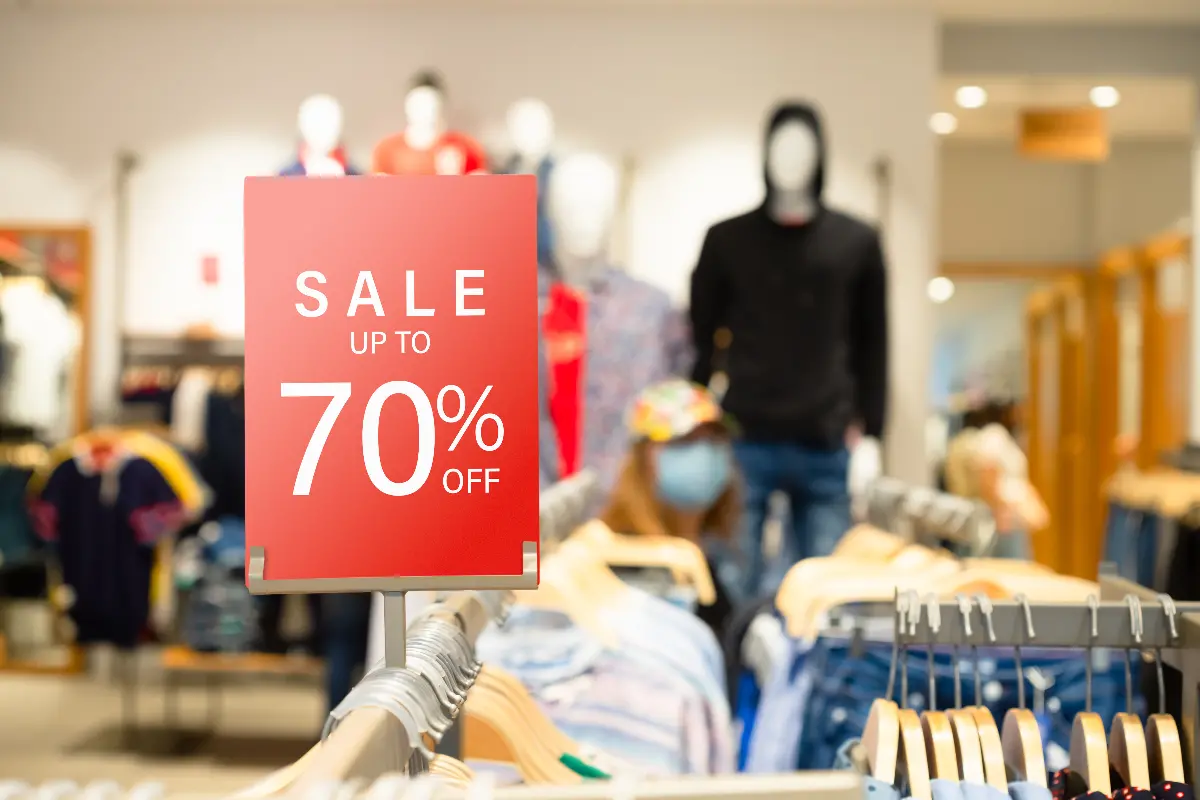
When shopping in physical stores, knowing the sales cycle will work to your advantage. Many stores offer sales and markdowns at the beginning or end of the month. For bigger purchases like appliances and electronics, the end of the financial year might see significant discounts as stores clear out old stock.
Lastly, social media can be a powerful ally. Retailers often announce flash sales and special promotions on their channels. Turning on notifications for your favourite brands can keep you in the loop for the best deals. Additionally, influencers and deal hunters usually share their finds on platforms like Instagram and Twitter.
By educating yourself on these strategies and staying vigilant, you can protect your wallet from the unpredictable whims of dynamic pricing. It's not about depriving businesses of their right to profit, but about ensuring you don't pay more than you should for the items you desire. Shopping smart is not only friendly to the purse; it’s a skill that reflects a discerning and empowered consumer. Be that clever shopper who knows when to strike for the best deal and when to step back when the price isn't right. Happy savvy shopping!