


Climate change is often discussed in terms of melting ice caps and stranded polar bears, but its subtler effects ripple through our everyday lives in ways we may not immediately notice. Even as we continue with our daily routines, the influence of our evolving climate weaves itself into our narratives, demonstrating that this phenomenon is not a distant threat but one impacting us here and now.
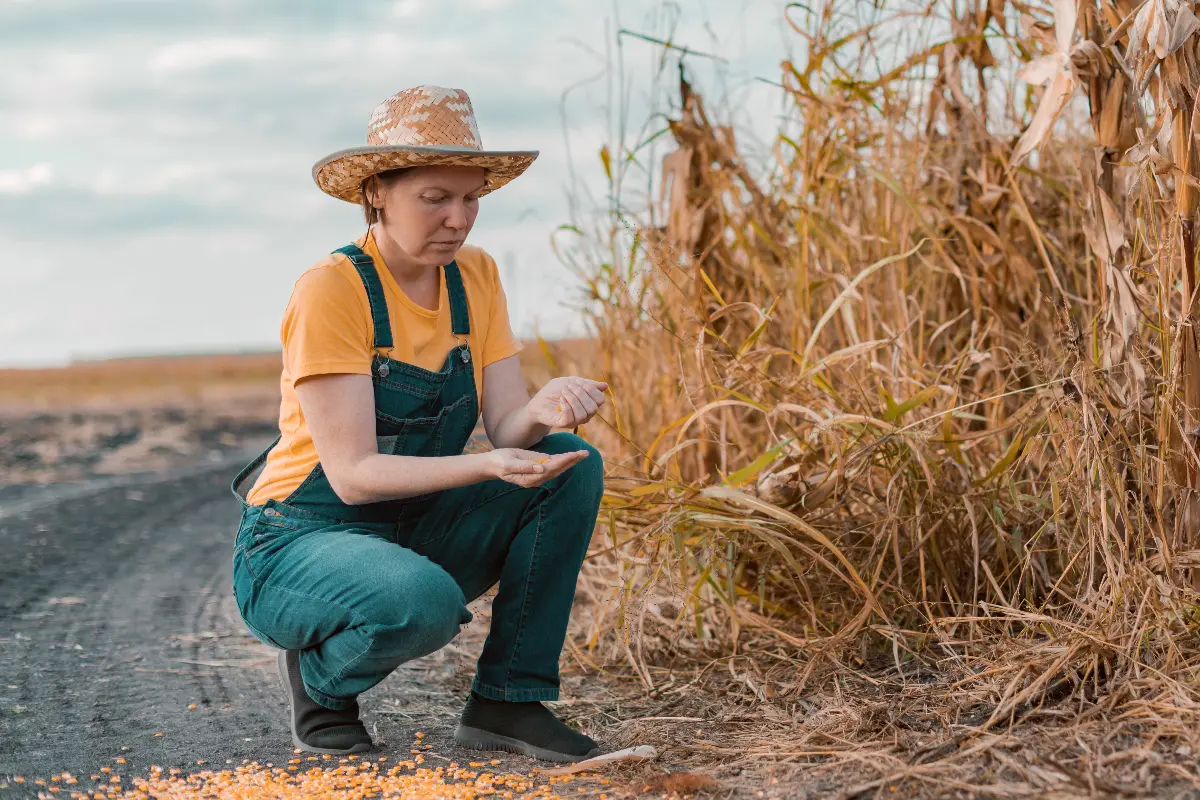
For starters, our morning rituals may have shifted without us fully realizing it. The coffee you enjoy each day is cultivated in a delicate balance of temperature and precipitation, and as climate change disrupts weather patterns, coffee production is affected. Increased incidences of drought, altered rain patterns, and the proliferation of pests—like the coffee berry borer—have the potential to diminish coffee yields and quality, making your beloved morning brew more expensive and possibly less satisfying.
Moreover, the fruits and vegetables at your local market are also whispering tales of climate change. With changes in growing seasons, some crops are subjected to more intense weather conditions, which can lead to lower nutritional profiles. Subtle shifts in taste and texture may also arise from these changes, gradually altering the sensory experience of your meals.
Your wardrobe decisions aren't immune either. The fashion industry, often criticized for its environmental toll, is experiencing shifts in production due to unpredictable weather conditions. Traditional cotton, for instance, requires plenty of water and is sensitive to weather extremes, potentially leading to a rise in the use of synthetic fibers, which have their own environmental considerations. As a result, the same white cotton tee you’re accustomed to wearing may carry the hidden costs of climate change, from its ecological footprint to its retail price.

Moving beyond what we consume, climate change is also reshaping our health landscape. Higher temperatures have led to an increase in heat-related illnesses and have extended the range and season of various allergens, particularly pollen. Allergy sufferers might find themselves reaching for antihistamines more frequently and for longer periods throughout the year. Additionally, as warmer temperatures facilitate the proliferation of disease-carrying vectors like mosquitoes and ticks, diseases that were previously relegated to specific geographic regions, such as Zika or Lyme disease, are now creeping into new areas.
Let's consider your mental health as well. It's becoming evident that the psychological burden of climate change is tangible. The existential dread of a changing planet, known as eco-anxiety, can contribute to a state of chronic stress for some individuals. Research is increasingly exploring the materialization of this distress in society, showing it's not just an individualistic sensation but a collective emotional response to a global concern.
Experiencing more moody weather? This isn't your imagination acting up. Climate change has been associated with more erratic weather patterns, leading to unprecedented storms, floods, and droughts. The frequency of these events can take a toll on our daily lives, influencing our commuting patterns, leisure activities, and overall mood. For instance, the increased intensity of downpours can affect transportation and infrastructure, leading to more stress and inconvenience as you navigate your already busy day.
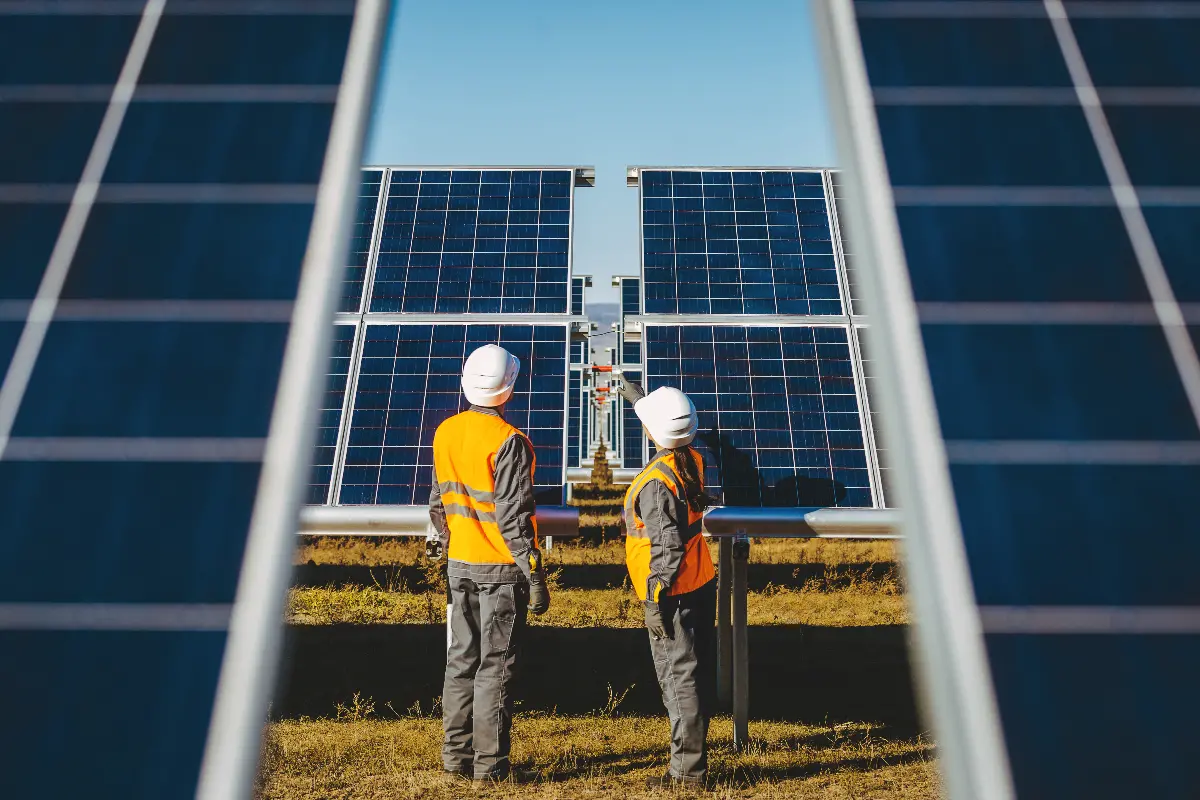
In the realm of work and economy, be prepared for climate change-induced pivots. Energy sectors are transforming as they adjust to renewable energy sources, and jobs related to these industries are in a state of flux. Meanwhile, in sectors like agriculture, fishing, and tourism, workers are facing uncertainty as they grapple with altered landscapes and shifting demand.
Lastly, even our social bonds are influenced by climate change. Community interactions can be strengthened or stressed in the face of environmental challenges. In some cases, extreme weather events have brought neighbors together, fostering a shared sense of purpose and community spirit. In others, disputes over resources and differing views on climate policies can create friction within families and communities.
The subtleties of climate change are intertwined with the fabric of our daily lives, influencing the background of every interaction, decision, and sentiment. Although these effects may be less overt than a forest ablaze, they are no less significant. Recognizing the nuanced ways in which our world is shifting encourages more conscious living and reminds us that the choices we make each day—what we eat, wear, and value—are all part of a larger, interconnected system affected by climate change. By paying attention to these subtle signals, we can become active participants in shaping a future that is aware of and responsive to the looming challenge of our changing climate.