


Embark on a culinary journey through the bustling streets of Singapore and you'll quickly discover that Char Kway Teow, a stir-fried noodle dish originally brought to life by the country's early settlers, is more than just a meal—it's a national treasure. This mouthwatering dish has a history as rich as its flavor, and mastering the art of homemade Char Kway Teow can be your ticket to experiencing one of Singapore's best-loved culinary experiences right from your own kitchen.
At its core, Char Kway Teow incorporates flat rice noodles (kway teow) stir-fried with eggs, a mix of Chinese sausages, prawns, bean sprouts, and chives, all enveloped in a delectable dark soy sauce. The secret to its distinctive taste? A balance of sweet, salty, and smoky flavors, usually achieved through the traditional method of cooking over a searingly hot open flame, also known as “wok hei”—the breath of the wok.
 POKE THEORY
 CAT & THE FIDDLE
 ICE LAB
 KOHI ROASTERY & COFFEE BAR
 TUK TUK CHA
Aspiring home chefs may wonder: how can one replicate the bustling hawker centers' atmosphere and flavors within the relatively orderly bounds of a home kitchen? The answer lies in understanding the ingredients and techniques that make Char Kway Teow a signature Singaporean dish.
First and foremost, it's essential to use the right type of noodles. Fresh kway teow noodles are preferable for their soft texture and superior ability to absorb flavors. For those outside of Singapore, these noodles can often be found at Asian grocery stores, and while dried versions or other flat rice noodles can be used as a substitute, the texture and flavor will differ slightly.
Next, the selection of add-ins plays a pivotal role in creating an authentic taste. Traditional Char Kway Teow includes blood cockles, a small type of shellfish that provides a unique burst of seawater flavor. However, these may be hard to come by, and prawns often serve as a more accessible alternative, lending a similar seafood richness to the dish. Chinese lap cheong (sausage), fish cake slices, and fresh bean sprouts add layers of texture and umami, while crispy bits of deep-fried pork lard can elevate the dish to indulgent heights. For the health-conscious, the pork lard can be omitted or replaced with vegetable oil.
The true alchemy of Char Kway Teow comes from its seasoning. A blend of dark and light soy sauce imparts color and a nuanced salty sweetness, while a spoonful of oyster sauce contributes depth. Many hawkers also add a dash of fish sauce and a pinch of white pepper to enhance the flavor profile. A not-so-secret ingredient that might surprise the uninitiated is a small amount of ketchup or chili paste, which adds a slight tang and heat to the dish, currying favor with those who appreciate a spicy edge.
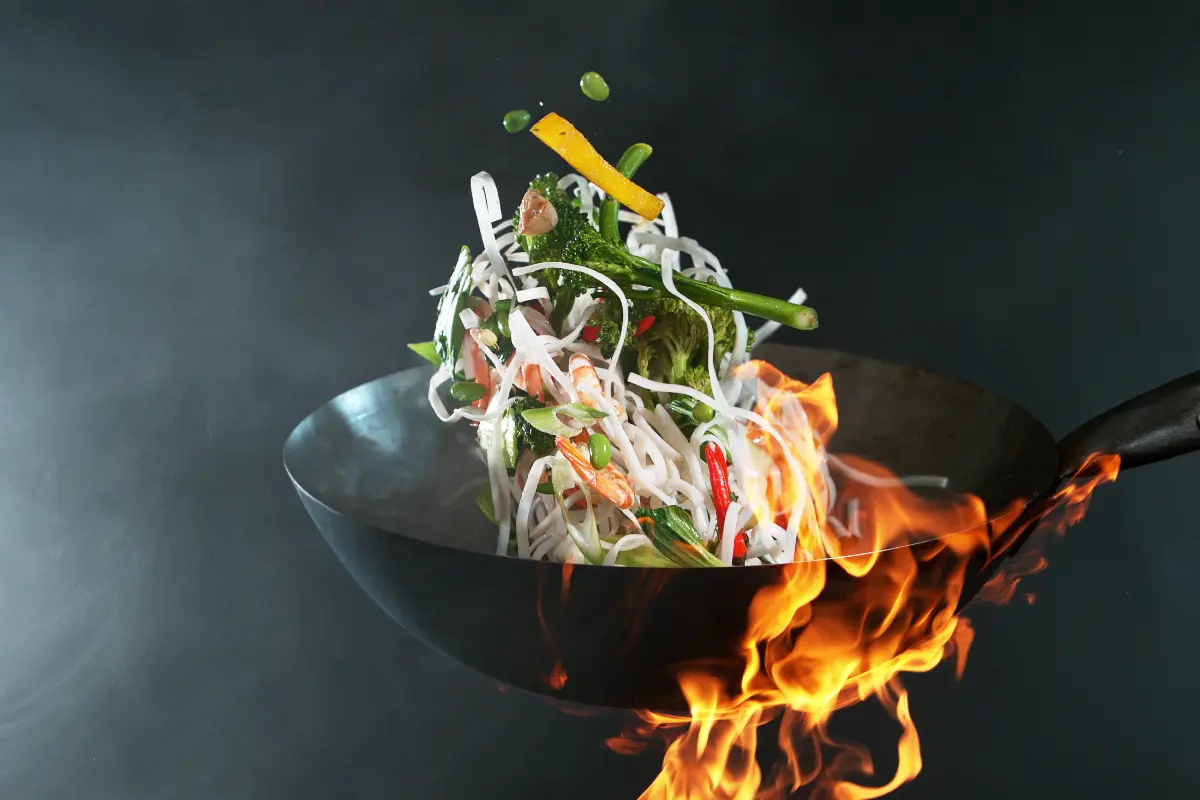
When it comes to perfecting Char Kway Teow at home, mastering the stir-fry technique is key. The key, quite literally, is in the heat. High heat gives the ‘wok hei’, that definitive charred aroma—difficult to replicate with a standard stove but not impossible. The stove should be at its highest setting, and the noodles should be cooked briskly, ensuring they char ever so slightly without burning. Cook in small batches to prevent the noodles from steaming rather than frying, another tip to approximate that tantalizing ‘wok hei’.
If one has the luxury of a well-ventilated kitchen or outdoor cooking space, a portable gas stove with a high heat output can offer a closer approximation to the hawker center methods. It's also worth noting that the cooking process is a quick one, often taking less than ten minutes from start to finish. Having all ingredients prepared and within arm's reach is essential to avoid a last-minute scramble that could result in overcooked noodles or undercooked additions.
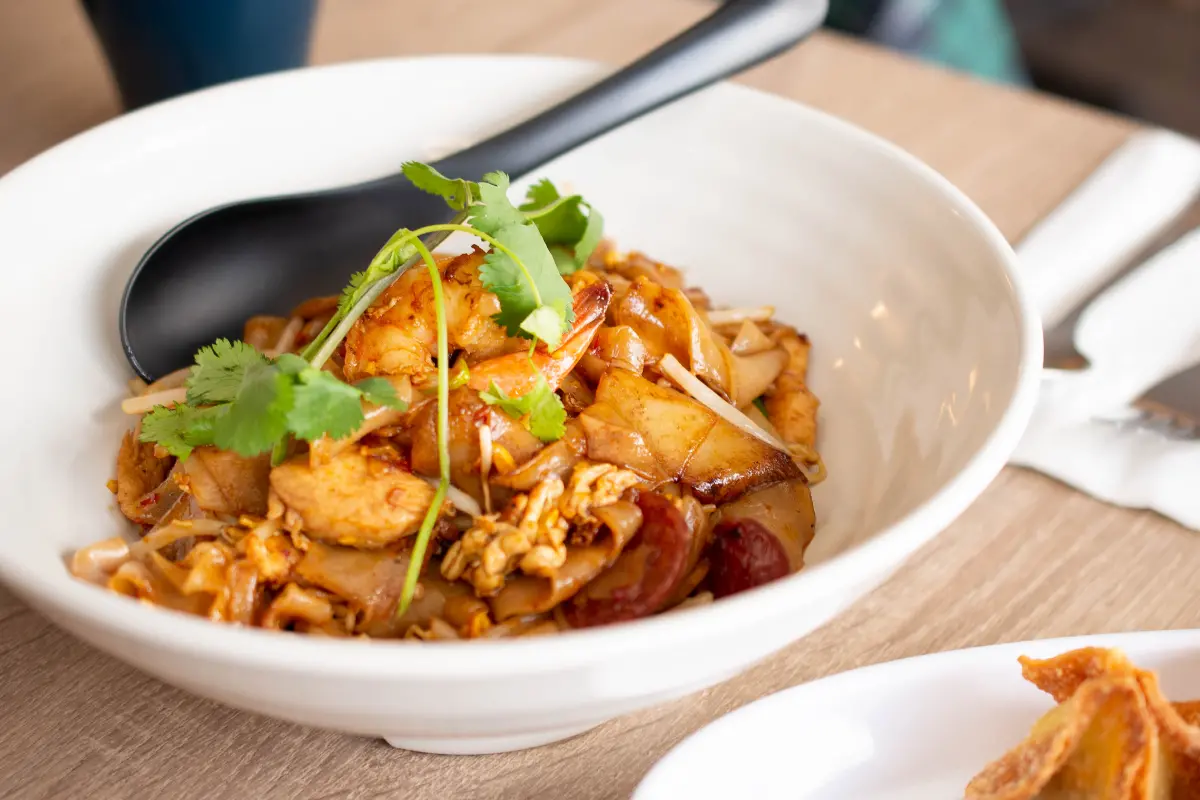
The perfect Char Kway Teow is moist but not soggy, with each strand of noodle coated in the rich, dark sauce and bearing the smoky signature of ‘wok hei’. Achieving this balance might take a few practice rounds, but once mastered, it bears the rewarding taste of accomplishment.
Let's not forget the finishing touches—a smattering of fresh Chinese chives and a squeeze of lime for a zesty kick. These elements brighten the dish and provide a contrast to its deep flavors. The appeal of Char Kway Teow lies in this complexity of tastes and the harmony with which they come together on your palate.
Singapore's hawker culture, which earned it an inscription on the UNESCO Representative List of the Intangible Cultural Heritage of Humanity, celebrates dishes like Char Kway Teow. While taking the time to explore and learn to make such iconic dishes at home, we partake in and perpetuate the same age-old traditions that have made Singapore's food scene a gastronomic tapestry revered around the world.
So the next time you find yourself yearning for a taste of Singapore, consider taking a culinary challenge by creating your own homemade Char Kway Teow. It is a journey that not only promises a delicious destination but also provides a deeper understanding of the rich culture and history that simmer beneath the surface of this iconic Singaporean dish. Alongside the satisfaction of stirring up your own batch, you might just stir a newfound appreciation for the diversity and ingenuity of Singaporean cuisine.