


In the quest for maintaining a healthy lifestyle, understanding carbohydrates—the sugars, fibres, and starches found in many foods—is essential. Labelled as either "good" or bad," carbs are a crucial part of our diet, fueling our bodies with energy. But are all carbs created equal? Not quite. Knowing the difference between good and bad carbs can impact your energy levels, weight, and overall health.
Good carbs, or complex carbohydrates, are found in foods such as whole grains, vegetables, fruits, and legumes. They are called "complex" because they contain long chains of sugar molecules, which take the body longer to break down and use. This slow process provides a steady release of energy, prevents spikes in blood sugar, and helps keep you feeling full longer. Additionally, these carbs carry a valuable load of nutrients and fibre, which aid in digestion and can help lower the risk of chronic diseases like diabetes and heart disease.
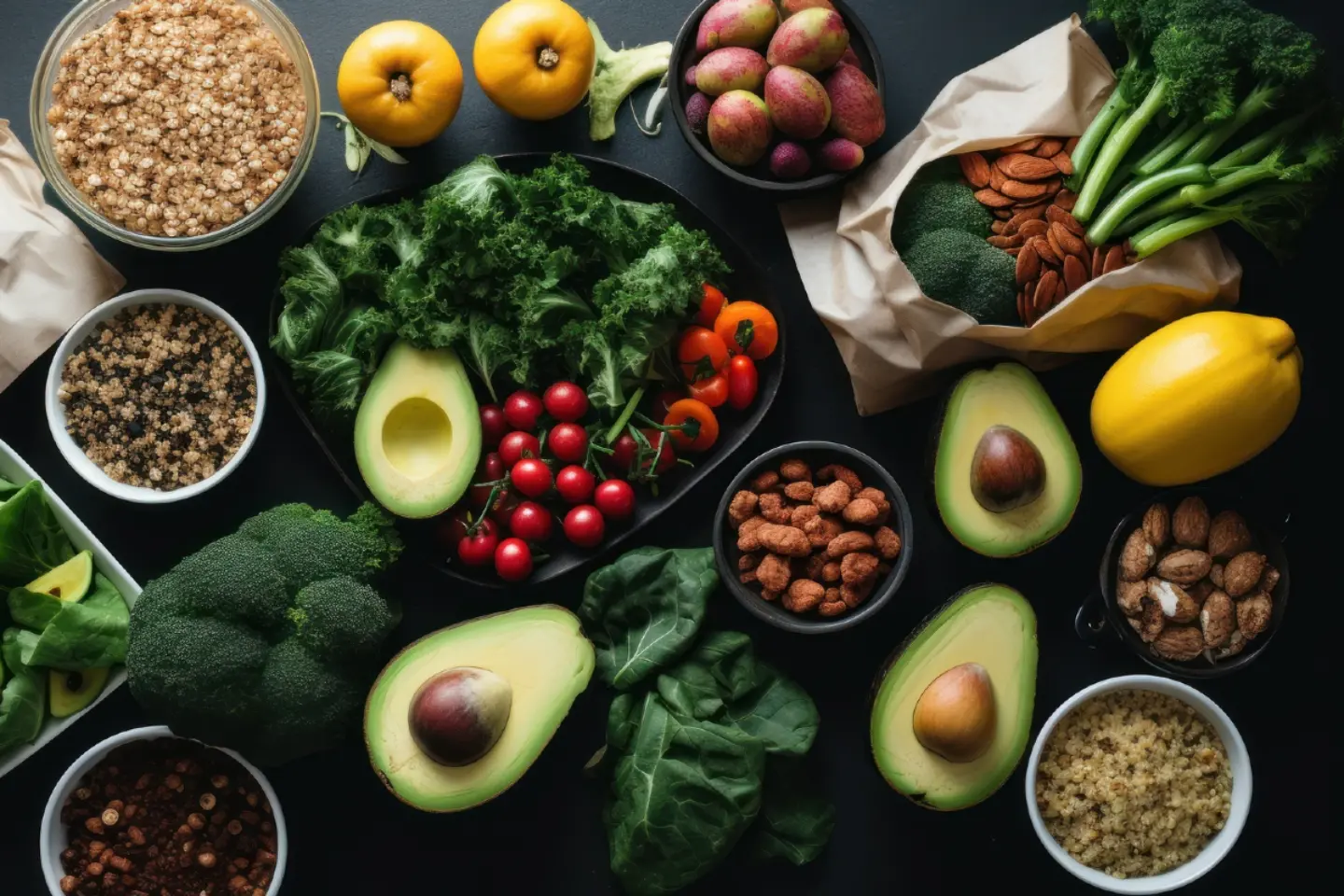
Let's break it down: Whole grains, such as brown rice, quinoa, and whole-wheat products, retain the natural fibres, vitamins, and minerals that are often stripped away in their refined counterparts. The fibre found in whole grains contributes to a healthy digestive system and can also contribute to maintaining a healthy weight.
Legumes, such as beans, lentils, and chickpeas, are not just good sources of carbohydrates but are also rich in protein. This macronutrient tandem supports muscle growth and repair and can be particularly beneficial for those who may not consume meat.
Fruits and vegetables, while also carbs, come with high levels of antioxidants, vitamins, minerals, and fiber. These are the powerhouse foods that offer protection against various diseases. The natural sugars found in fruits such as apples, berries, and bananas are accompanied by fibre, which helps minimise blood sugar spikes and promotes satiety.
Now, let's juxtapose these with what are commonly called bad carbs—these are simple carbohydrates that have been processed and refined. They are often found in sugary drinks, pastries, white bread, and other highly processed foods. The problem with these carbs is that they are stripped of their natural fibres and nutrients, which makes them quick to digest, leading to rapid spikes in blood sugar and insulin levels. These spikes and subsequent drops can lead to a cycle of short-lived energy bursts followed by crashes, which may lead to overeating and weight gain over time.
Moreover, when consumed in large amounts, simple carbs can lead to an increased risk of type 2 diabetes, obesity, and heart disease. For those looking to maintain a healthy lifestyle, it is advised to limit their intake of such foods and beverages.
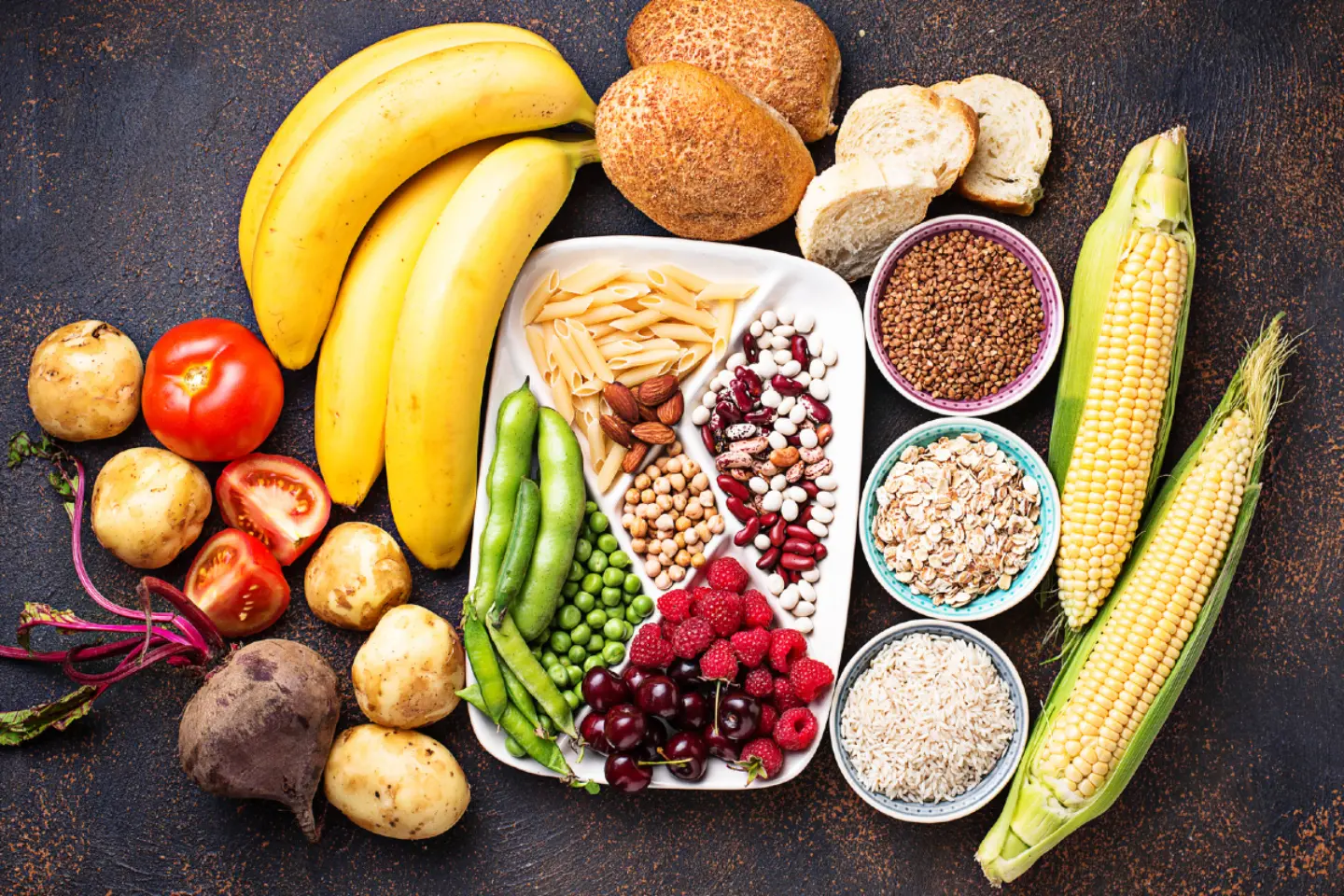
However, it's important not to demonise all simple carbs. For example, the natural sugars found in dairy products and certain fruits provide essential nutrients that the body needs. It's the added sugars and refined grains that are the culprits to watch out for.
So, how can we make smarter choices? Start by reading nutrition labels. Look for products with whole grains as the first ingredient, and be wary of words like 'enriched flour' and 'high fructose corn syrup'—indicators of refined grains and added sugars. Furthermore, pay attention to the fibre content; a higher fibre content generally indicates a more complex carbohydrate.
When it comes to every meal, aim for balance. Incorporate a good mix of carbohydrates, protein, and healthy fats. This balance not only provides sustained energy but also helps with satiety. For instance, pairing brown rice with grilled chicken and a side of mixed vegetables is a well-rounded meal, providing the body with complex carbs, protein, and essential vitamins and minerals.
If you're unsure about how to include good carbs in your diet, consider consulting a dietician or a nutritionist. They can provide you with personalised advice on how to balance your carb intake with your specific health goals in mind.
Finally, it's equally essential to make lifestyle changes that go beyond your diet. Regular physical activity, managing stress, getting enough sleep, and maintaining social connections contribute significantly to a healthier lifestyle.
In closing, carbs are not the enemy. Good and bad carbs have their places in our diets, but the key is to recognise which is which and make informed choices. By understanding the impact of carbs on our bodies, we can eat smarter, feel better, and lead a more balanced and healthy life. Whether you're looking to shed pounds, boost your energy, or simply maintain a healthy diet, the mantra 'complex is good, simple is sparing' will serve you well on your journey to wellness.