


Basking in the warm glow of a Lisbon morning, there's perhaps no culinary delight more iconic than the humble pastel de nata. This creamy, flaky egg tart has not only conquered the hearts of the Portuguese but has journeyed far beyond to become a global sensation. Fortunately, you don't have to book a flight to Portugal to savour this sweet treat, as you can create authentic pastel de nata at home. In this step-by-step guide, we will unravel how to craft these delectable pastries so you too can enjoy a slice of Portuguese heaven anywhere, anytime.
The legend of the Pastel de Nata begins in the 18th-century monasteries of Portugal. Monks, amid the serene corridors of the Jerónimos Monastery in Belem, originally crafted these tarts as a means to utilise leftover egg yolks, a theory born from their use of egg whites to starch their clothes. Today, the secret recipe of the original pastéis de Belém, a slightly different version, is guarded by a select few, but variations of this sweet have found their way into bakeries and kitchens around the world.
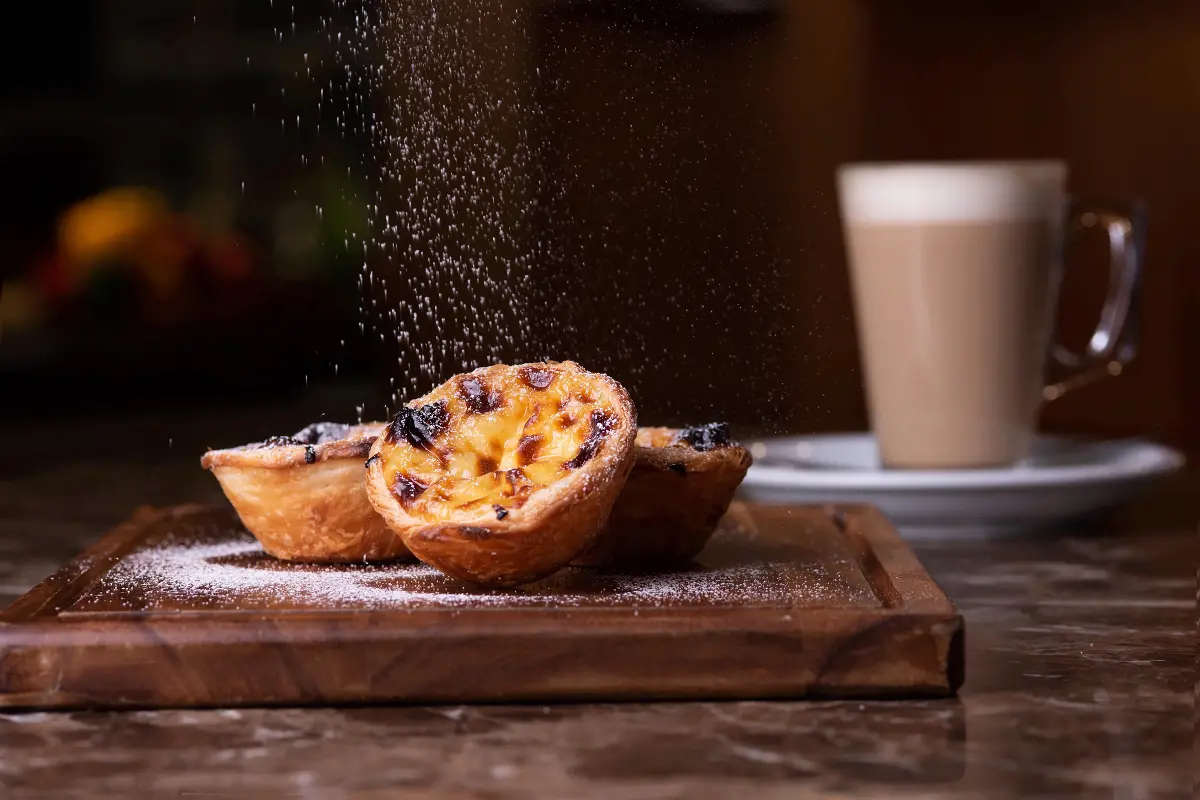
Before embarking on your pastel de nata journey, it’s essential to understand the two critical components: the crisp, puff pastry shell and the creamy, sweet custard that sits within. Achieving perfection in both elements is crucial to creating the authentic pastel de nata experience.
The Puff Pastry Shell
While store-bought puff pastry can work in a pinch, nothing beats homemade when striving for authenticity. To create the traditional shell, you'll need all-purpose flour, cold unsalted butter, salt, and cold water. The goal is to create a dough with numerous flaky layers, all leading to that distinctive crunch.
1. To begin, mix flour and salt in a large bowl. Add small cubes of cold butter, and then rub the mixture between your fingertips until it looks like breadcrumbs.
2. Gradually add ice-cold water and mix until you have a smooth dough.
3. Roll out the dough into a rectangle on a lightly floured surface, fold it into thirds like a letter, then rotate 90 degrees. Repeat this process about five to six times to build the layers, chilling the dough for 30 minutes between each set of folds to ensure the butter stays firm.
The Custard Filling
The filling is a heavenly concoction of milk, cream, sugar, eggs, and a hint of vanilla and cinnamon. Its creamy texture and rich flavour are what set pastel de nata apart from any ordinary custard tart.
1. Start by heating the milk and cream in a saucepan with vanilla and a cinnamon stick until it's hot but not boiling. This infuses the milk with flavour.
2. In a separate bowl, whisk sugar, egg yolks, and a dusting of flour until the mixture is pale and slightly thickened.
3. Remove the cinnamon stick and slowly pour the hot milk mixture into the egg mixture, continually whisking to prevent the eggs from scrambling.
4. Once combined, strain the liquid to ensure a smooth custard and let it cool.

Assembling and Baking
With both components prepared, we move on to the most exciting phase: assembly and baking.
1. Preheat your oven to a high temperature, typically around 260°C (500°F). The blast of high heat is the secret to achieving the slightly charred spots on the custard, synonymous with the genuine article.
2. Take the chilled puff pastry and roll it into a log, then cut it into circular pieces.
3. Place the dough pieces into a muffin tin, pressing them into the shape of the tin. Be sure the pastry comes up to the edges; you'll want a generous amount of crust to contain the custard.
4. Spoon the cooled custard into each pastry cup, filling them to about three-quarters full, allowing room for the filling to expand.
5. Bake in the pre-heated oven for 15-20 minutes or until the pastry is golden and the custard has puffed up, with spots of caramelization.
Finishing Touches
To finish the pastel de nata, remove them from the oven and allow them to cool for a few minutes. Some choose to dust them with powdered sugar and cinnamon, adding another layer of sweet complexity, while others prefer the unadulterated taste of the tart.
Enjoying Your Creation
Pastel de nata is best served warm, with its flaky crust and creamy custard providing a textural symphony in each bite. Pair them with a strong coffee for an authentic Portuguese experience or a glass of port wine for a truly indulgent moment.
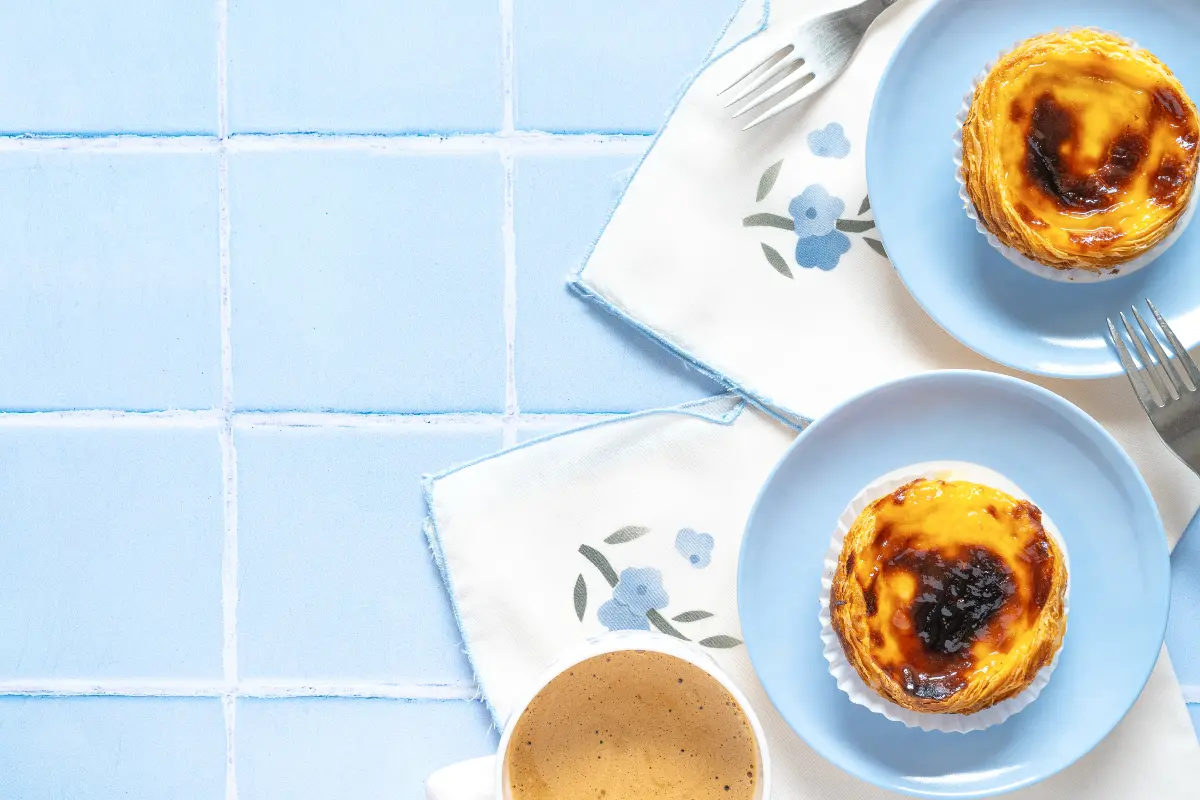
And there you have it—an authentic pastel de nata that should transport you to the cobbled streets of Lisbon with every mouthful. While the process may have numerous steps and require attention to detail, the results are undoubtedly rewarding. Whether enjoyed as part of a family feast or as a solitary treat alongside your afternoon tea, these pastries are sure to impress.
Through this guide, you now hold the key to one of Portugal’s most cherished culinary treasures. Embrace the challenge and enjoy the delicious rewards. Bon appétit, or, as they say in Portugal, bom proveito!