


In the world of driving, control is the golden ticket to not only safety but also to an enjoyable driving experience. Whether you're cruising along the bustling roads or taking on the curves of a scenic route, having a proper handle on your vehicle is paramount. Among the various challenges that drivers may encounter, torque steering is a phenomenon that can catch many off guard. It's essential to understand what it is, why it happens, and how to mitigate it for improved driving control.

Torque steer is a term familiar amongst car enthusiasts but may be slightly obscure to daily drivers. It refers to an unintended and sometimes surprising pull of the steering wheel to one side when accelerating. This is notably common in front-wheel-drive vehicles and can occur during heavy acceleration or when there's a substantial increase in power output.
But what exactly causes torque to steer? To put it simply, it's typically a result of an uneven distribution of power to the driving wheels. When one front wheel receives more torque than the other, it can lead to the car veering off the intended straight line. This uneven distribution can stem from aspects such as differences in wheel traction or unequal driveshaft lengths.
The uneven distribution can also be exacerbated by factors like the engine's power characteristics, the types of tyres used, their condition and inflation levels, and even the road's surface. High-performance front-wheel-drive cars with significant torque are more prone to this experience due to the greater power being sent through the front wheels.
Now for the good part: How do you handle or prevent torque steer for a smoother, more controlled drive? Here are some expert tips to keep in mind.
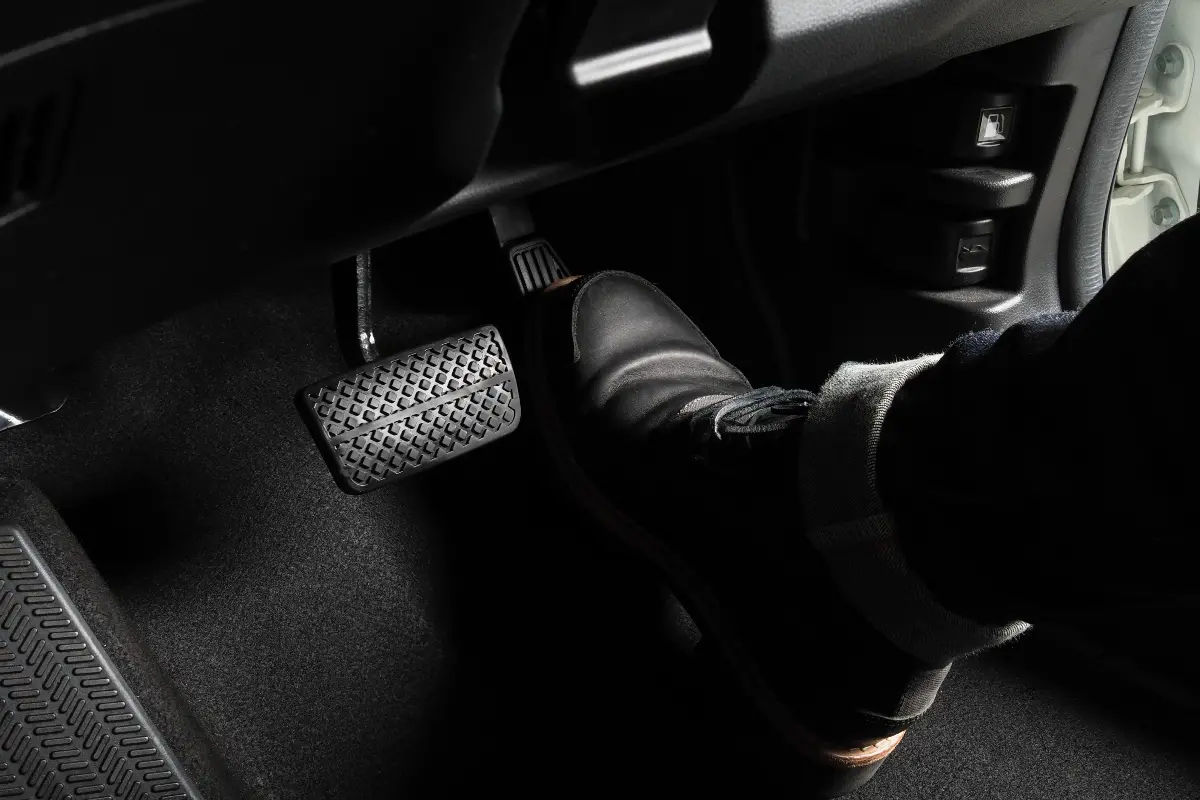
Firstly, gradually applying the throttle can help minimise the effect. By avoiding sudden acceleration, you give your vehicle a chance to distribute power more evenly, which combats the pull. It's all about being gentle with your inputs; smooth driving is not only safer, but it also keeps torque steer at bay.
Next, tyre maintenance is integral. As grip is a major player in torque steering, ensuring your tyres are in optimum condition is crucial. Regularly check and correct your tyre pressure to the manufacturer's recommendation and ensure they have good tread. Mismatched tyres or incorrect pressures can significantly contribute to this unruly behaviour.
Suspension setup is also a critical element. A well-maintained and properly tuned suspension system allows your vehicle to handle increased torque more effectively. Regular checks and alignments can prevent unnecessary torque steer and enhance overall vehicle control.
If you're in the market for a new car and concerned about torque steer, consider models with limited-slip differentials or those that employ torque-vectoring technology. These advanced systems can intelligently distribute power across the wheels to maintain a straight trajectory even under hard acceleration.

Alongside technical adjustments, there's a strong case for good old-fashioned driving skills. Anticipate the conditions where torque steer may occur, such as merging onto a highway or overtaking, and adjust your grip on the steering wheel accordingly. Keep a firm but relaxed hold, and be ready to counter any pull with smooth corrective steering.
On top of this, upgrading parts can be a beneficial step for car enthusiasts who want a tailored driving experience. Performance upgrades such as stiffer engine mounts, enhanced suspension components, and even aftermarket limited-slip differentials can be installed to combat torque steer. However, consulting with a professional mechanic or automotive specialist is recommended before making any significant modifications to your vehicle.
Some drivers, particularly those with a keen interest in the performance aspects of their cars, may take a deliberate approach to working with torque steer. They learn to anticipate it and can even use it to their advantage on the track. However, for most drivers, especially in the context of everyday commuting and the unpredictable nature of urban driving, minimising torque steer is about enhancing safety, control, and comfort.
There's another angle: Your driving position and ergonomics also play a role. Ensuring that you are seated comfortably, with the steering wheel and pedals within easy reach, allows you to respond to and correct torque steer more efficiently. Proper seating position aids in better vehicle control as it keeps you alert and reduces fatigue.
Finally, it's important to note that while torque steer is predominantly an issue for front-wheel-drive cars, other drivetrain layouts can exhibit similar behaviour due to other factors. All-wheel-drive vehicles, for example, also have complex power distribution dynamics that may require different considerations for control.
In conclusion, understanding and mitigating torque steer involves a blend of technical knowledge, vehicle maintenance, and driving technique. By taking proactive steps to ensure your automobile is in top condition, being mindful of your driving habits, and potentially making strategic upgrades, you can improve your driving control. Remember, whether you’re handling the busy streets or the endless possibilities of the open road, the grip on your vehicle is the essential factor between a tiresome tug-of-war and a seamless journey ahead.