


Crafting authentic ramen at home can seem like a daunting task, only to be attempted by skilled chefs, but with a little guidance and the right ingredients, you can create a bowl of noodles that rivals those of your favorite ramen shop. This complete guide will walk you through everything you need to know to make delicious ramen in the comfort of your kitchen.
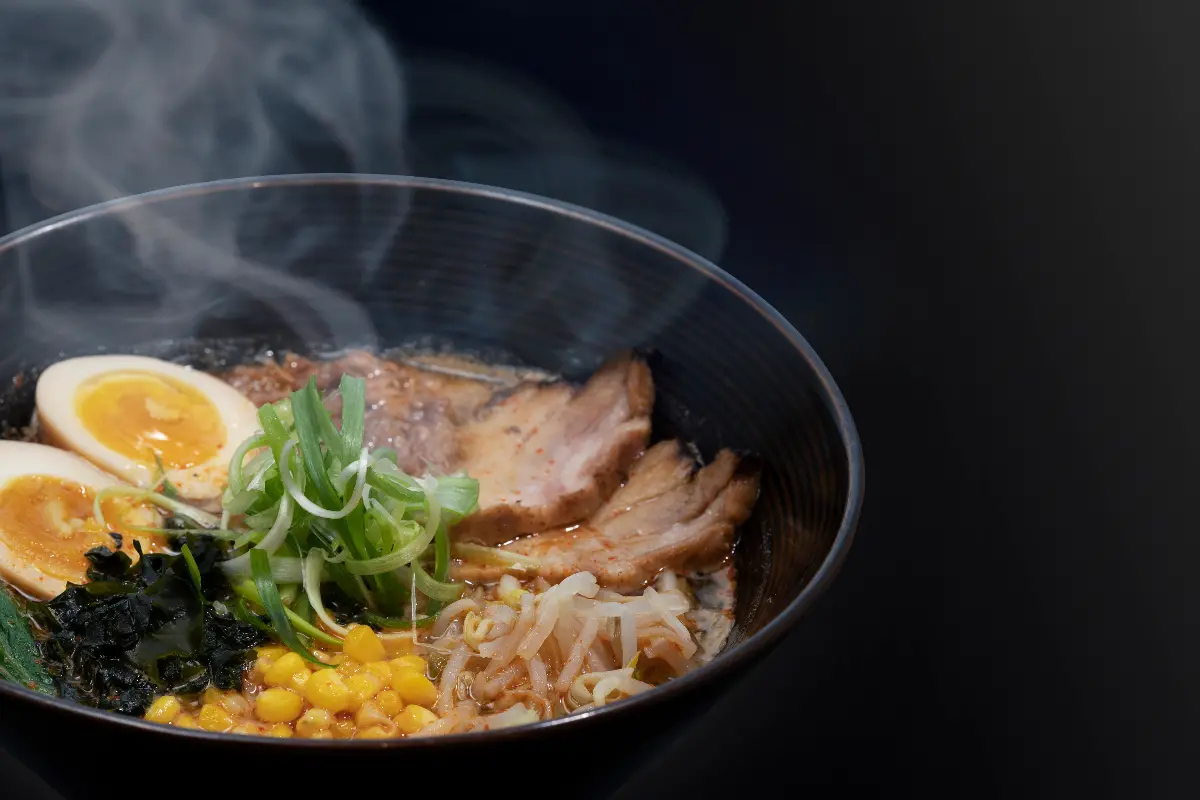
Ramen is a beloved dish with deep roots in Japanese culture. It’s a dish that's both complex in flavor and simple in its comfort. The key components of ramen are the broth, tare (seasoning), noodles, and toppings. Getting each element right is crucial to ensuring your ramen is authentically delicious.
The journey of ramen-making starts with the broth. There are four main types: Shoyu (soy sauce-based), Shio (salt-based), Miso (soybean paste-based), and Tonkotsu (pork bone-based). The type of broth sets the stage for the rest of the flavors in your ramen. A Tonkotsu broth, for example, is rich and creamy and requires boiling pork bones for hours to extract all the flavor. But don't be discouraged if you can't spend all day watching a pot; a Shoyu or Shio broth can be made in less time and still provide a flavorful base.
The tare is the soul of ramen, as it gives the broth its definitive taste. It is a concentrated sauce that can be made from just a few ingredients, like soy sauce, mirin, sake, and sugar. Each ramen shop has its own secret tare recipe, but the key is to balance the saltiness and umami to complement the broth.
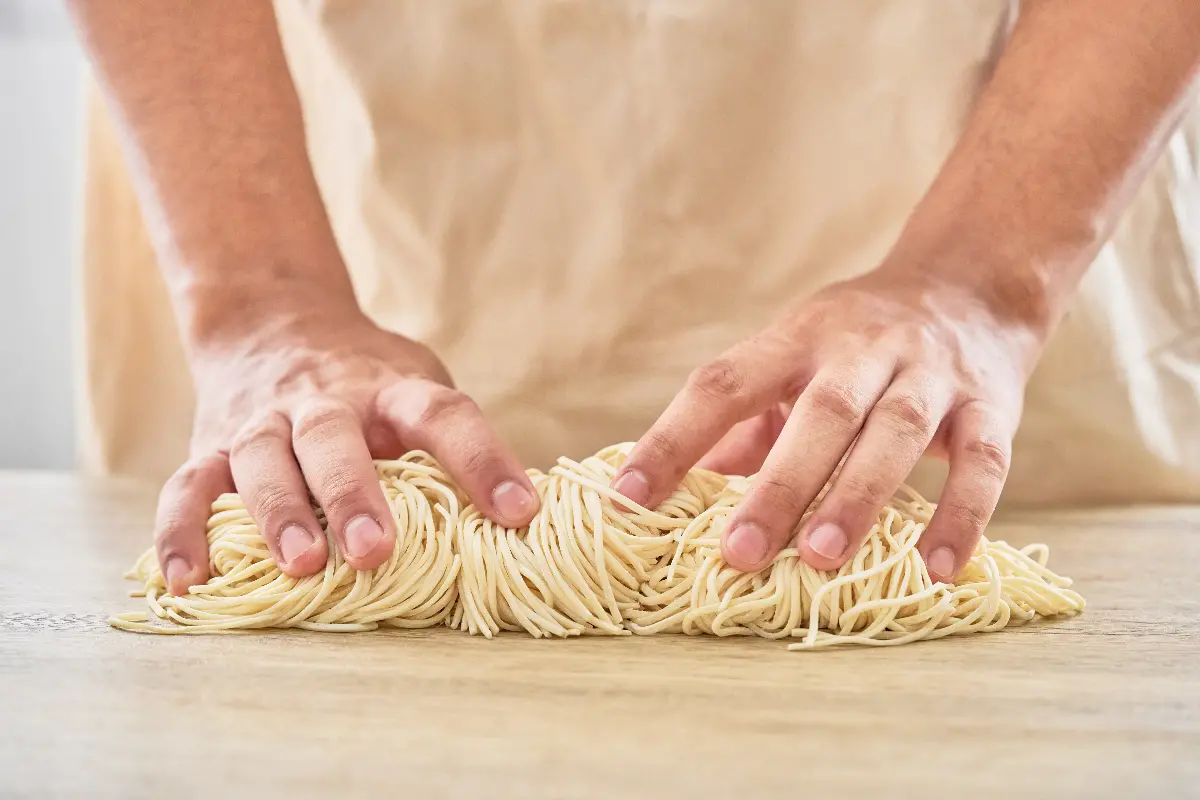
Next come the noodles, arguably the heart of any ramen dish. For the best results, fresh noodles are preferred. Although making them from scratch can be time-consuming, the chewy texture and the way they soak up the broth make it worth the effort. If making your own is too much, high-quality, store-bought fresh or dried ramen noodles can still yield a great bowl of ramen.
No ramen is complete without the toppings, which can range from the classic sliced chashu (seasoned pork belly), boiled eggs (soft or hard-boiled), to vegetables like bamboo shoots, nori (seaweed), and green onions. These toppings should be prepared with care, as they contribute significantly to the overall flavor and texture.
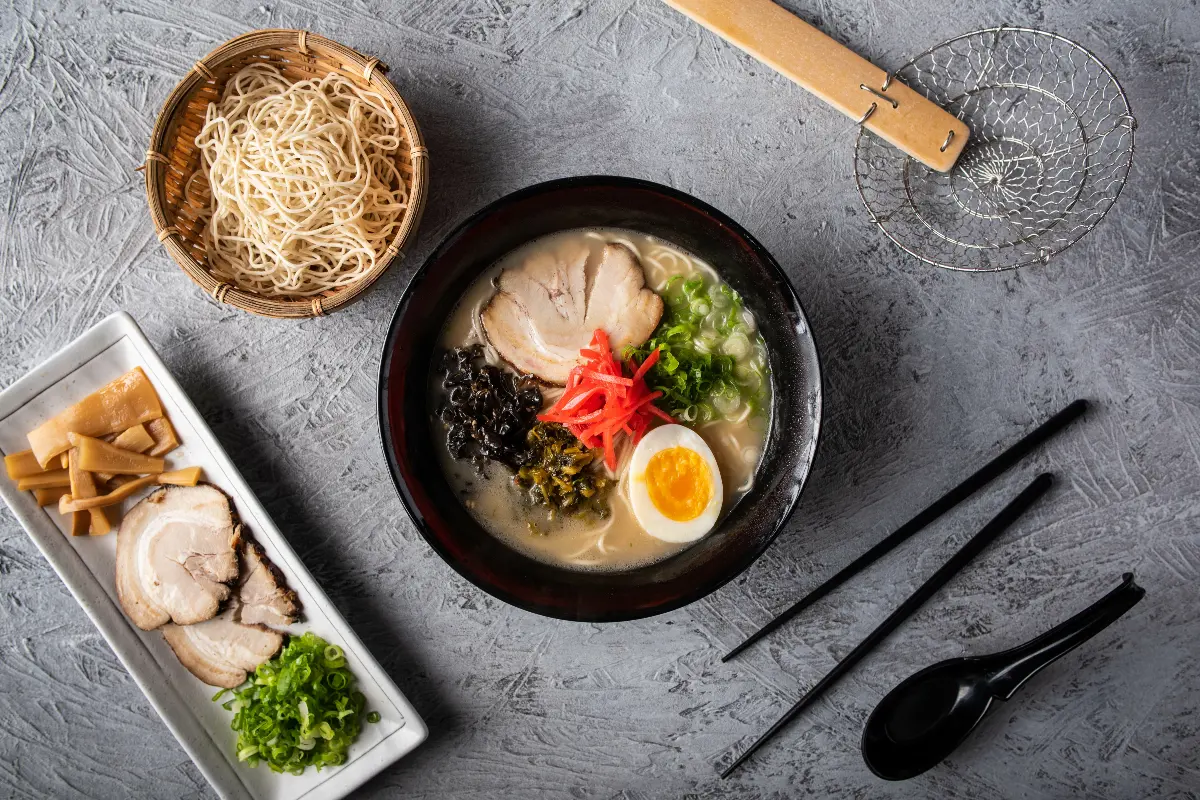
To start your ramen broth, begin by choosing your protein: chicken carcasses, pork bones, or a combination of both for a more complex flavor. Begin by rigorously cleaning your bones; this will ensure a clearer broth. Boil your bones in water for a couple of minutes, and then rinse them to remove any impurities. Next, fill your pot with fresh water, add your bones, and bring everything to a boil. Reduce to a simmer, skimming off any fat or scum that floats to the top. Aromatic vegetables like onion, garlic, and ginger, as well as kombu (dried kelp), can be added to the broth towards the end of cooking for an additional flavor profile.
Creating a tare can be a simple process. Take a small saucepan and combine equal parts soy sauce, mirin, and a splash of sake with a spoonful of sugar. Let it simmer until it thickens into a rich, glossy sauce. This basic tare can be adjusted as per your taste, adding more soy for saltiness or more sugar for sweetness.
Preparing fresh ramen noodles involves mixing high-protein wheat flour, kansui (an alkaline solution that gives the noodles their characteristic chew and yellow color), salt, and water. The dough is rested, then rolled out and cut into thin strands. Precision is key here, as the thickness of the noodles can affect their cooking time and how well they hold the broth.
As for your toppings, start by marinating your chashu in soy sauce, mirin, sugar, and garlic for at least a few hours, preferably overnight. Sear the pork belly on all sides before slowly braising it in the marinade until it's tender enough to melt in your mouth. For the perfect soft-boiled egg, cook the eggs in boiling water for six to seven minutes before transferring them to an ice bath. Then, peel and marinate them in a mixture similar to the chashu for a few hours.
To assemble your ramen, first, dilute your tare with the chosen broth in the serving bowl. Cook your noodles until al dente and add them directly to the bowl. Slice your chashu and arrange it on top of your noodles along with the halved egg and other preferred toppings like bamboo shoots, sweet corn, chopped green onions, or seaweed sheets.
While there is much to learn about making ramen at home, the rewards of sitting down to a bowl crafted with your own hands are immense. Each slurp is a tribute to your dedication to recreating authentic flavors. Like any culinary pursuit, the more you practice, the better your results will be. So gather your ingredients, put on your apron, and start your journey into the delectable world of homemade ramen.