


In the realm of entertainment, the intersection between video games and movies has long been an arena of both excitement and skepticism. The evolution of video game movies is a tale of creativity, technology, and an ever-blurring line between interactive and passive entertainment. It is a journey from pixel to picture, where 8-bit characters have leaped from the confines of our living room TVs to take on a new life on the big screen.
The genesis of this crossover can be traced back to the early 1990s. With the video game industry in full bloom, Hollywood saw an opportunity in these pixelated adventures. The first notable attempt to harness the storytelling of video games for moviegoers was the 1993 film 'Super Mario Bros.' This film, despite its cult following, demonstrated the challenges of adapting a video game's plot—often designed to be experienced over many hours of gameplay—into a ninety-minute movie format. In this case, the whimsical world of the Mushroom Kingdom struggled to translate into coherent live-action scenes, and the disconnect was felt both critically and commercially.
Despite the rocky start, film adaptations of video games continued, with Hollywood gradually developing a more nuanced understanding of the source material. Take, for instance, 'Lara Croft: Tomb Raider' in 2001, which found commercial success. Its balance of adrenaline-fueled action, enigmatic puzzles, and the larger-than-life persona of its protagonist provided a blueprint for video game movies going forward. It underscored the importance of aligning a game's core elements with cinematic storytelling.
Visual effects also played a crucial role in this evolution. As CGI technology advanced, so too did the ability of films to capture the fantastical worlds of video games. 'Final Fantasy: The Spirits Within' in 2001 was a pioneer in this regard, featuring stunning computer-generated imagery that pushed the boundaries of photorealism. While the movie didn't fare well financially, its ambition laid important groundwork for future projects.
The trend of adapting video games into movies really started to gain momentum in the 2010s, as studios began green-lighting projects with higher budgets and more refined scripts. 'Prince of Persia: The Sands of Time' (2010) and the 'Resident Evil' series showcased how diversity in genre—ranging from fantasy to science fiction and horror—could be effectively translated onto the big screen. These films demonstrated that, with the right creative team, video game movies could be more than just fan service; they could be engaging cinematic experiences in their own right.
Yet, even as the quality of these adaptations improved, a persistent hurdle remained: critical acclaim. Many adaptations, while financially successful, failed to resonate deeply with movie critics. Fans often felt the movies missed the mark in capturing the essence of their beloved games.

This prompted the industry to take more audacious steps, leading to the emergence of films that were not direct adaptations but rather took inspiration from video gaming culture itself. 'Wreck-It Ralph' (2012) and 'Ready Player One' (2018) embraced the imaginative and nostalgic appeal of video games, embedding gamers' sensibilities into their narratives. These films highlighted an important epiphany—that video game movies could tap into the broader ethos of gaming without needing to replicate specific title plots.
In more recent years, the pendulum has swung back towards direct adaptations, albeit with a contemporary understanding of what makes them work. 2019's 'Detective Pikachu' and 2020's 'Sonic the Hedgehog' emerged as definitive examples of how to do video game movies right. These movies succeeded by staying true to their origins while also fleshing out the characters and worlds for a film audience, delivering stories that resonated with both hardcore fans and casual moviegoers.
These adaptations point towards a maturing relationship between gaming and moviemaking, where the narrative depth of games is being respected and harnessed like never before. There's an increasing trend of exploring character backstories, expanding on game lore, and paying homage to the gaming culture that birthed these icons.
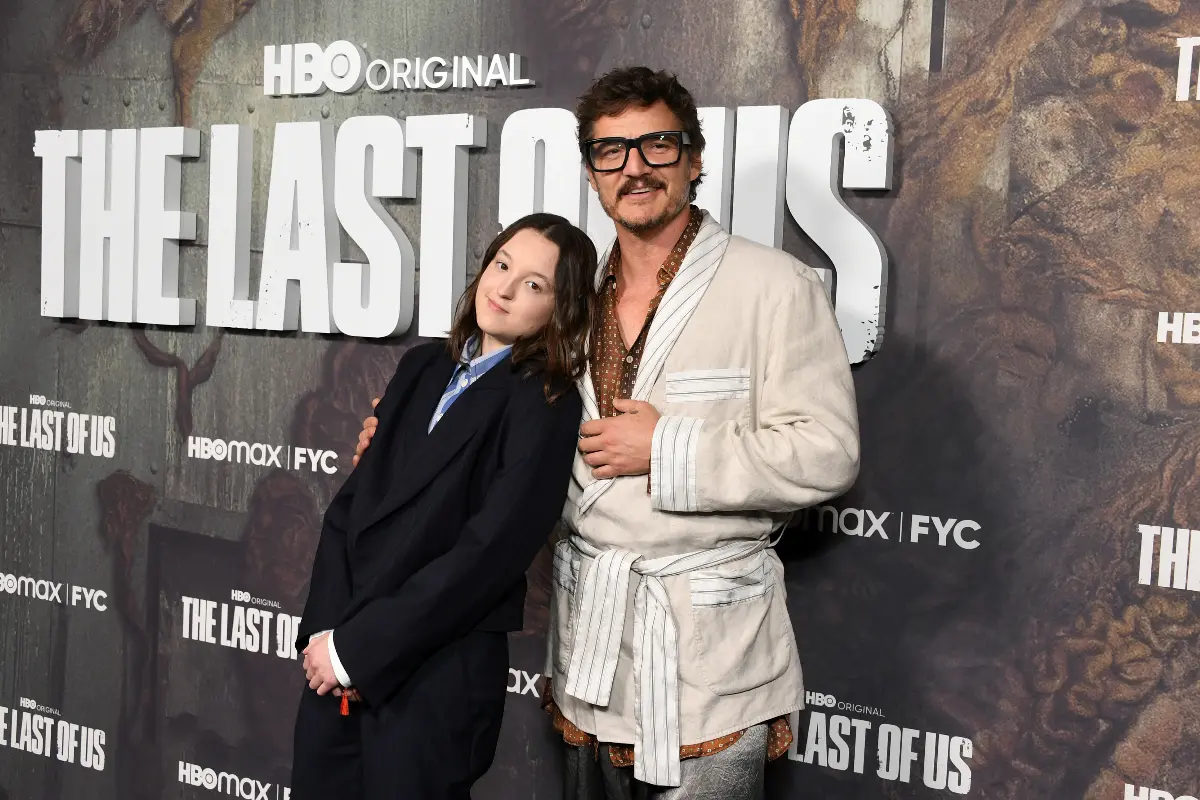
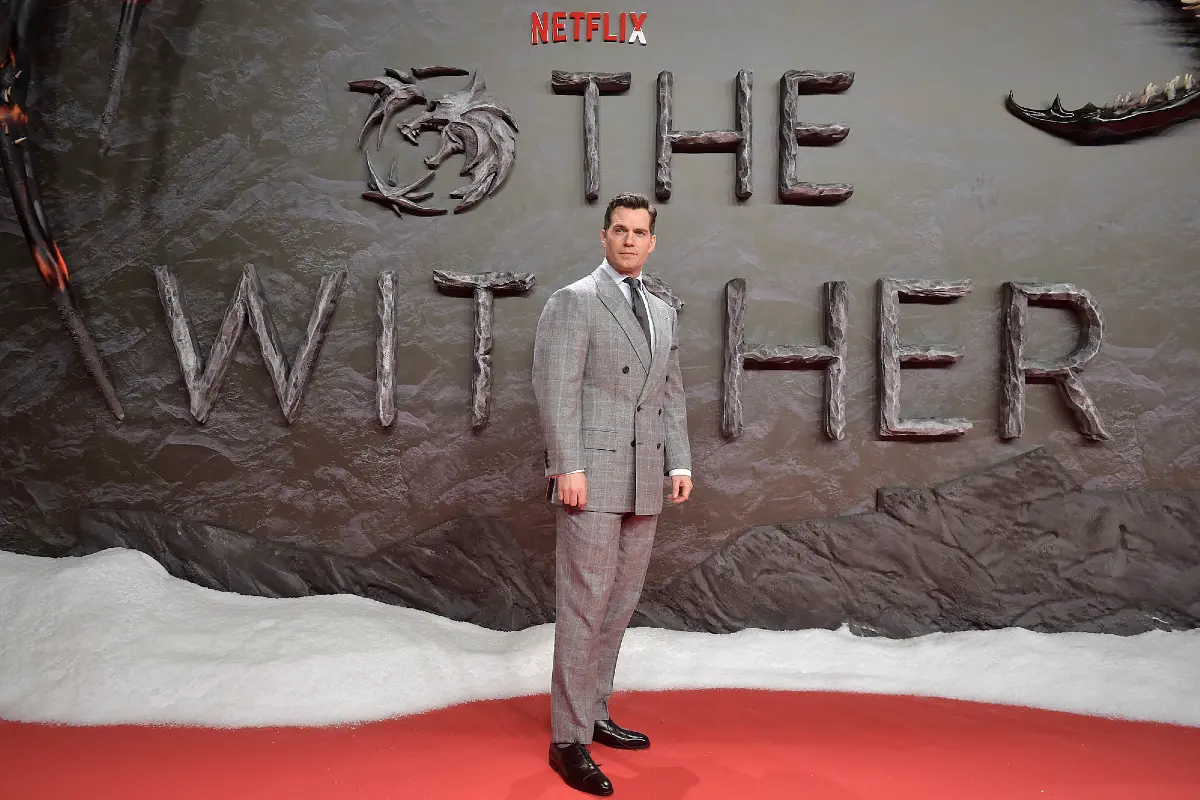
The horizon looks promising for video game movies. Upcoming project like the 'Mortal Kombat' reboot is being approached with careful consideration of what made their game counterparts successful. Additionally, the streaming revolution opens up new avenues for storytelling, allowing for longer, episodic adaptations of games, as seen with 'The Witcher' on Netflix, which, although originally a book series, gained immense popularity through its video game adaptations.
The intriguing evolution of video game movies reflects a broader journey in entertainment—a journey of trial, error, and eventual mastery. From the blocky, simple graphics of early gaming to the cinematic narratives that now unfold in our virtual escapades, both the film and gaming industries have learned the art of mutual respect and collaboration. Fusing interactive mechanics with cinematic storytelling, the legacy of video game movies is still being written, one frame at a time. As we look to the future, we anticipate an era where the visual splendor of video games is matched only by the compelling stories they inspire on the silver screen—an era where the line between player and viewer becomes wonderfully indistinct.