


Pad Thai has cemented its place not only in Thailand's heart but also on the global stage as a beloved noodle dish. With a harmonious blend of tangy, sweet, umami, and a hint of heat, it captivates the senses with each bite. Often a first-time favourite for many who delve into Thai cuisine, Pad Thai has taken the world by storm, and now it's time to bring this culinary wonder into your home kitchen.
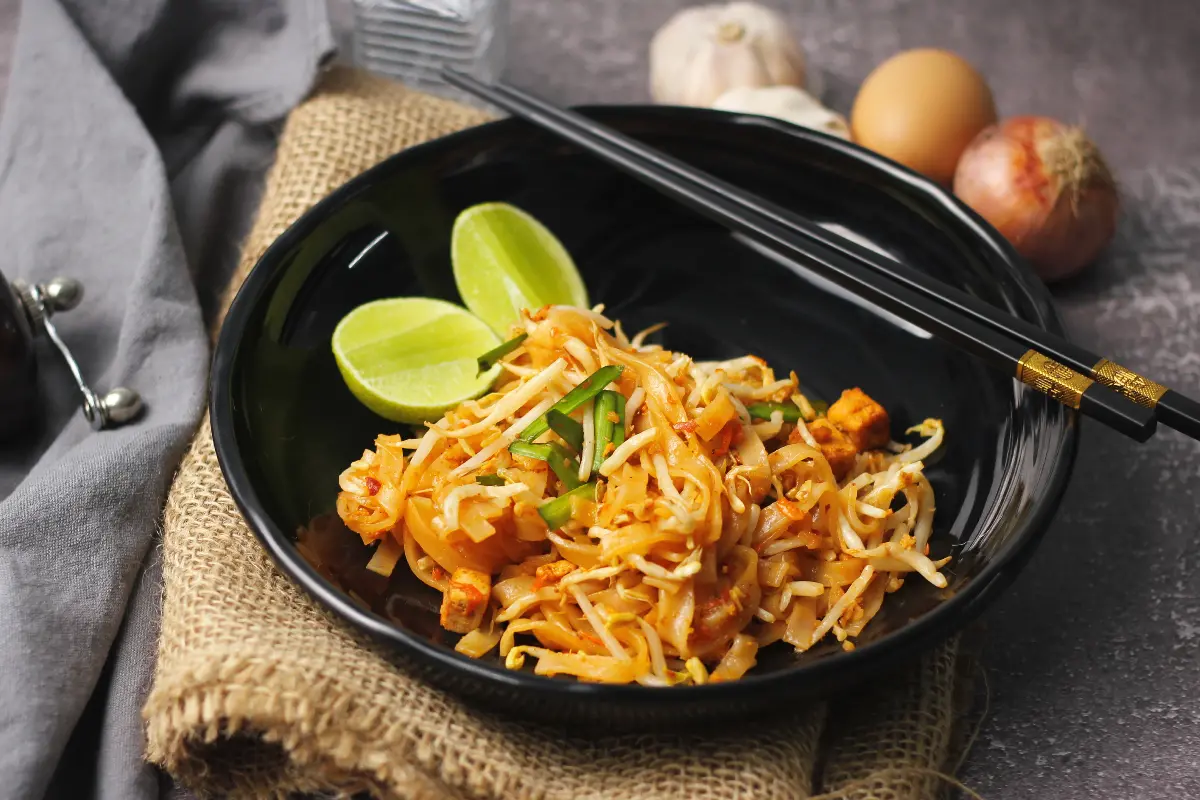
Understanding Pad Thai begins with its core ingredients. Central to the dish are the rice noodles, which are generally flat and can vary in width. These noodles embody the dish, soaking up the flavours while offering a delightful chewiness that's essential to a good Pad Thai. It's important to opt for high-quality rice noodles, as they are the foundation upon which you'll build layers of taste.
The magic truly unfolds within the sauce. The quintessential Pad Thai sauce strikes a balance between sour, sweet, and savory. Tamarind paste provides its trademark tanginess, while palm sugar lends a subtle sweetness to counter the acidity. Fish sauce delivers a depth of flavour, supplying that umami kick that is unmistakably Thai. Some may swap out tamarind for vinegar or palm sugar for brown sugar; however, staying true to the traditional ingredients will help achieve an authentic taste.
To cook the perfect Pad Thai, timing and temperature are your trusted allies. Preparing the ingredients beforehand will allow the process to be both smooth and swift, very much like conducting an orchestra where every component must come in at the right cue. You will begin by soaking the rice noodles in lukewarm water until they are pliable but not fully tender. They'll finish cooking later in the wok, absorbing the sumptuous sauce.
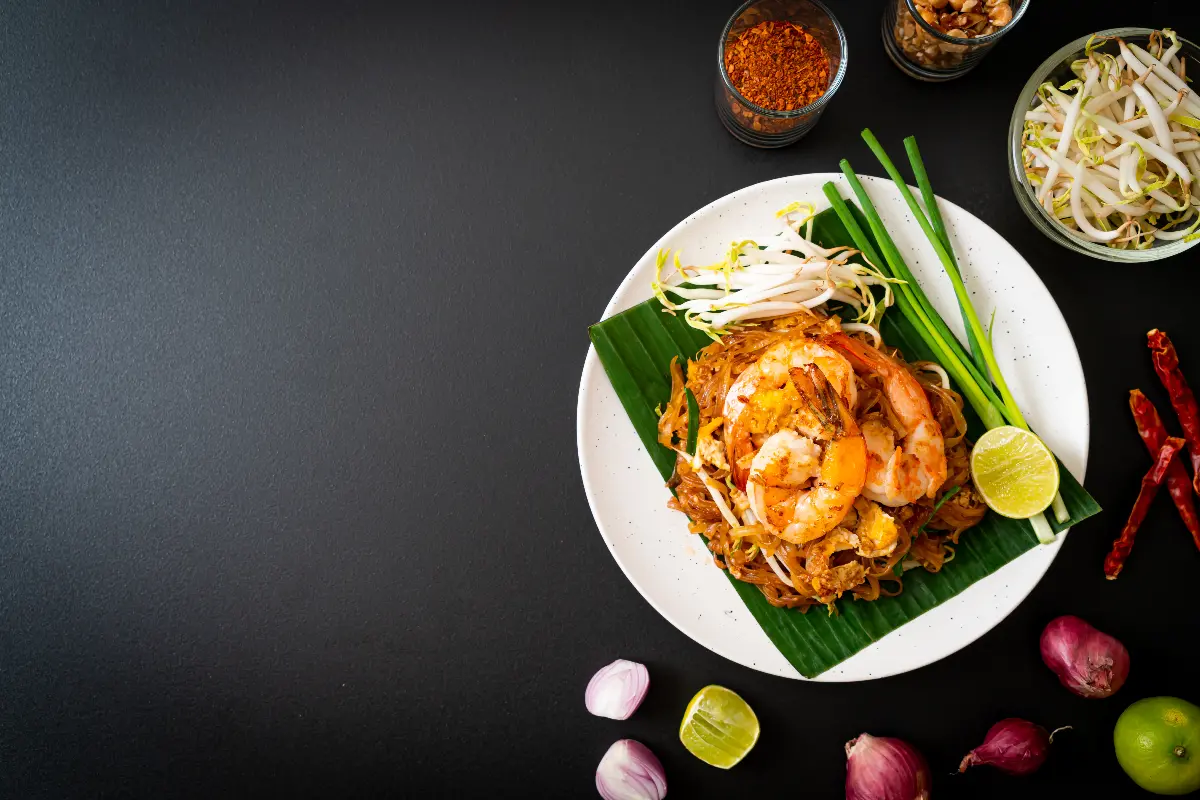
In Pad Thai, each ingredient is treated with respect. Proteins typically include shrimp or tofu, with the former being quickly sautéed until just pink while the latter boasts a golden crust when fried. Eggs follow, scrambled lightly on the side of your wok before integrating with the rest of the ingredients. For an extra layer of texture, you can also include firm tofu or chicken, an addition appreciated by protein lovers.
A rainbow mix of vegetables enters the fray, lending colour and crunch. Classic versions would include bean sprouts, garlic chives, and pickled radishes, each playing their part in adding not only nutrition but also texture contrasts. Freshness is key, so source your vegetables with care.
Toppings and additional ingredients are not merely an afterthought; they serve to personalise each plate of Pad Thai. Roasted peanuts offer a delightful crunch, while a wedge of lime can be squeezed over the dish to brighten it with citrus notes. Furthermore, a sprinkle of chilli powder or fresh chilli adds that desired warmth, allowing those who crave a fiery kick to tailor the heat to their preference.
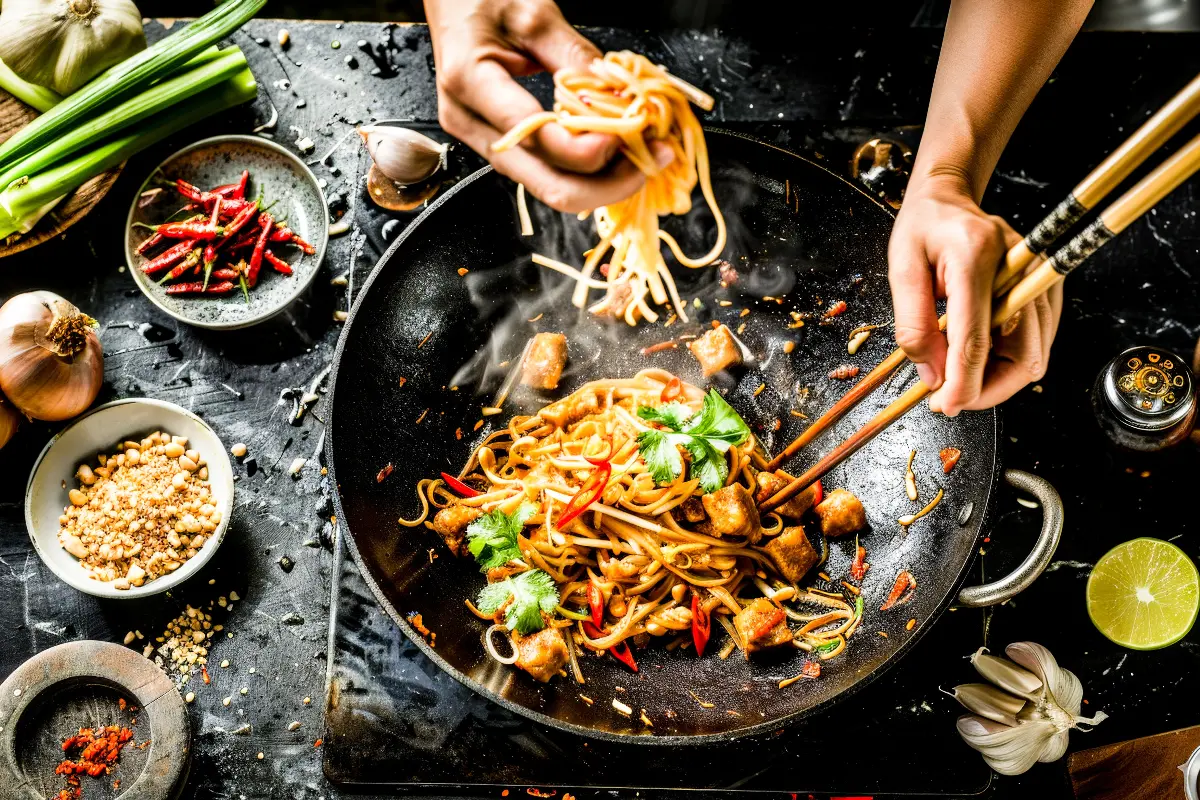
When cooking Pad Thai, the order in which you introduce the ingredients is important to prevent any element from being overcooked or lost amongst the others. Your pre-soaked and drained noodles are added to the pan after the protein and vegetables, swiftly followed by the sauce, allowing everything to fuse together. Constant stirring and tossing are par for the course, maintaining an even cooking temperature and preventing any sticking or burning.
The final result should be a harmonious mix where no single element overwhelms the others. The noodles should be tender, but with a slight bite; the sauce should permeate throughout every strand and ingredient; and the overall dish should glisten slightly, indicative of the right amount of sauce and proper stir-frying. A perfect Pad Thai entices not only with its taste but also with its visual appeal, showcasing a mixture of textures and colours.
For those looking to truly emulate a Thai dining experience, presentation also plays a pivotal role. Serving the dish on a warm plate enhances the aromas, and garnishing with a scattering of chopped peanuts, a few extra bean sprouts, lime wedges, and perhaps a banana blossom provides an added touch of authenticity.
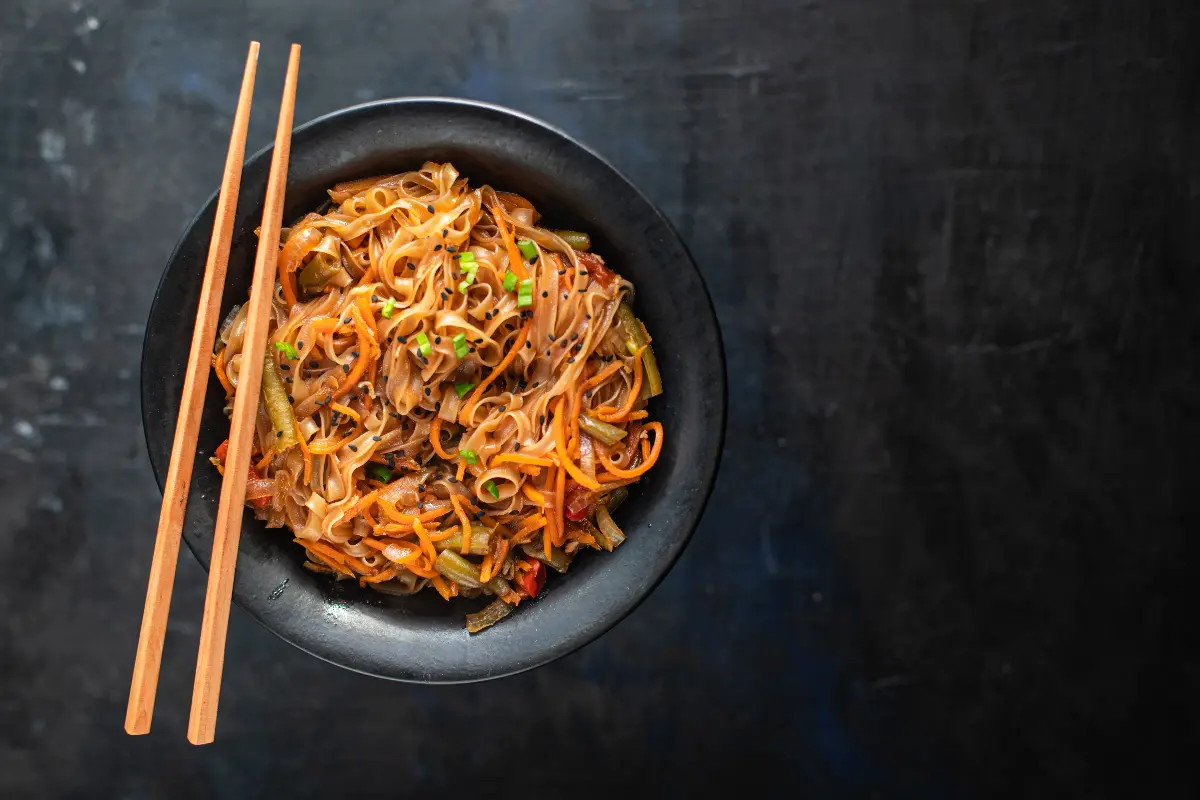
In sharing this recipe, the aim isn't merely to create a dish but to embody an experience that resonates with both Pad Thai lovers and those embarking on their first foray into Thai cooking. It's a dish that unites family and friends, inviting everyone to customise their plate with garnishes according to individual tastes. Amidst Southeast Asia's rich tapestry of food culture, adding Pad Thai to your culinary repertoire weaves in a thread of Thai tradition that is both delicious and deeply satisfying.
In summary, cooking Pad Thai is an artful venture, a delicate ballet of flavours, textures, and colours that culminate in a dish beloved by people across the globe. Brimming with zest, it's a culinary escapade that transports the spirit of Thailand into the heart of our homes. With practice, care, and a respect for the traditional methods and ingredients, you can indeed create a Pad Thai that rivals the bustling street food stalls and revered eateries of Thailand, all from the comfort of your own kitchen.