


Delving into the smorgasbord of Singaporean cuisine is akin to embarking on an exhilarating culinary odyssey, one that reveals the island nation's rich tapestry of cultural influences and flavors. Singaporean food is a testament to its diverse heritage, with roots stretching across the Malay Archipelago and South and East Asia and subtle influences from European colonialism. This gastronomic landscape beckons food enthusiasts and curious travelers alike, inviting them to savor a feast of flavors that embodies the spirit of Singapore.
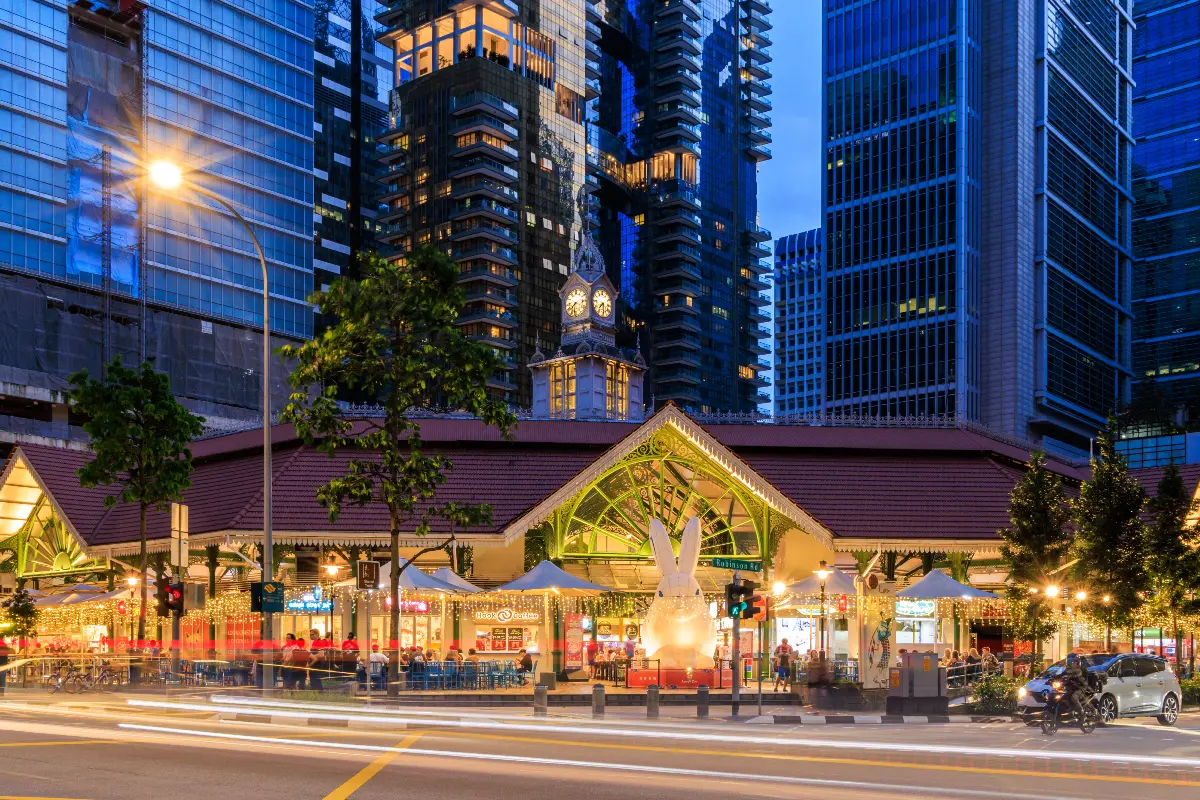
 POKE THEORY
 CAT & THE FIDDLE
 ICE LAB
 KOHI ROASTERY & COFFEE BAR
 TUK TUK CHA
At the heart of Singaporean cuisine lies the hawker center, a vibrant nexus of food stalls where the air is thick with appetizing aromas and the ceaseless clatter of woks is the soundtrack. Here, the essence of Singaporean dining culture is captured in its most authentic form. The hawker centers, originally a collection of street food vendors, have evolved into organized complexes, nurturing Singapore's reputation as a haven for affordable gourmet delights. Embracing both tradition and modernity, these community dining halls showcase the very ethos of Singaporean food—diversity, accessibility, and conviviality.
One of the star attractions in Singapore's culinary showcase is the iconic dish known as Hainanese chicken rice. With roots tracing back to Chinese immigrants from Hainan province, this humble dish epitomizes simplicity and depth of flavor. The chicken is poached to perfection, boasting succulent meat and gelatinous skin, served with fragrant rice cooked in chicken broth and a trio of dipping sauces that ignite the palate. It's a dish that has earned international acclaim, and for many, it represents the first delicious encounter with the nation's cuisine.
Another piquant signature of Singaporean food is the chilli crab, a rendition so loved that it's virtually synonymous with the idea of indulgence in local seafood. Fresh mud crabs are stir-fried in a thick, sweet, savory, and slightly spicy sauce made predominantly from tomatoes, chili paste, and eggs, creating a luscious coat that begs to be mopped up with mantou, or fried buns. This dish is both a messy affair and a joyous celebration of flavors that perfectly encapsulates Singapore's penchant for bold and vibrant cuisine.
For those who prefer a simmering bowl of comfort, laksa offers an embrace of coconut-infused warmth. This spicy noodle soup marries Chinese and Malay culinary traditions, resulting in a mélange of flavors that dance on the palate. Versions of laksa vary across the island, but the most famous is the Katong laksa, with its cut noodles and coconut milk-based gravy teeming with prawns, fishcake, and cockles. Every spoonful of laksa is a spoonful of Singapore's harmonious multicultural society.
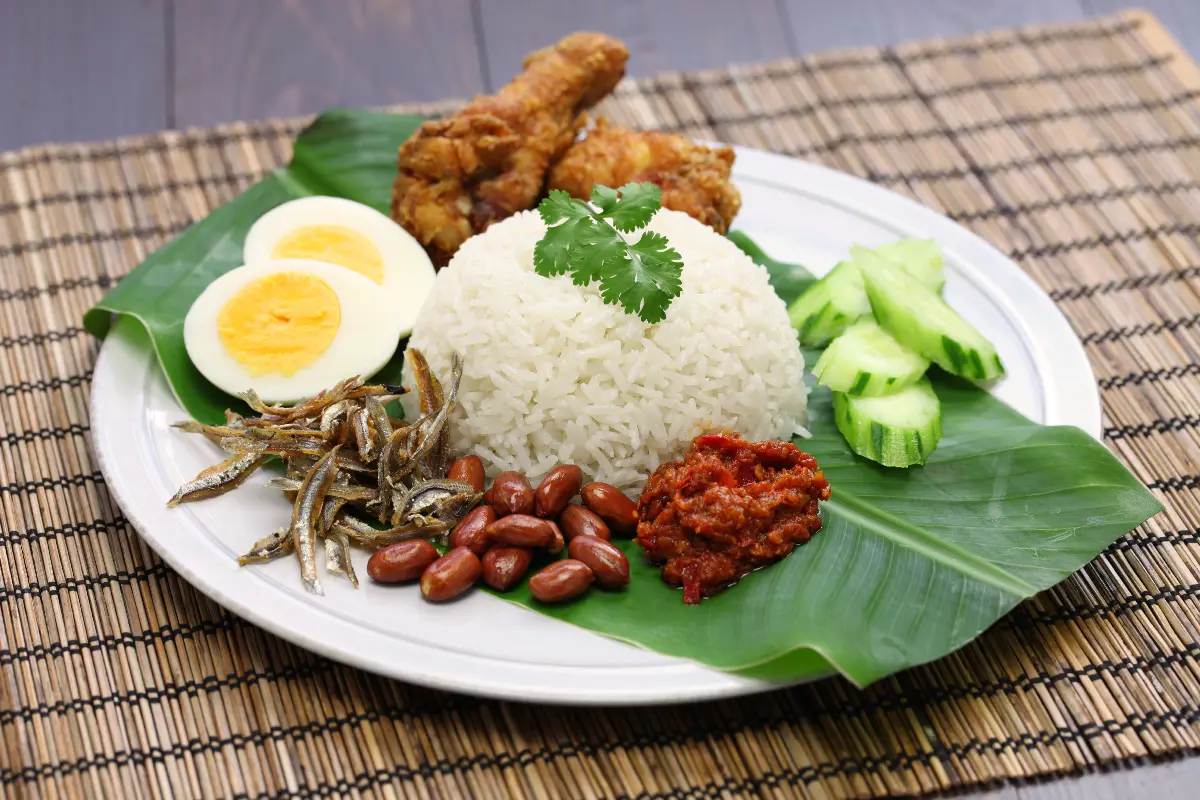
Yet another testament to the complexity of Singapore's cuisine is the simple yet flavorful dish known as nasi lemak. With its origins in Malay culture, the dish features rice cooked in coconut milk and pandan leaves, imbuing it with an aroma that's unmistakably fragrant. Accompaniments typically include fried anchovies, peanuts, eggs, cucumber slices, and a dollop of fiery sambal. Despite its often modest presentation, nasi lemak is packed with textures and flavors, resonating with anyone who takes a bite.
A cross-section of Indian influence in Singapore's culinary scene is evident in roti prata, a South-Indian flatbread that exhibits a flaky and buttery texture. Typically served with a side of dhal or curry, the act of tearing into a roti prata and dunking it into a flavorful sauce is a divine ritual that's enjoyed island-wide at all hours. The process of 'flipping' the dough to achieve its characteristic layers is as much an art form as it is a culinary technique that's respected in numerous eateries dotting the cityscape.
As the sun sets, the sizzle of satay skewers being grilled at outdoor food markets sets the tone for an evening of casual dining al fresco. These morsels of marinated meat, commonly chicken, beef, or lamb, are served with a side of peanut sauce, rice cakes, and a small serving of onion and cucumber. Satay is much more than grilled meat; it's a communal experience, often shared among friends and family under the canopy of twinkling stars.
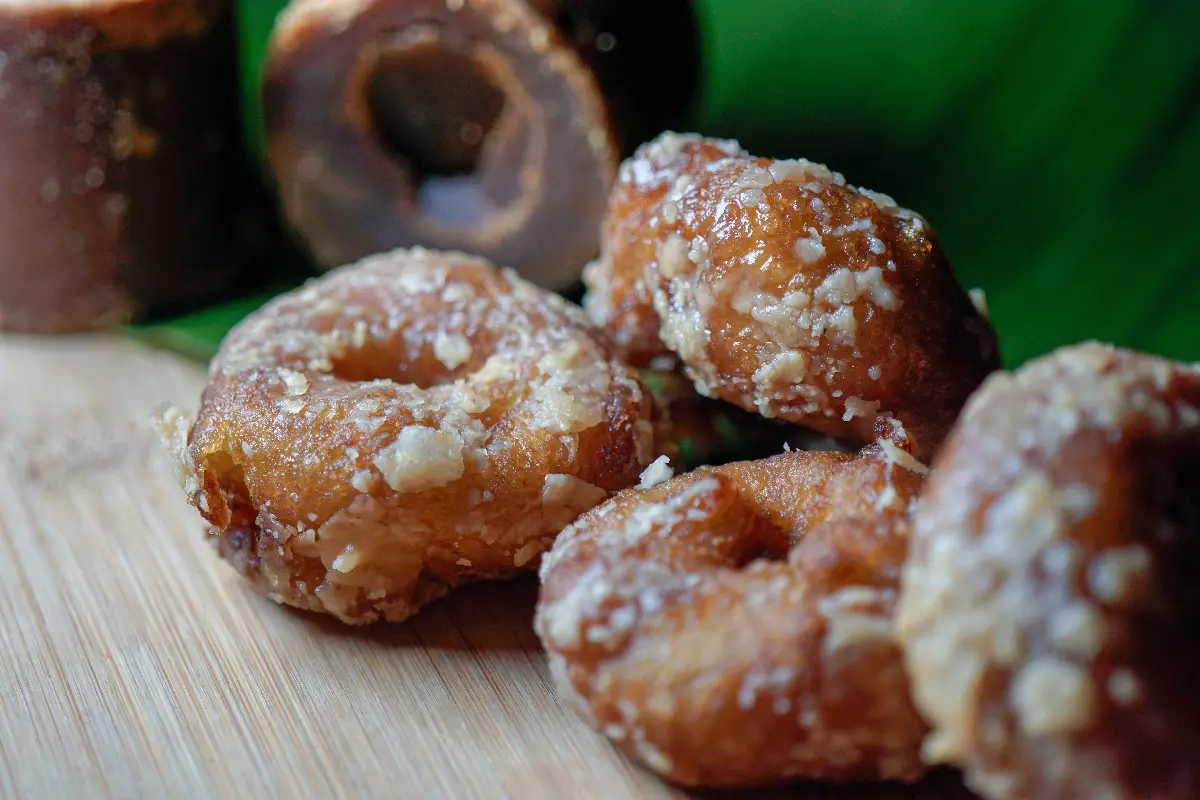
For the sweet-toothed, Singaporean desserts offer an equally delightful exploration. One cannot leave the island without sampling the quintessential shaved ice dessert known as chendol. Draped in creamy coconut milk, sweetened with gula melaka (palm sugar), and garnished with pandan-flavored jelly noodles, red beans, and sweet corn, chendol provides respite from the tropical heat and a sumptuous end to any meal.
Above all, the true essence of Singaporean food is its reflection of a multicultural society that thrives on shared experiences and mutual respect. Each meal is more than just sustenance; it's the story of Singapore's heritage, a tapestry of influences that has been woven into the fabric of society over generations. Each bite is a journey through history and a glimpse into the future of a nation defined not just by its economic prowess but also by its culinary wealth.
In conclusion, the feast of flavors offered by Singaporean cuisine is a formidable yet welcoming culinary realm that beckons to be explored with zeal and appetite. From the comfort of hawker centers to the elegance of fine dining establishments, the food of Singapore is a microcosm of its society—diverse, harmonious, and brimming with character. Whether a resident or a visitor, indulging in the full spectrum of Singaporean dishes is essential to truly understanding the heart of this vibrant nation.