


The intertwining of cuisine and culture often yields traditions that transcend their origins to become cherished global practices. One such tradition is Yum Cha, accompanied by an array of bite-sized dishes known as Dim Sum. While inherently a part of Cantonese culinary habits, Dim Sum has transcended borders and become a beloved cultural phenomenon worldwide. As we unpack the steam baskets of history, we uncover how this Cantonese creation transformed into an international sensation.
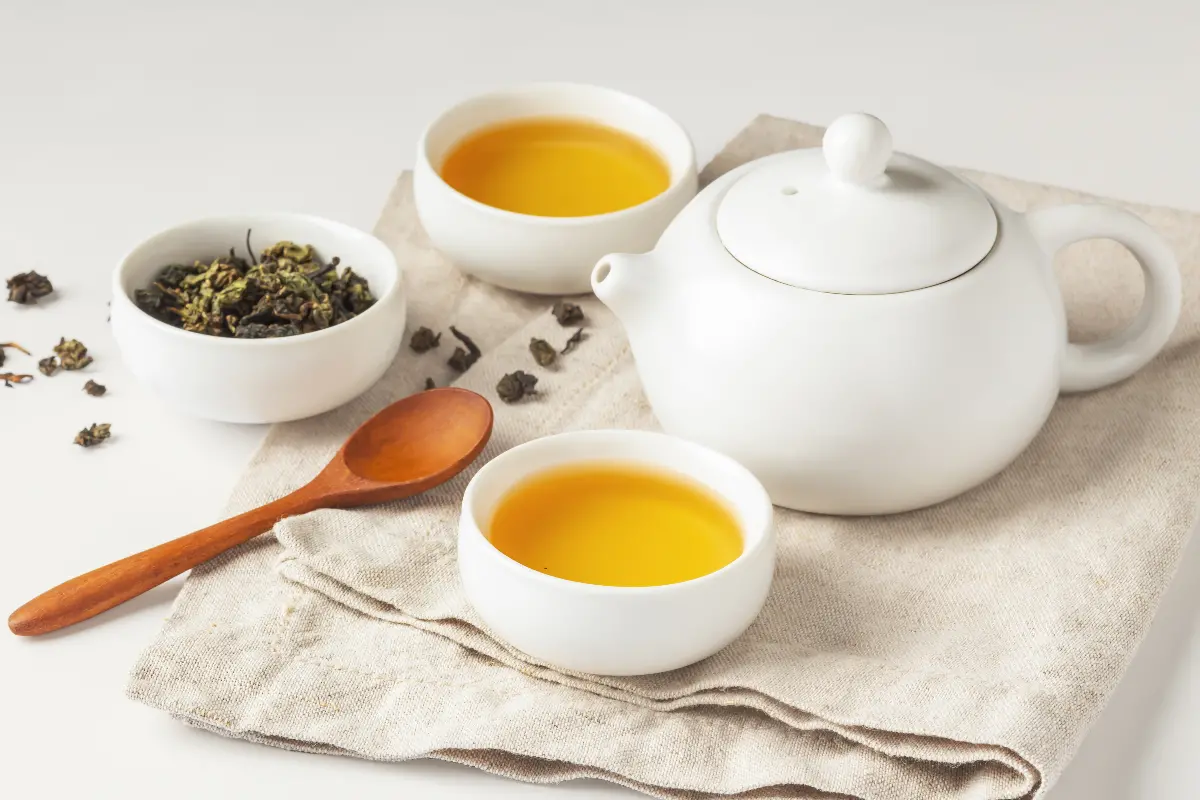
Tracing its roots back to the ancient Silk Road, yum cha, which literally means "drink tea," began as a restorative practice for weary travellers and rural farmers in Southern China. The culture of sipping tea was enhanced with the addition of small snack-like portions of food to ease hunger without being too filling. This practice grew particularly strong in the Guangdong province and the city of Guangzhou, where locals would frequent teahouses for a relaxing reprieve and social catch-up.
The transformation from simple teahouse fare to an intricate culinary art form took place under the influence of Imperial Chinese cuisine. Chefs, seeking imperial favour, would craft miniature morsels of exquisite taste and artful presentation—Dim Sum. Notably, Dim Sum chefs became revered for their mastery and innovation as the dishes became more popular. From delicate shrimp dumplings (har gow) to the savoury barbeque pork buns (char siu bao), each dish is a testament to the intricate skill involved in dim sum preparation.
With the expansion of Chinese diaspora communities, Dim Sum found a new home in places like Hong Kong, Southeast Asia, and Chinatowns across the globe, from San Francisco to London. With this spread, yum cha evolved into a weekend family affair, with restaurants bustling with activity as carts laden with a variety of Dim Sum were wheeled between tables. It's a cherished time for families to gather, catch up, and enjoy delicious bites together.
Interestingly, the international rise of Dim Sum would not have been possible without the adaptability and innovation inherent to this culinary tradition. Dim Sum's repertoire has grown extensive, with chefs creating new varieties to cater to local tastes and dietary preferences. For instance, in Singapore, one could find unique creations like chilli crab sauce paired with dumplings or the incorporation of local flavours like pandan into traditional recipes. Such inventiveness has played a key role in keeping the essence of yum cha while making it appealing to a broader audience.
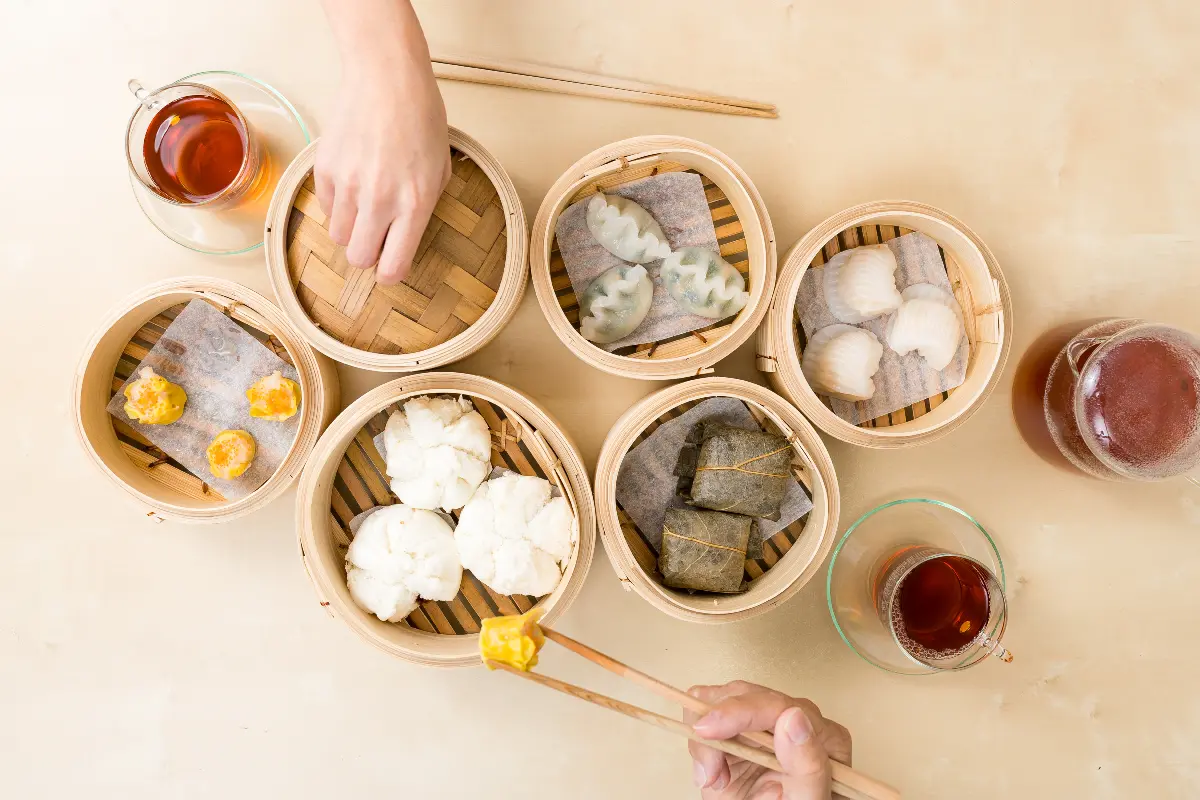
Moreover, Dim Sum’s appeal is imbued with symbolism and social nuance. Many dim sum dishes are embedded with meaning and are often enjoyed during special occasions or festivals. The lotus leaf of rice (lo mai gai) represents abundance and fertility, while sweet buns might symbolise a sweet and prosperous life. These foods, intertwined with cultural significance, present not only flavours to the palate but also feed the soul with their auspicious meanings.
Beyond the cultural, there's also the aspect of kinship and conviviality that Yum Cha fosters. The shared eating from communal bamboo steamers, the passing of plates to one another, the clinking of teacups—all these actions craft an experience of togetherness and hospitality. It is dining designed to break down barriers, encourage interaction, and forge bonds over shared pleasures. This social dining ritual has resonated globally, with people from all walks of life embracing the convivial spirit of yum cha.
Globalisation, with its double-edged sword, has challenged and sometimes diluted cultural practices, but in the case of Yum Cha, it has acted as an amplifier. The tradition has not only survived but has thrived as it spread worldwide, finding a respectful place amidst the shared global table. Food enthusiasts have been able to learn about Cantonese culture through its most delightful emissary—Dim Sum—and embrace it within their local contexts.
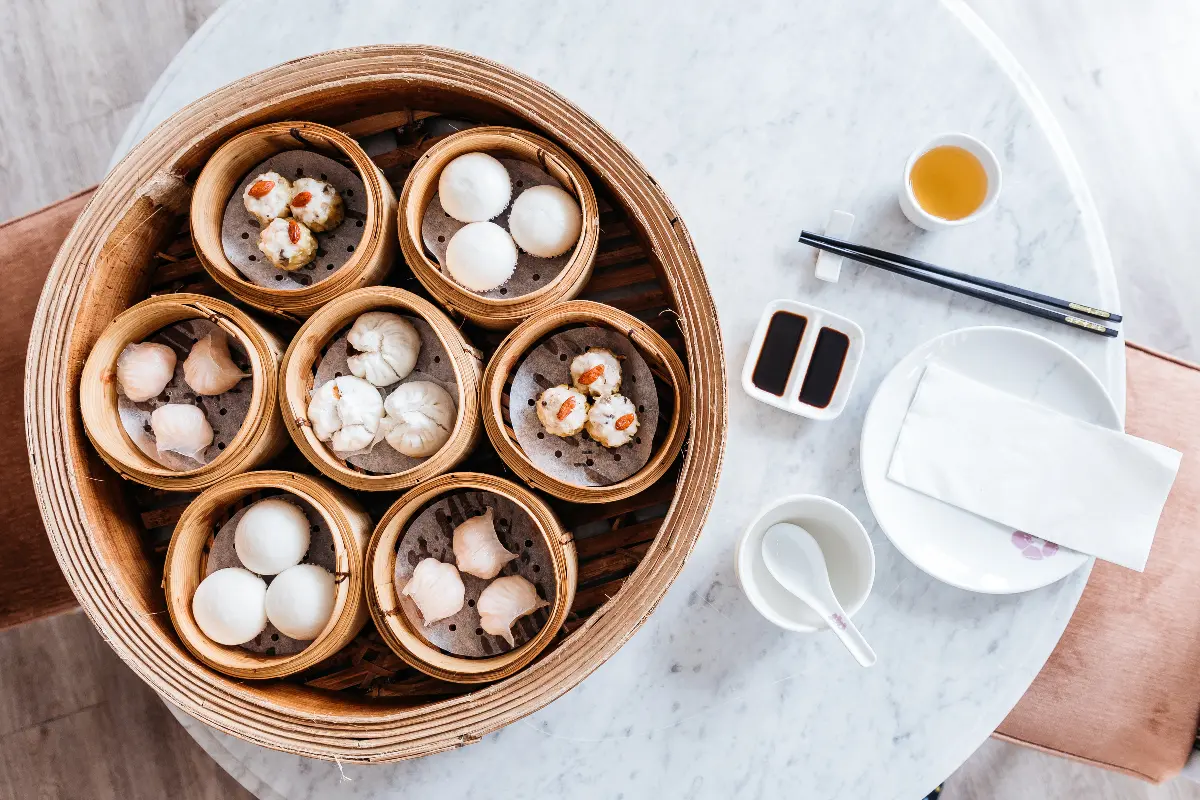
In conclusion, the art of yum cha and the charm of Dim Sum have navigated beyond their Cantonese roots to establish themselves as a worldwide culinary delight. This traditional repast exemplifies how food can be a universal language, speaking to our shared human experience of enjoying great food and great company. As yum cha continues to evolve and enchant new audiences, it remains a heartwarming reminder of the rich tapestry of cultural traditions that can bring us all a little closer, one dumpling at a time.