


In a digital world where the gratification from a captured moment is as instantaneous as the click of a button, the Fujifilm Instax camera series stands out as an endearing paradox. The resurgent popularity of instant photography, led by Fujifilm's Instax, is a delightful nod to the past while continuing to thrive in a technologically saturated future. It's a testament to the timelessness of the tangible, as the physical photo—ejecting from the top of a brightly colored Instax camera—invokes a wave of nostalgia for a simpler era in photography.
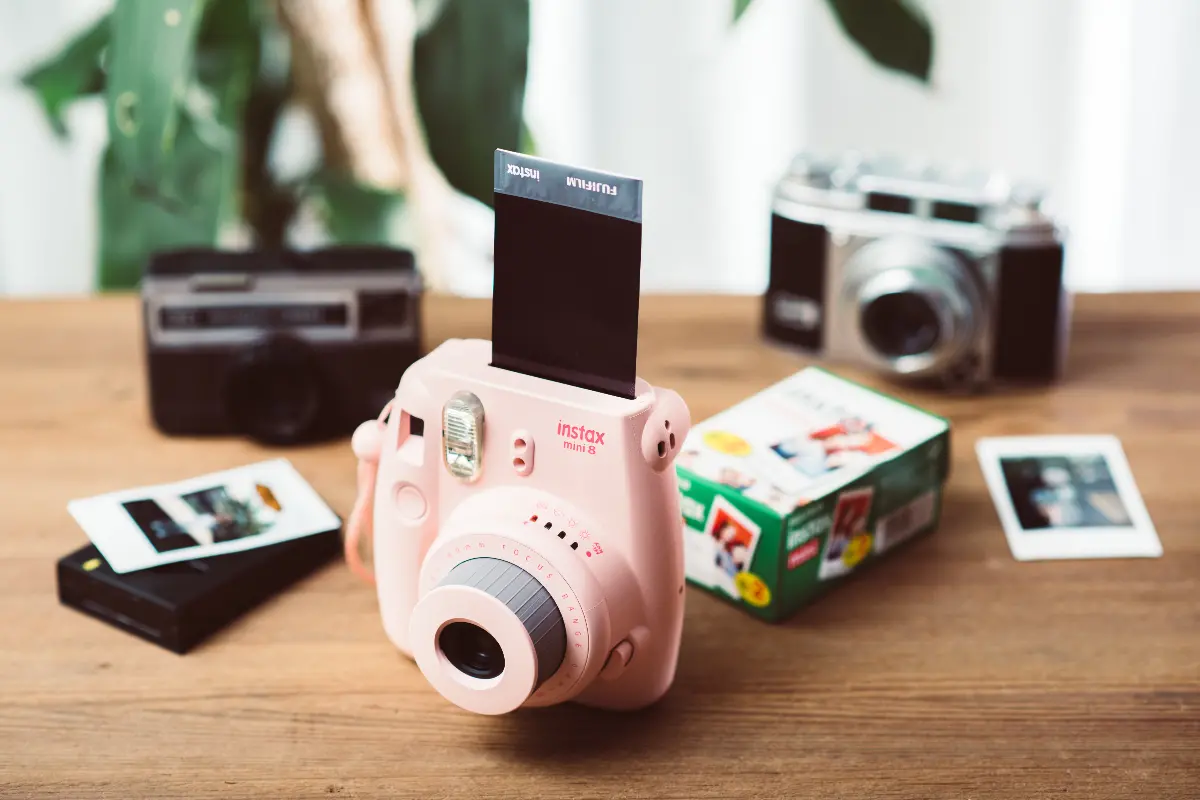
The Fujifilm Instax series has carved out a niche for itself by offering a blend of vintage charm and modern capabilities. Instax cameras, such as the Mini, Square, and Wide, strike a chord with both the young and the old, sparking joy with their no-nonsense approach to capturing the moment. The immediate nature of developing a photo and having a physical copy in your hands seconds later provides a sensory experience—one that can't be duplicated with a smartphone's digital album.
The concept of instant photography isn't new—it's a rite of passage that dates back to the late 1940s. However, Instax’s ability to survive and indeed flourish is a fascinating case study in the resilience of analog technology within a digital fortress. During a period when high-resolution cameras are embedded in nearly every mobile device, Fujifilm has cleverly repositioned the Instax as a lifestyle accessory—a means to create and share memories in a more personal and heartfelt manner.
One often-overlooked aspect of the Instax cameras is their democratization of photography. In a landscape dominated by photo filters and advanced editing tools, the Instax strips down photography to its bare essentials: framing, timing, and lighting. There is no delete button; it takes no more than a second. Each photo is a gamble, adding to the thrill of the experience. This unpredictability, akin to the 'first-take-only' approach of yesteryear's film cameras, resurfaces the artistic skill and spontaneity that can sometimes get lost in the digital shuffle.

The tactile nature of Instax photographs also creates a bridge across generations. For older individuals, it's a trip down memory lane to the days of family albums and slide projectors. For younger generations, it's the allure of something novel and distinctly offline. These instant photos become keepsakes, decorating refrigerators, workspaces, and scrapbooks, cementing a place in our physical world that digital images simply can't occupy.
However, Fujifilm didn't just stop at recreating the past; they innovated. Modern Instax cameras come equipped with features like selfie mirrors, multiple exposure modes, macro modes, and even connectivity to smartphones for printing digital photos, merging old-school charm with new-world practicality. Through these enhancements, Instax has been able to maintain relevancy and appeal to a wide array of users—from the casual enthusiast to the social media influencer.
Moreover, the aesthetic appeal of instant photos, with their dreamy, soft-focus quality and retro-looking borders, makes them highly coveted among those aiming for a particular visual flair in their photographic endeavors. The Instax's unique format and color rendition provide a stark contrast to the crisp, uniform images of today's digital offerings, thus endearing itself to those seeking to stand out artistically.

Nowadays, technology adoption is high, and the Instax experience resonates well with the city-state’s vibrant, multicultural population. It complements the bustling landscape and is an entertaining companion for events, parties, and travel. While Instagram and Snapchat stories may fade, the Instax captures the city's dynamic spirit in a form that's immediate yet enduring.
Fujifilm's commitment to evolving its product lineup while preserving the essence of instant photography continues to drive its success. Limited edition designs, collaborations with pop culture icons, and a range of accessories cater to personal taste and function, ensuring that the Instax remains more than just a camera—it's a cultural phenomenon.
The resurgence of the Instax demonstrates that our appreciation for the analog isn't just a fleeting trend but rather a deep-seated desire for authenticity in an increasingly impersonal digital realm. It challenges photographers, both amateur and professional, to savor the act of taking pictures as much as the end result.
In conclusion, Fujifilm’s Instax series offers a charming escape from the predictability of digital photography, enveloping users in a delightful blend of nostalgia and novelty. With its straightforward design, inviting features, and the joy of instant tangible memories, the Instax is not just reliving the fun of a bygone era—it's redefining it, one click at a time. Whether it's capturing a stunning skyline or a candid moment among friends, the Instax ensures that every shot is a special, irreplicable slice of life held in the palm of your hand.