


Volcano adventures beckon those with a penchant for the extraordinary, offering a rare glimpse into the earth's fiery heart. Across our planet, these natural wonders rise up as both creators and destroyers, sculpting the landscape with their eruptive force and nurturing life with their fertile soils. Beyond the thrill that accompanies peering into a steaming caldera or witnessing the slow, destructive crawl of lava, volcanoes present a living classroom for the curious mind, providing insight into the forces that have shaped our world since time immemorial.
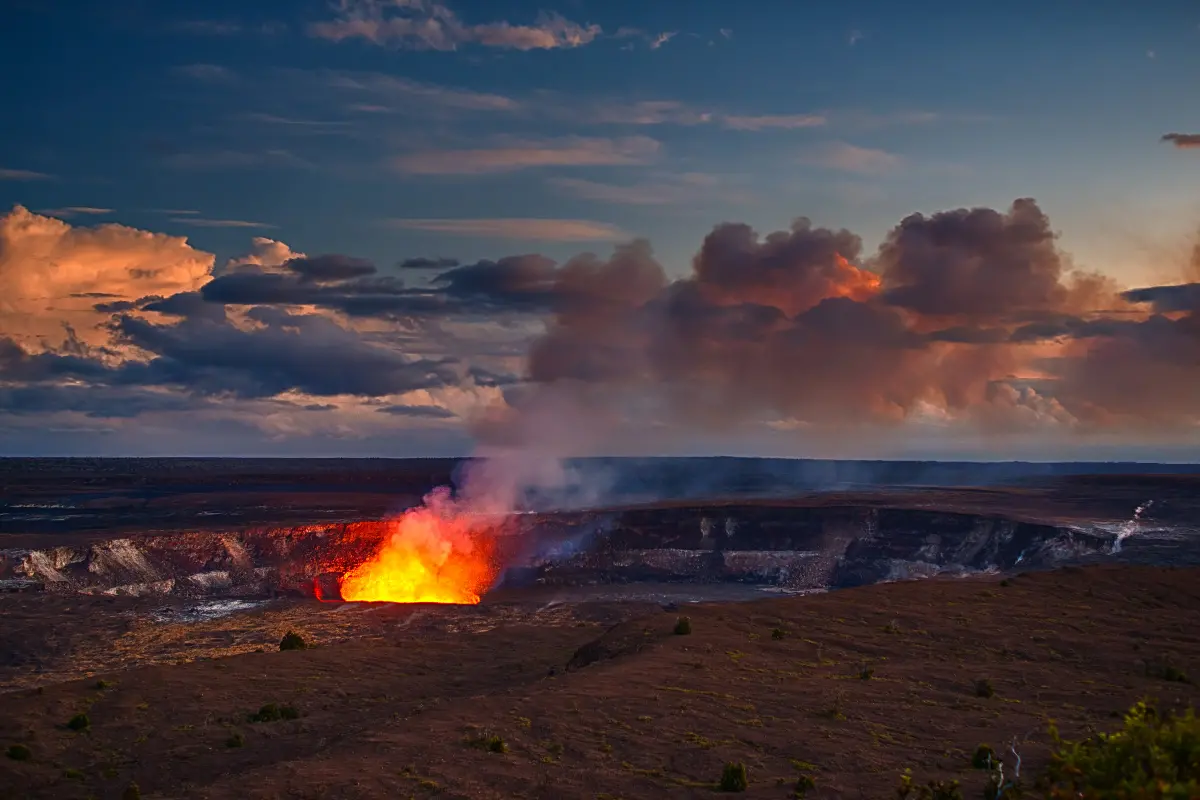
One may begin this fiery pilgrimage at the edges of the Pacific Ocean, within the aptly named "Ring of Fire," a horseshoe-shaped belt that is home to about 75% of the Earth's active and dormant volcanoes. Imagine setting foot on the shores of Hawaii's Big Island, home to Kilauea, one of the most active volcanoes on the planet. Here, adventurers can witness the primal drama of creation as new land forms from the cooling lava entering the ocean amidst clouds of steam. To heighten the sense of awe, helicopter tours afford a bird's-eye view of the scorching rivers as they carve their way through the landscape.
Further south, the dual peaks of New Zealand’s Tongariro National Park lure trekkers with their otherworldly beauty and the challenge they present. The Tongariro Alpine Crossing, often cited as one of the best day hikes in the world, traverses emerald lakes, alpine meadows, and moonscape craters, making evident the raw power and allure of these sleeping giants.
Transcending continents to the craggy landscapes of Iceland, one will discover a land inextricably linked to volcanic activity. The stark beauty of Thrihnukagigur volcano offers a unique journey into the depths of an extinct volcanic chamber. Visitors descend into a cavern of vibrant colours, a reminder that volcanoes harbour not just destruction but an array of mineral-rich treasures beneath their rugged exteriors.
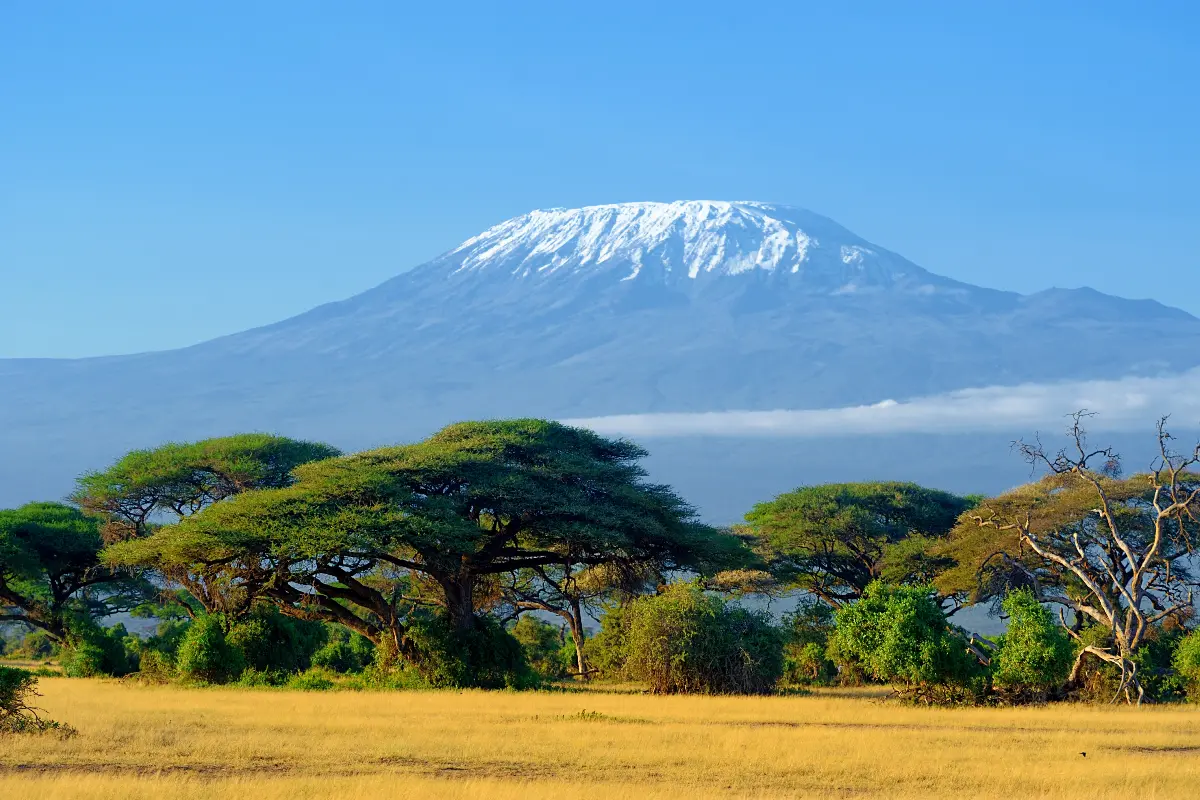
In Africa's Great Rift Valley, the formidable Mount Kilimanjaro in Tanzania stands as a beacon for the adventurous soul. Crowned by a dormant volcano, its slopes offer a study in ecology, with each ascending zone introducing climbers to distinct climates and flora. Though Kilimanjaro’s last eruption dates back over 360,000 years, its presence still commands respect and reminds us of the latent power that exists just under the surface.
No discourse on volcanic landscapes would be complete without a nod to Italy’s Mount Vesuvius, a storied mountain whose eruption in 79 AD buried the cities of Pompeii and Herculaneum, capturing a moment in time beneath layers of ash and pumice. The indomitable spirit of Vesuvius is palpable to those who hike its paths, with the Bay of Naples spreading out below, a testament to civilisation’s perseverance in the shadow of nature's might.
Closer to the equator, Indonesia's Mount Bromo offers a scene of mystical splendor. The Tenggerese people who reside in the massive caldera see Bromo as a sacred site, and visitors can partake in a timeless tradition by ascending the volcano to catch a sunrise that seems to paint the world anew. Sulphurous fumes and the desolate Sea of Sand around Bromo create a landscape that is at once forbidding and beautiful—a true marvel of the Earth's geologic processes.
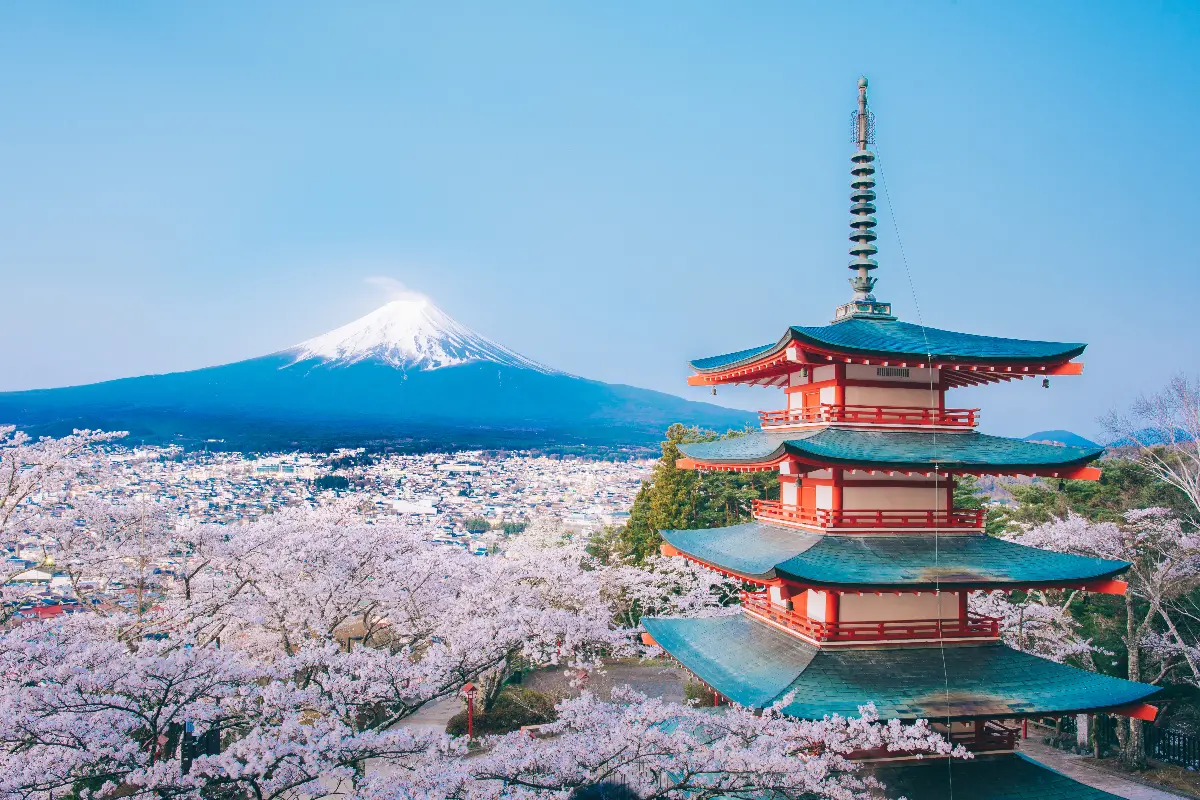
For those seeking a unique blend of culture and nature, Japan's Mount Fuji stands as an iconic symbol of beauty and serenity. Climbing this dormant stratovolcano has long been a pilgrim's journey, culminating in a summit that provides expansive views over the land of the rising sun. While Fuji-san's last eruption was over 300 years ago, its perfectly symmetrical cone continues to inspire artists, poets, and adventurers alike.
Meanwhile, the volcanoes of Central America offer a cornucopia of experiences for the intrepid. The fiery Pacaya in Guatemala treats visitors to up-close encounters with flowing lava, while Nicaragua's Masaya features an accessible crater that looks into a bubbling lava lake, churning away like a witch's cauldron.
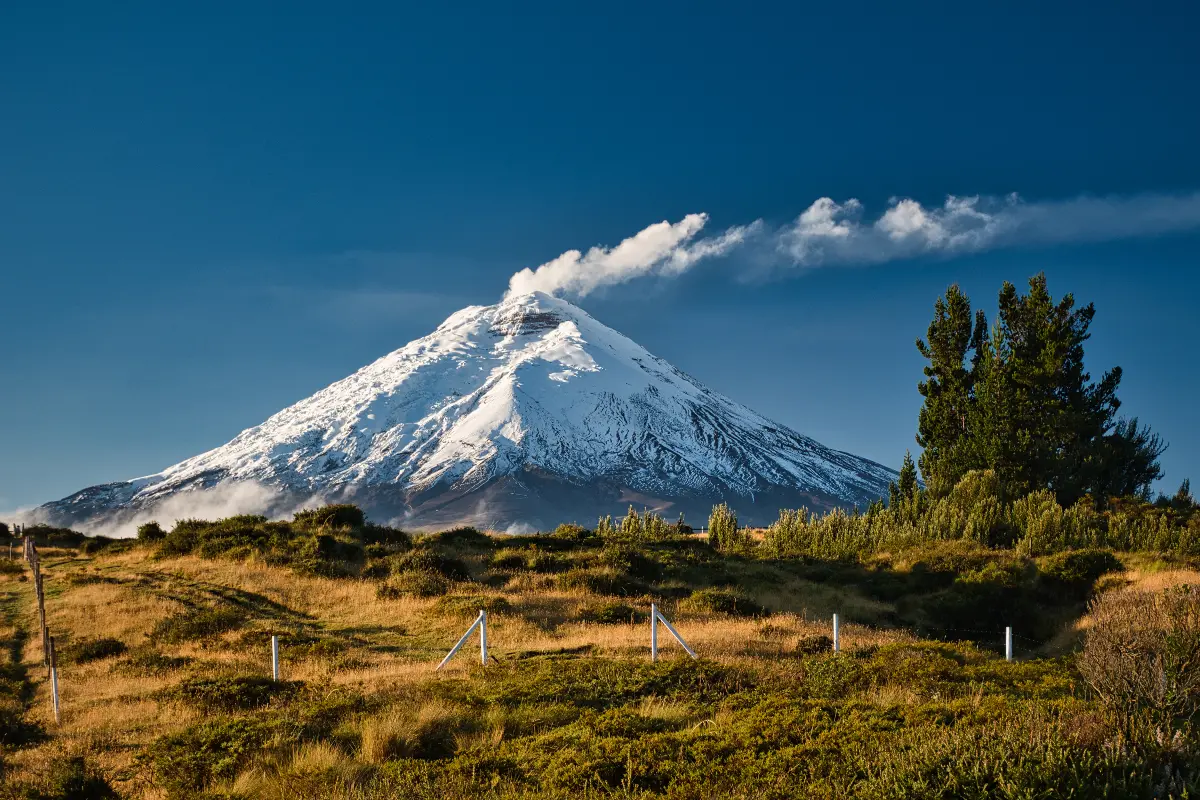
Conversely, the Andean landscapes are punctuated by volcanoes, with Ecuador's Cotopaxi being one of the most active volcanoes in the world. Hikers here grapple with the altitude, but the vistas from its snow-capped summit make the endeavour worthwhile. Nearby, the Galapagos Islands demonstrate the creative force of volcanoes, having given birth to a wealth of unique species that evolved in isolation, forever altering our understanding of life on Earth.
Volcano adventures are not without their risks, and these geological beasts's breaths fire and ash with little warning. However, their unpredictability is part of the lure—the reminder that we live on a dynamic and ever-changing planet. For those drawn to witness nature's grandeur, exploring these fiery landscapes can be both humbling and exhilarating.
In conclusion, the very notion of exploring Earth's fiery landscapes tugs at the heart of our curious human spirit. It's about feeling the earth's pulse beneath one's feet, witnessing the results of millenia-old processes, and realising the potent forces that continue to shape the vistas we so admire. Whether it's to understand the natural world better, to challenge oneself physically, or simply to behold magnificent views that few have laid eyes upon, volcanic adventures are unequivocally one of nature’s most thrilling spectacles.