


Embark on a tantalising journey through the rich tapestry of Dim Sum and Yum Cha, a culinary experience that transcends mere dining, embodying centuries of Chinese tradition. Whether you're strolling through the bustling streets of Singapore or planning an immersive trip to the heart of Hong Kong, understanding the customs, variety of dishes, and etiquette associated with these practices is crucial for any gastronome or curious traveller looking to savour authentic Chinese culture.
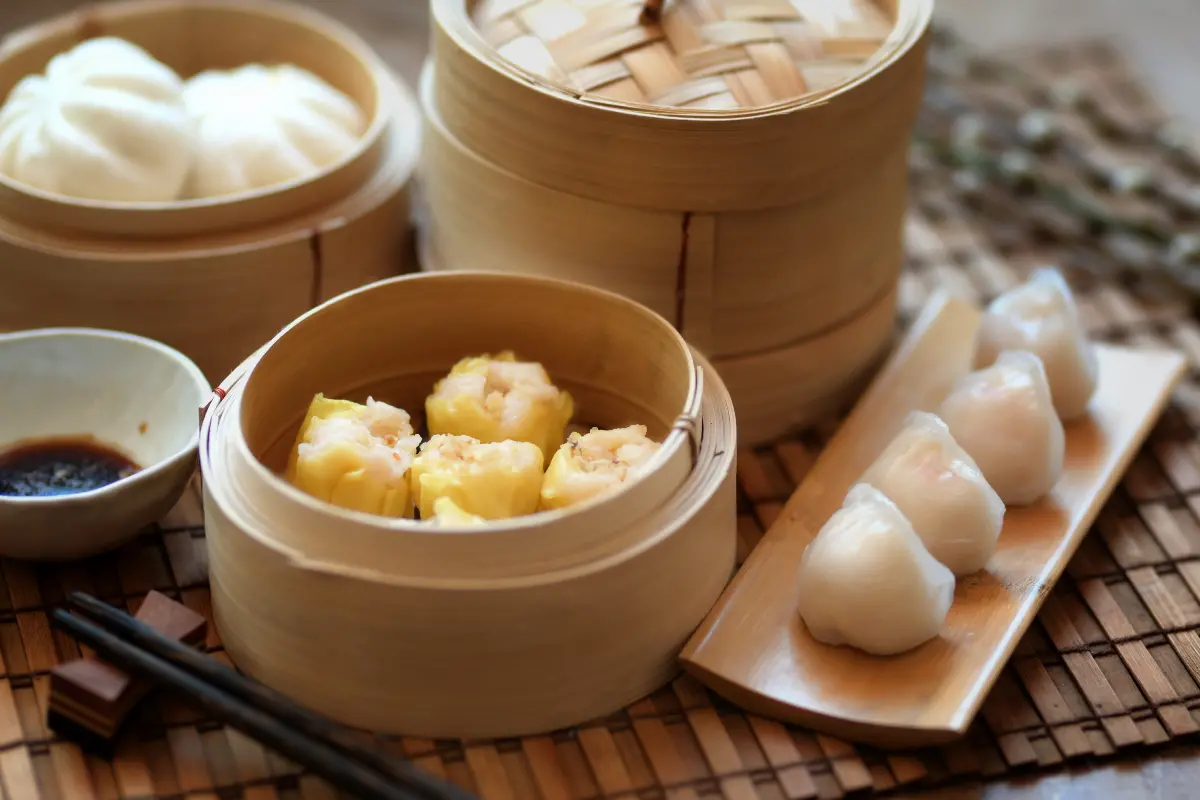
At the heart of this food culture is Dim Sum, which translates to "touch the heart," a phrase that beautifully encapsulates the essence of these small yet intricate delights. Dim Sum originated in the Cantonese region of China and is characterised by a vast assortment of bite-sized dishes served in bamboo steamers or on small plates. Yum Cha, on the other hand, is the act of enjoying tea and Dim Sum with friends and family, a tradition that dates back to the ancient Silk Road, where travellers and rural farmers would frequent teahouses for rest and conversation.
Today, Yum Cha has evolved into a weekend tradition for many Chinese families, a time to gather and catch up over an endless procession of delectable dishes. As you immerse yourself in the Yum Cha culture, you'll find yourself surrounded by the chatter of diners and the clinking of teapots—an ambiance that adds to the convivial dining experience.
Understanding the intricacies of Dim Sum can elevate your appreciation of this culinary art form. Classic dishes to savour include 'Har Gau' (shrimp dumplings), 'Siu Mai' (steamed pork dumplings), and 'Char Siu Bao' (barbecue pork buns). Each dish boasts its own unique flavours and textures, from the translucent, pleated wrapper of Har Gau revealing the pink shrimp inside to the fluffy, slightly sweet dough of Char Siu Bao encasing a savoury filling.
Vegetarians are not left out of this gastronomic ritual, with many Dim Sum menus featuring delights like 'Lo Mai Gai' (sticky rice in lotus leaf) and 'Cheung Fun' (steamed rice noodle rolls) that can be prepared with an array of vegetables and tofu. Meanwhile, adventurous eaters might relish the chance to try the 'Phoenix Talons'—a flavorful dish of marinated and deep-fried chicken feet.

While sipping tea—be it Jasmine, Oolong, or Pu-erh—it's important to note the synergy between the beverage and the food; tea serves to aid digestion and complement the rich flavours of the Dim Sum. Moreover, the practice of pouring tea for others before oneself is a sign of respect and a mark of good etiquette. If someone refills your cup, it's customary to tap the table with two fingers to express gratitude, a gesture originating from a Qing Dynasty emperor who wanted to show his thanks without drawing attention to his royal identity.
Other Yum Cha etiquette pointers include using serving chopsticks or tongs when taking Dim Sum from communal plates, avoiding the impulse to hoard favourite dishes as they come by, and politely passing along the Dim Sum trolleys to neighbouring tables once you have made your selections.
Another fascinating aspect of the Yum Cha experience is the trolleys themselves, piled high with bamboo steamers, a practice that began in the early 20th century. While some modern establishments have shifted to a made-to-order approach, there's undeniable charm in selecting your dishes from a moving cart. It evokes the excitement and spontaneity akin to picking treasures, allowing you to see, smell, and choose from a variety of fresh offerings.
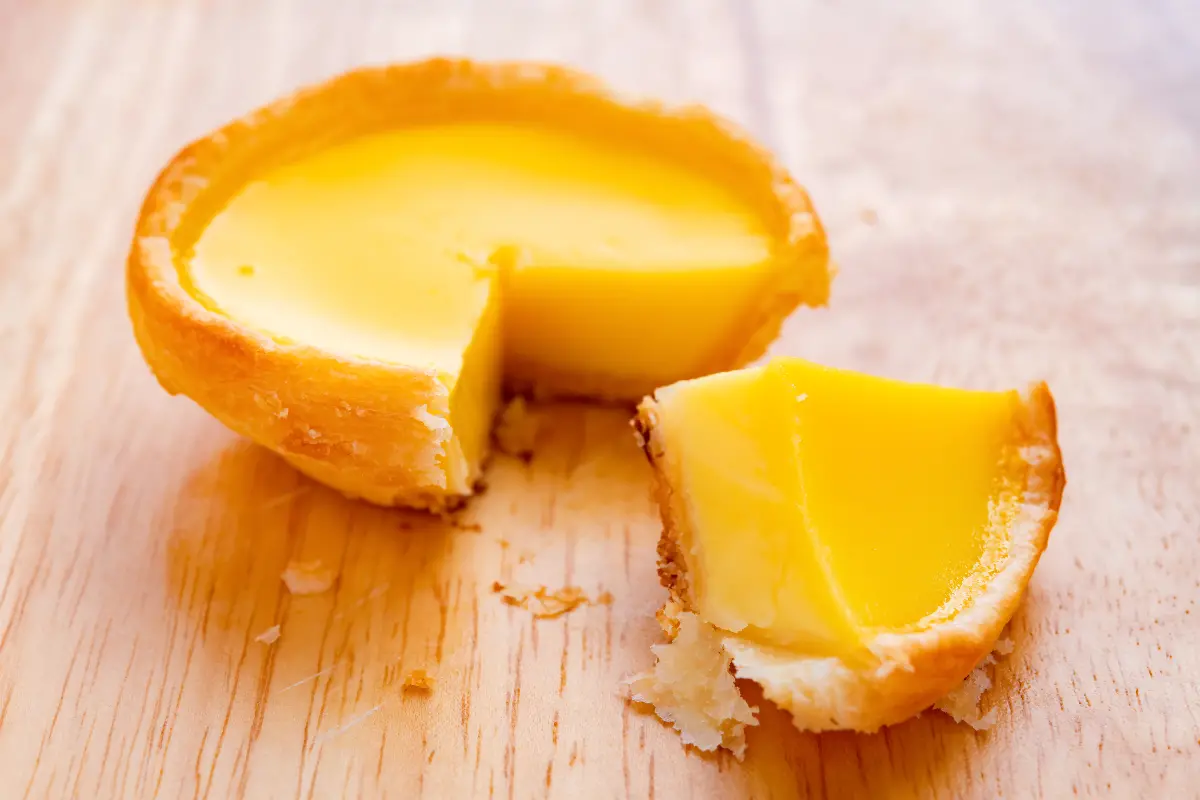
For those who enjoy concluding their meal on a sweet note, Dim Sum does not disappoint. 'Dan Tat' (egg tarts), 'Mango Pudding', and 'Tang Yuan' (glutinous rice balls) are just a few of the sweet treats that might grace the table towards the end of a Yum Cha session. Each dessert offers a balance to the savoury dishes, ranging from the warm, flaky pastry of an egg tart to the cool, creamy texture of mango pudding.
Immersing yourself in the world of Dim Sum and Yum Cha is not only about savouring an array of dishes; it's equally about appreciation for the craftsmanship behind each piece. Dim Sum chefs train for years to master the delicate folds of dumplings and the precise balance of flavors. It is, in many ways, a labour of love that has preserved the traditions through generations.
To truly understand the importance of Dim Sum and Yum Cha in Chinese culture, one must experience them firsthand. Partake in the symphony of flavours, engage in the shared joy of discovering new tastes, and observe the customs that make this dining experience a bridge to the rich heritage of China.
Your journey through the myriad flavours and traditions of Dim Sum and Yum Cha is more than a meal; it is an intimate encounter with a celebrated aspect of Chinese culture. Whether in the vibrant food scenes of Singapore or the bustling teahouses of Guangzhou, embracing the etiquette, relishing every bite, and engaging in the camaraderie at the table will not just "touch the heart" but also create fond memories that linger as long as the taste of that perfect dumpling on your tongue.