


Pad Thai is more than just a staple street food in the bustling markets of Thailand; it is a national dish that embodies the balance and harmony of flavours that Thai cuisine is renowned for. This stir-fried noodle dish, whose full name is "kway teow pad Thai," has garnered international fame, earning a spot on dinner tables worldwide. But what makes it so special, and how can one replicate this culinary icon in the comfort of one's own kitchen? Let's delve into the art of crafting authentic Pad Thai at home, embracing both its complexity and its potential for personalisation.
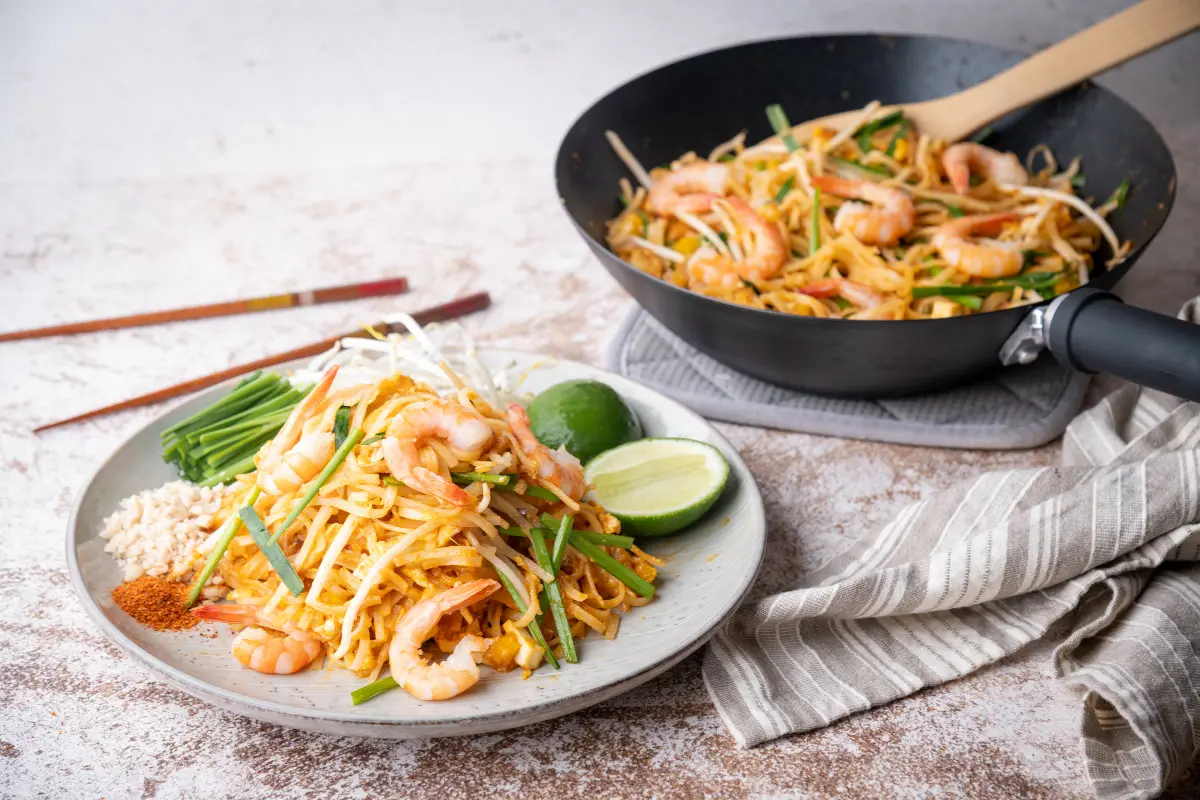
At its core, Pad Thai comprises flat rice noodles known as "sen lek," which are stir-fried with eggs, tofu, and a protein such as shrimp or chicken. Critical to its unique taste is the tamarind-based sauce, which is what gives Pad Thai its signature tangy-sweet profile. To achieve the perfect balance of flavours—sweet, sour, salty, umami, and a touch of spice—tamarind paste is blended with fish sauce, palm sugar, and a little red chilli pepper.
Another key component is the use of fresh, quality ingredients. While variations exist, typically, a combination of garlic, shallots, preserved radishes, and ground peanuts is used. Bean sprouts and chives or spring onions add a fresh crunch that contrasts beautifully with the soft chew of the noodles. But the real secret lies in the cooking technique, which must be swift and over high heat to avoid sogginess and maintain distinct textures.
Let's start by prepping our ingredients. The noodles should be soaked in warm water until they're just pliable but not overly soft. It’s crucial for the noodles to retain a slight firmness, as they'll continue cooking in the wok. The protein, whether tofu, chicken, or shrimp, must be cut into bite-sized pieces and seasoned. Tofu is commonly firm tofu that has been pressed to remove excess moisture, ensuring it browns nicely when fried.
Moving on to the sauce, tamarind paste is the ingredient that many find mystifying. Tamarind is a fruit that is sour when raw and sweetens as it matures. Tamarind paste can be bought at Asian markets or made by soaking tamarind pulp in warm water and straining out the solids. Combined with the right amounts of fish sauce, palm or brown sugar, and chilli, the sauce should be a harmonious blend that will coat the noodles evenly.
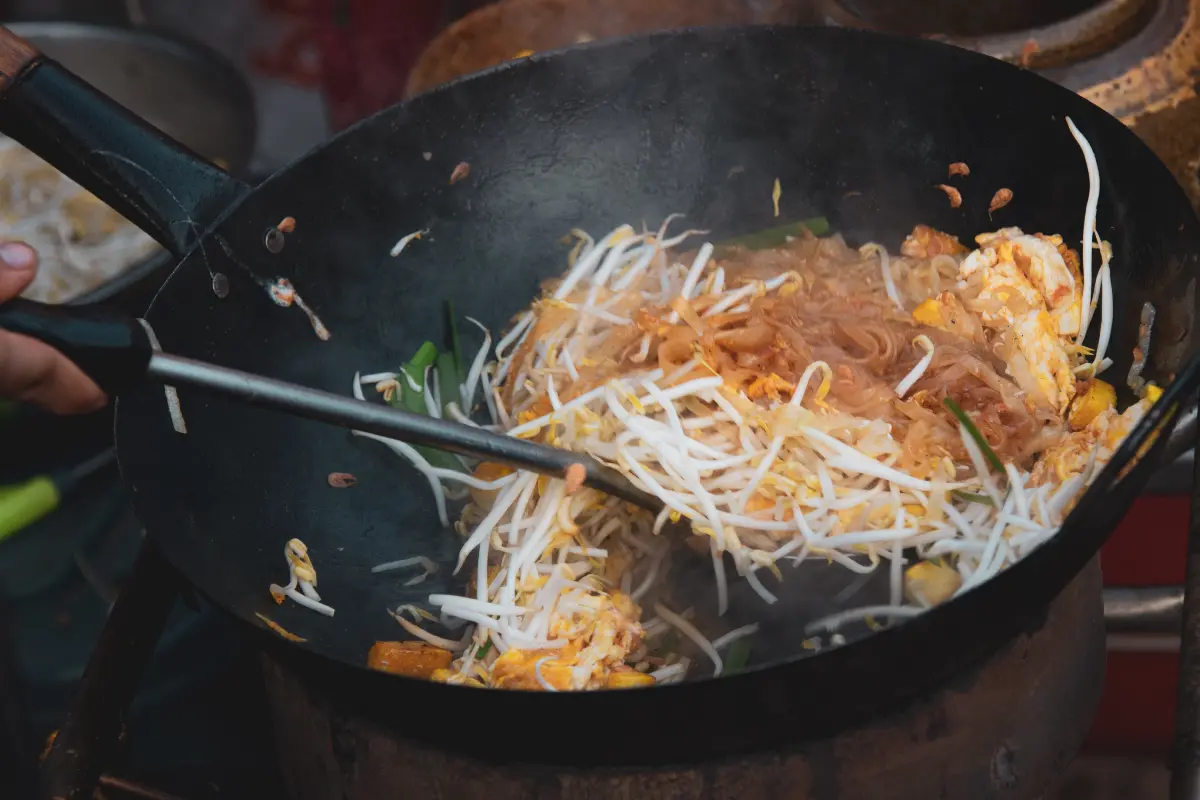
In the wok, cooking must be conducted at a brisk pace. Start by heating a good-quality cooking oil (such as vegetable or canola) and quickly sautéing the garlic and shallots until fragrant. Add the protein and cook until just done before pushing everything to one side to scramble the eggs. Once the eggs are set but still soft, mix everything in the wok before adding the drained noodles.
Then comes the pivotal moment—pouring in the tamarind sauce. The goal is to stir-fry rapidly, ensuring each strand of noodle is coated with the sauce without overcooking. This is where texture plays its part; the noodles should turn soft but not overly tender. Pad Thai's beauty lies in its slight chew, a testament to the dish's street food origins, where quick, high-heat cooking reigns supreme.
As the dish comes together, toss in the chives and bean sprouts for that fresh crunch. A final sprinkle of ground peanuts adds an earthy dimension and a play on textures that are commonly associated with Pad Thai. From here, it is customary to transfer the noodles to a plate, garnishing with a wedge of lime and additional peanuts.
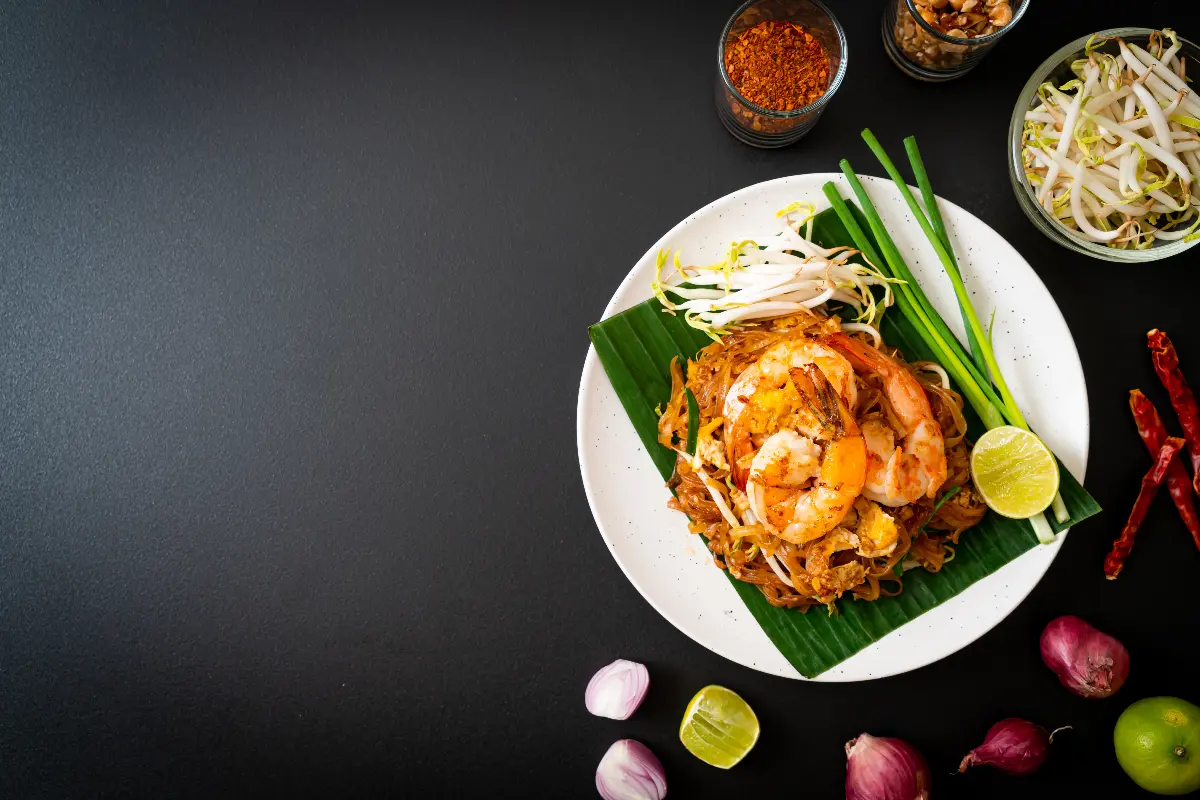
The true artistry in making Pad Thai at home comes down to understanding that while the basic components should remain consistent, there is room for interpretation. Some chefs swear by the addition of a small amount of pickled radish for an extra layer of tang, while others opt for a sprinkle of chilli powder for adventurous eaters who favour heat.
No single recipe embodies everyone's vision of the perfect Pad Thai, which is precisely why it's a dish that invites experimentation. The home cook can adjust the levels of sweetness, sourness, and heat to suit their palate, essentially creating a personalised version of this Thai classic. It pays homage to the traditional while reflecting the individual's taste preferences.
Beyond the plate, one should not forget the cultural significance of Pad Thai. It's a dish that was popularised during World War II as part of a campaign to reduce rice consumption, which was a staple in Thailand. By promoting rice noodles and incorporating elements from Chinese cuisine, the Thai government created a dish that has stood the test of time and become emblematic of national identity.
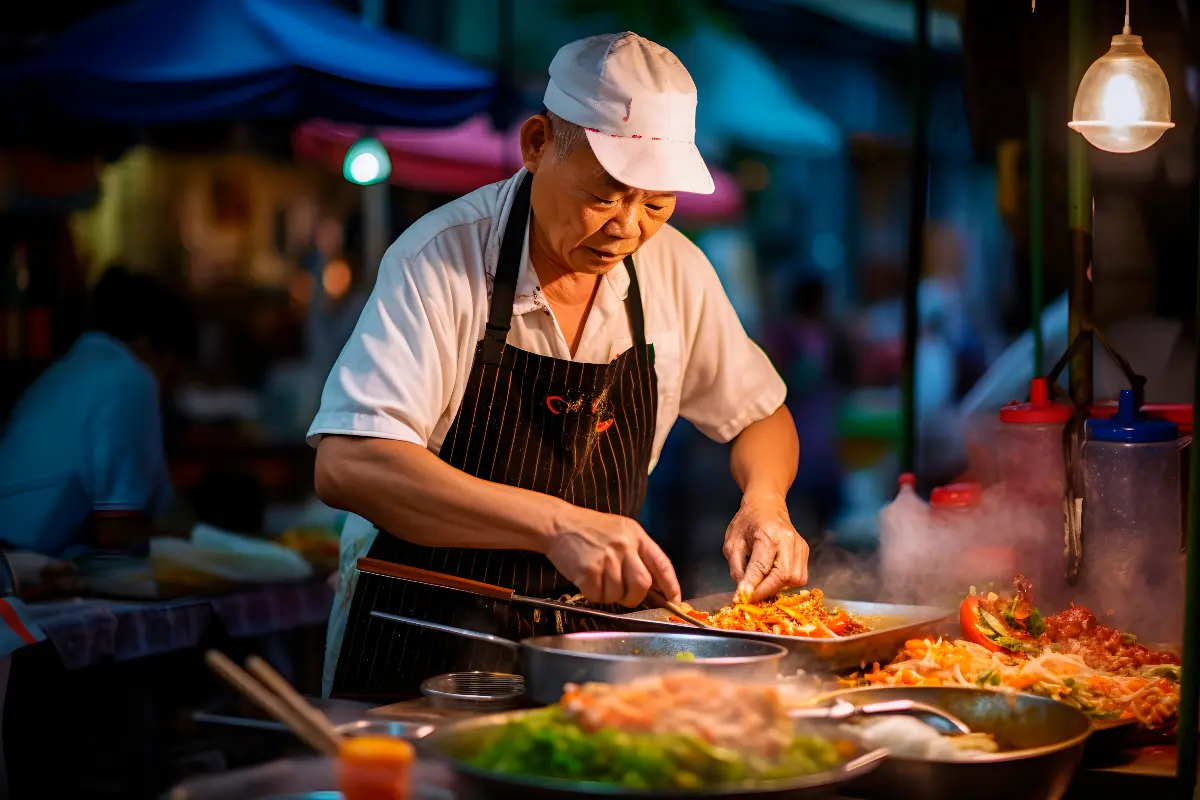
In the bustling hawker centres of Asia or the cosy kitchens scattered across the globe, Pad Thai serves as a culinary bridge, a dish that has the ability to transport one to the vibrant streets of Bangkok with each flavorful bite. As we explore the harmony of its ingredients and master the quick flames of the wok, we are not just cooking; we are engaging in a rich culinary tradition that is both a comfort and a celebration of Thai culture.
As you stand over your wok, watch the ingredients marry together under the dance of flames, and remember, Pad Thai is more than a recipe; it's an experience that embodies a culture's rich history and its passionate affair with food. So, go ahead, wield your spatula and let your kitchen be filled with the exotic aromas of Thailand—because with Pad Thai, every meal can be a gastronomic journey.