


Char Kway Teow, literally translated as "stir-fried rice cake strips," is a beloved Singaporean street food that has tantalized taste buds for generations. Known for its smoky aroma, savoury flavour, and mix of textures, this dish has become emblematic of the nation's melting pot culinary scene. But what if you could replicate this hawker delicacy in the comfort of your home kitchen? It's time to roll up your sleeves and unlock the flavor-packed secrets of creating an authentic Char Kway Teow.
The dish traces its origins to the Southeast Asian Chinese community and has been a staple in the local food culture. It’s found at nearly every hawker centre and food court, each with their own twist on the classic. The magic of Char Kway Teow lies not just in the ingredients, but in the technique. The traditional method involves a searing-hot wok to achieve 'wok hei' – the quintessential smoky essence of high-heat stir-frying. This might seem daunting, but it's attainable with patience and practice.
 POKE THEORY
 CAT & THE FIDDLE
 ICE LAB
 KOHI ROASTERY & COFFEE BAR
 TUK TUK CHA
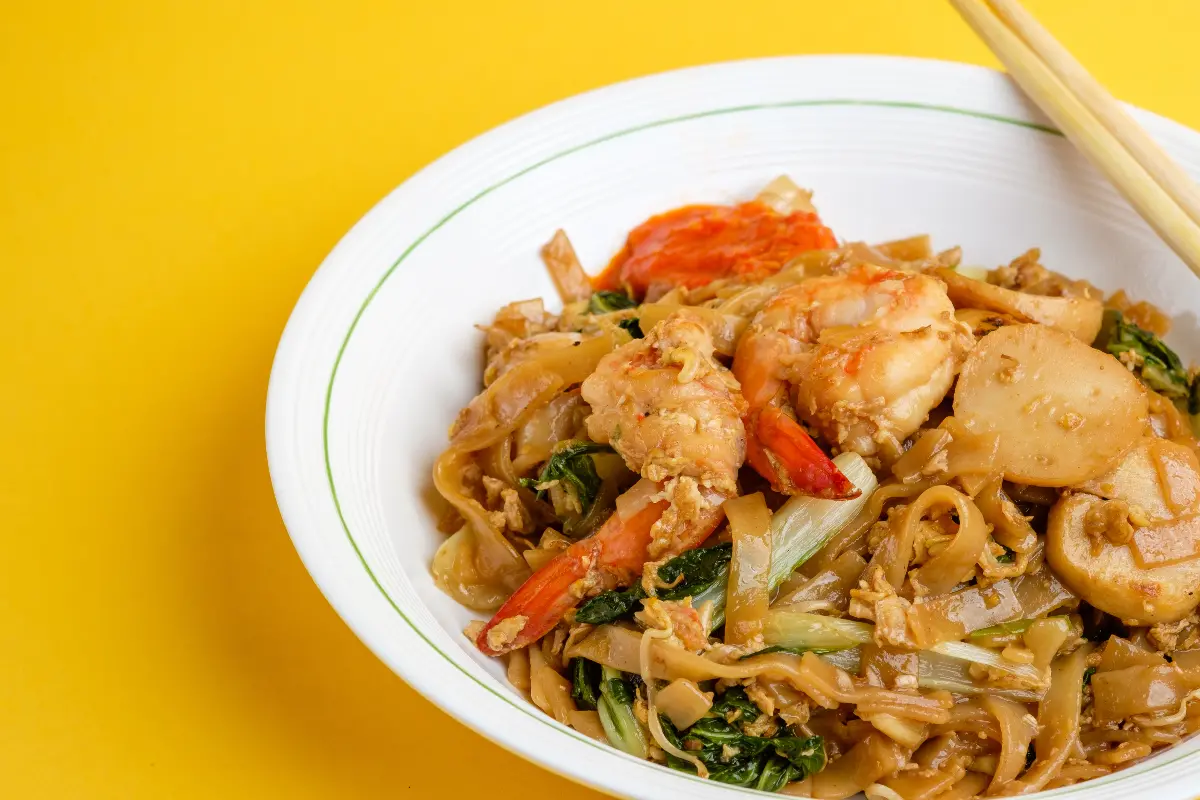
Before diving into the recipe, let's explore the essential ingredients that give Char Kway Teow its distinct character:
- Flat rice noodles, also known as kway teow, are the backbone of the dish. They should be soft with a chewy texture.
- Chinese sausage, or lap cheong, adds a sweet depth that contrasts the savoury notes.
- Eggs are cracked directly into the wok, adding a creamy texture that clings to the other ingredients.
- Beansprouts and Chinese chives provide the crunch and a fresh kick, balancing the richness of the dish.
- Prawns, often a staple, contribute to the seafood umami, while some recipes also include cockles for an additional flavour layer.
- A mixture of dark soy sauce for colour and light soy sauce for seasoning, along with a touch of oyster sauce, enhances the complexity of the dish.
- Garlic, minced and fried to aromatic perfection, sets the base for the other ingredients to mingle.
- Chilli adds a spicy edge, which can be adjusted to suit your tolerance.
Now for the secret weapon – lard. While healthier substitutions like vegetable or peanut oil can be used, traditional Char Kway Teow calls for the indulgent use of lard which imparts a richness not replicated with other oils. It may not be for the everyday meal but is worth trying at least once for authentic flavour.
To create your own hawker-style Char Kway Teow, gather the following ingredients for two servings:
- 200g of flat rice noodles (kway teow), fresh or dried (soak if dried)
- 2 tablespoons of lard or cooking oil
- 2 cloves of garlic, minced
- 2 Chinese sausages (lap cheong), thinly sliced
- 4-6 prawns, peeled and deveined
- A handful of cockles (optional, and ensure they are cleaned)
- 2 eggs
- 1 cup of beansprouts
- A small bunch of Chinese chives, cut into 2-inch lengths
- 1 tablespoon of dark soy sauce
- 2 tablespoons of light soy sauce
- 1 tablespoon of oyster sauce
- 1 teaspoon of chilli paste or fresh chilli (adjust to taste)
- Ground white pepper, to taste
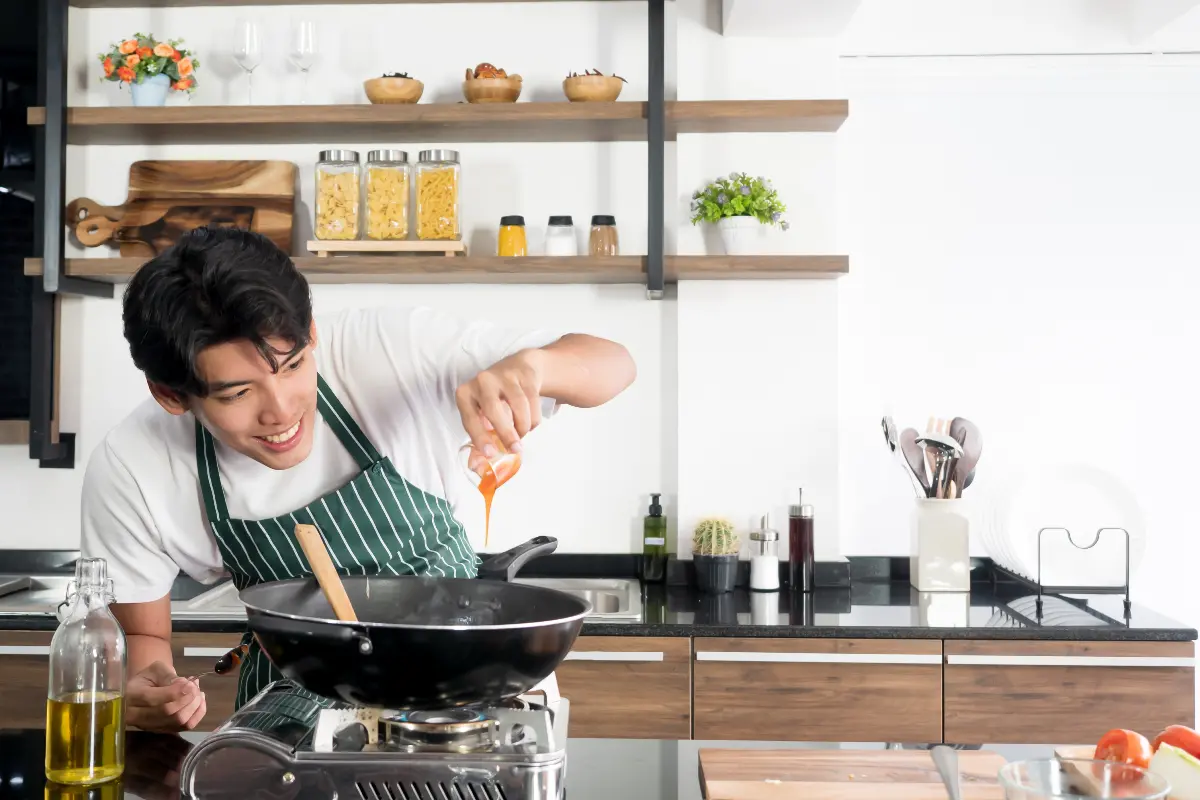
The allure of Char Kway Teow is also in its preparation, so here’s a tried-and-tested method to replicate hawkers' mastery:
1. Begin by preparing your ingredients – this dish cooks quickly, so you won't have time to chop as you go. Mince the garlic, slice the lap cheong, and clean the prawns and cockles if using. Measure out the sauces and set aside. Cut the chives and rinse the beansprouts to remove any dirt or grit.
2. If using fresh rice noodles, loosen them gently to separate; for dried noodles, follow the package instructions to rehydrate them until they're pliable and tender.
3. Preheat your wok on high heat until it's starting to smoke before adding lard or oil. The smoke means it's hot enough to start achieving that 'wok hei'.
4. Toss in the garlic and lap cheong, quickly frying them until they're aromatic and the garlic is slightly golden – this infuses the oil with their flavours.
5. Add the prawns (and cockles if using) and stir-fry for a minute until they start to turn pink.
6. Push everything to the side of the wok and crack the eggs into the center. Let them set for a few seconds and then scramble, mixing with the other cooked ingredients.
7. Add the rice noodles into the wok, followed quickly by the dark and light soy sauces, oyster sauce, and chilli. Toss and stir vigorously to ensure even coating – this is essential for the signature colour and flavour profile.
8. Throw in the chives and beansprouts, continuing to stir-fry for another minute. They should retain some of their crunch for texture contrast.
9. Season with ground white pepper and adjust the flavours with extra soy or chilli if needed.
10. Serve immediately – Char Kway Teow waits for no one. The dish is at its best when piping hot and fresh from the wok.
Accompany your homemade Char Kway Teow with sides like pickled green chillies for an extra tangy crunch and a cold drink to quench the inevitable fire from the chilli.
The journey of crafting the perfect Char Kway Teow is both a challenge and a delight for home cooks. Each attempt brings you closer to perfecting those smoky, stir-fried strands of heavenly hawker fare. So invite your friends, share the joy, and maybe, just maybe, keep this recipe your little secret – after all, everyone loves a chef with a trick up their sleeve.