


Fostering a love for learning in children isn't just about ensuring that they excel in their academic pursuits; it's about helping them discover a sense of wonder, curiosity, and joy in the learning process itself. When learning becomes a passion rather than a chore, children are more likely to develop into lifelong learners and embrace opportunities with a proactive perspective. So how do we, as parents, educators, or mentors, ignite and nurture this vital spark in our kids?
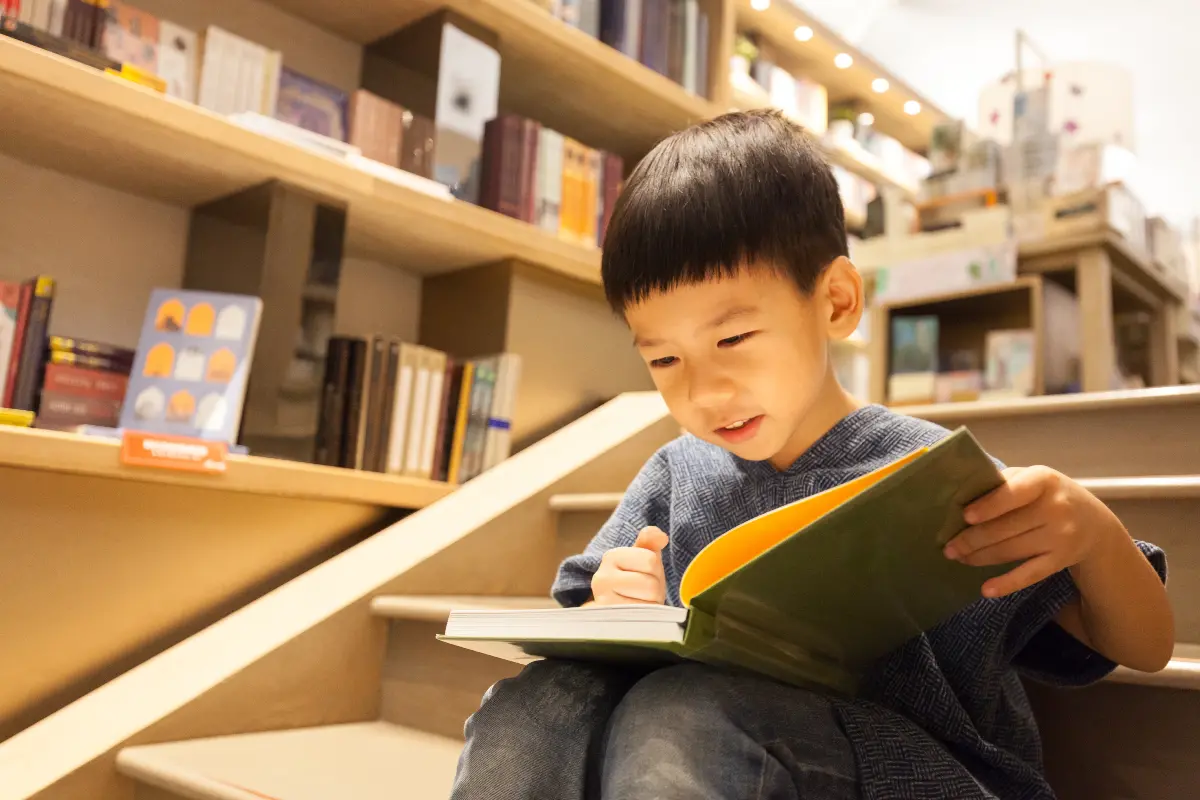
One of the first steps in inspiring a love for learning is to create a supportive and stimulating environment. Children who feel encouraged and safe are more likely to take the risks necessary for learning. Encouragement goes a long way, so celebrate their successes, no matter how small, and provide constructive feedback rather than criticism. Moreover, ensure that their learning environment is free from distractions and comfortable, allowing them to focus on the tasks at hand.
Another important aspect is to understand and cater to individual learning styles. Some children are visual learners; others may be auditory or kinesthetic. Paying attention to how your child learns best will help customize their learning experiences. For instance, a child who learns visually might benefit immensely from charts, videos, and books with plenty of illustrations, while an auditory learner could benefit from reading aloud or engaging in discussions to process new information.
It's also crucial to show enthusiasm for learning yourself. Children are observant and often emulate the behaviors they see in adults. Share your own interests and learning pursuits with them. Whether it's cooking a new recipe, fixing a household item, or reading a book on a topic that excites you, showing that learning is a lifelong journey can be truly inspirational for children.
Encouraging exploration and curiosity is another powerful method. Answer their questions, and more importantly, ask them questions that make them think. Instead of providing them with answers, guide them on how to find answers themselves. This could mean a trip to the library to research a topic, conducting a small experiment at home, or even browsing educational websites together.

Making learning real and relevant can also significantly boost motivation. Show children how what they are learning applies to the real world. If they are learning mathematics, illustrate how it is used in cooking or in managing finances. If they are learning a language, show how it can be used to communicate with people from other countries or understand different cultures. This real-world connection can make abstract concepts much more understandable and memorable.
Furthermore, integrating technology wisely can harness children's affinity for the digital world for educational purposes. From educational apps to online courses, the opportunities for learning through technology are vast. Caution should be exercised to ensure screen time is productive and not excessive, balancing technology-based learning with other forms.
Offering choices is a strategy that fosters independence and personal responsibility. When children are allowed to make choices about their learning, they feel empowered and invested. Whether it's choosing which book to read or picking a topic for a project, having a say in their learning journey increases engagement.
Do not underestimate the power of play in learning. Play is a natural way through which children explore and make sense of the world. Educational games, role-playing, and hands-on activities are not only enjoyable but can cement knowledge in a manner that traditional teaching methods may not.
Social interactions and peer learning are also essential factors in building a love for learning. Encourage your child to discuss what they are learning with friends or engage in group activities. Such interactions can deepen their understanding and often provide different perspectives that enrich their learning experience.

Lastly, be patient and persistent. Every child's pace of learning and interest areas will differ. It may take time to see the fruits of these efforts, but the results are worth the wait. A love for learning is a gift that keeps on giving, and the confidence, skills, and curiosity it instills will benefit your child throughout their life.
In conclusion, inspiring a love for learning in children is about creating the right environment, understanding their individual needs, setting an example, and encouraging exploration and curiosity. By applying these strategies, we are not just preparing our kids for tests and grades; we are preparing them for life, enabling them to face the world with an eager mind and an unquenchable thirst for knowledge. It's through this nurturing approach that we can hope to see our children not just succeed academically but become well-rounded individuals who contribute significantly to society.