


Oats have long been a staple in the breakfast bowls of many homes in Southeast Asia and across the globe. With their rich fibre content and multitude of health benefits, oats are often touted as a superfood. Lately, a term has been floating around the wellness community with increasing popularity: 'Oatzempic'. This catchy moniker alludes to the idea that oats can play a significant role in weight management, much like how certain diabetes medications function to regulate blood sugar levels and, concomitantly, body weight. But how much science is there behind oats and weight loss? Let's explore the facts.
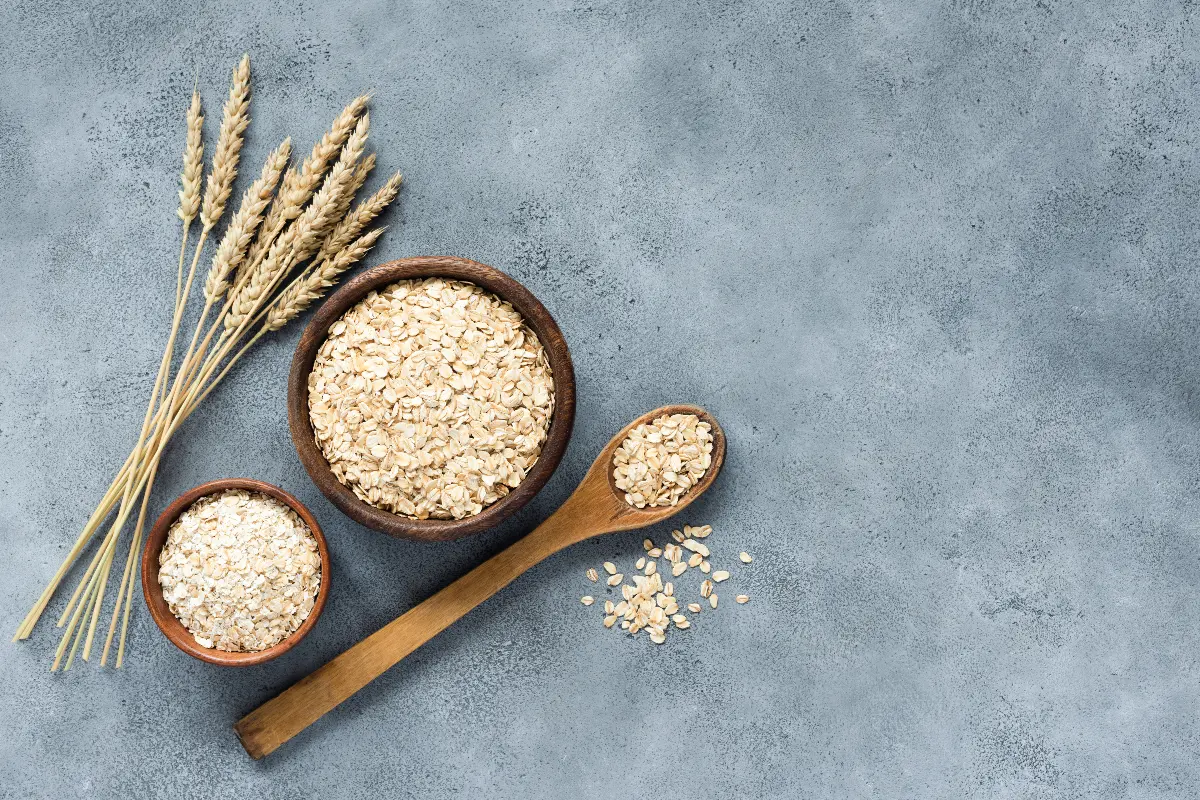
Beginning with the basics, oats are whole grains and are predominantly made up of carbohydrates. However, they aren't just any carbs; they are complex carbohydrates, which means they digest slowly, providing a sustained release of energy. A unique feature of oats is that they contain a significant amount of soluble fibre, particularly a type called beta-glucan. Beta-glucan has been shown to have a plethora of health benefits, including lower blood sugar levels, reduced cholesterol, and, importantly, a boost to weight loss efforts.
The mechanism behind the effectiveness of oats for weight loss is multifaceted. Starting with appetite control, the soluble fibre in oats absorbs water and expands in the stomach. This not only helps to keep you feeling fuller for longer, reducing overall calorie intake, but also slows down the digestion process, which means blood sugar levels rise more gradually after a meal. This slower digestion is crucial because it prevents the rapid spikes in blood sugar and insulin that can lead to increased hunger and, eventually, overeating.
Moreover, oats may aid in enhancing metabolic health. Regular consumption of beta-glucan from oats is linked to improved insulin sensitivity. For those who are unaware, insulin is the hormone responsible for shuttling sugars from the bloodstream into the body's cells. Enhanced insulin sensitivity makes it easier for the body to manage blood sugar levels, which is not only vital for those with diabetes but also critical for individuals who are looking to shed some weight.
The beta-glucan in oats also influences lipid metabolism; research has suggested that oat consumption can lead to modest reductions in cholesterol, particularly the harmful LDL cholesterol. This lipid-lowering effect can further contribute to improving one's overall metabolic profile.

Now, turn to how oatmeal assists in weight loss directly. The thermic effect of food is the amount of energy expended by our bodies in order to digest, absorb, and process the nutrients. Whole grains, like oats, have a higher thermic effect compared to processed grains because they require more energy to break down. This means that the body burns more calories processing oats than it does processing more refined carbohydrates.
The physical structure of whole oats also contributes to their weight-loss properties, given that they contain more fibre and thus offer a texture that requires more chewing. It takes longer to eat oatmeal compared to a refined cereal, which can help send signals of fullness to your brain before you've overeaten. Studies have also shown that people who eat whole grains like oats tend to have healthier body weights and less fat accumulation compared to those who consume refined grains.
Let's not forget the effect of oats on the gut microbiota. The gut microbiome plays a crucial role in the body's overall health, affecting everything from immunity to mood regulation and, of course, weight management. The soluble fibre in oats serves as a prebiotic, nourishing the good bacteria in the gut. A healthy gut microbiota composition can help manage inflammation, potentially leading to better weight control.
On a slightly different note, the versatility of oats is also a boon for weight loss. They can be prepared in a myriad of ways, from classic oatmeal to overnight oats and from savoury oat-based patties to smoothies. Oats can seamlessly take on the role that refined grains once had in meals, providing a healthier, more weight-friendly alternative. Oats can also easily accommodate a range of dietary preferences, from gluten-free to vegan diets, making them an inclusive option for those looking to manage their weight without feeling restricted.
But while the evidence supporting the relationship between oats and weight loss is robust, the 'Oatzempic' concept should not be taken as a miraculous solution. Weight management is complex and multifactorial, and no single food can act as a silver bullet. Oats can undeniably form the cornerstone of a healthy, balanced diet that supports weight loss, but they need to be integrated with other healthy lifestyle choices. This includes regular physical activity, adequate hydration, sufficient sleep, and an overall balanced diet rich in fruits, vegetables, lean proteins, and other whole grains.
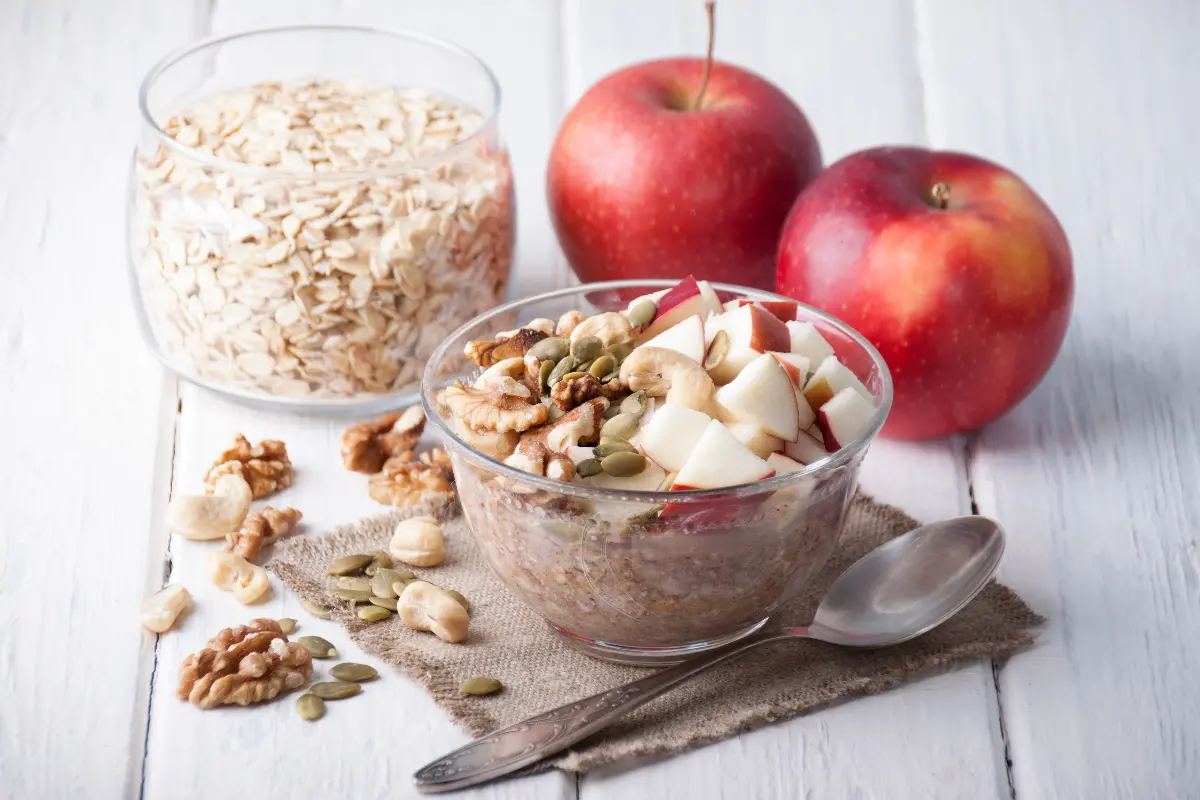
Furthermore, portion control is essential, even with foods as nutritious as oats. Just because something contributes to weight loss doesn't mean it can be eaten in unlimited quantities. It's important to follow serving size recommendations and consider the toppings you add to oats, as sugars, high-calorie syrups, or excessive amounts of dried fruits and nuts can quickly turn a weight-loss-friendly bowl of oats into a calorie-dense meal.
In summary, the saga of 'Oatzempic' unveils the fact that oats can indeed be instrumental in weight management. Their high fibre content, particularly the presence of beta-glucan, their complex carbohydrate structure, their positive effects on metabolic health, the thermic effect they induce, and their prebiotic nature contribute to this role. However, oats are merely one element of a holistic approach to weight loss. Whether you're aiming to shed a few kilos or maintain a healthy body weight, integrating oats as part of a varied and balanced diet can be an effective, tasty, and heartwarming strategy to achieve your goals.