


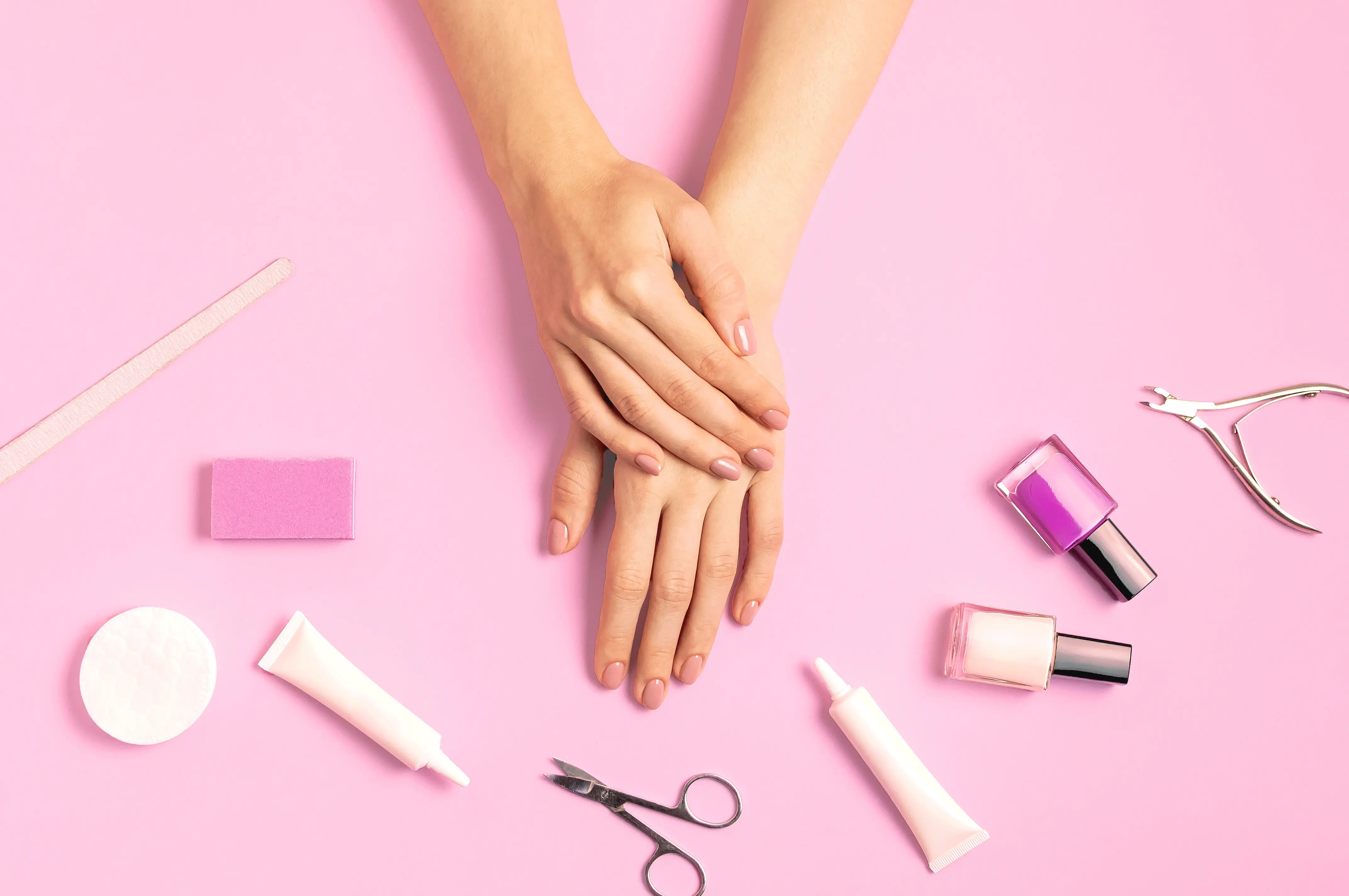
Keeping your nails clean is more than just a beauty ritual—it's a crucial aspect of personal hygiene that often gets overlooked. While well-manicured hands can indeed make a great first impression, the health benefits of clean nails are far more compelling. Unkempt nails can harbour dirt, bacteria, and other pathogens, leading to skin infections, nail disorders, or even the spread of illness. Here are comprehensive yet simple tips to maintain the cleanliness and health of your nails.
Before diving into the specifics, let’s establish that nail care is essential for everyone, regardless of gender. Nails can become breeding grounds for bacteria due to their natural design. As such, caring for them isn’t just for aesthetic purposes—it's a necessary part of overall well-being.
First and foremost, regular trimming is the foundation of nail hygiene. Longer nails are more prone to accumulating grime and more challenging to clean thoroughly. Aim to trim fingernails every two weeks, though the precise frequency may vary based on how quickly your nails grow. Toenails, which grow more slowly, can be trimmed every four to six weeks. Always use clean, sharp nail scissors or clippers, and cut straight across to prevent ingrown nails. Gently round the edges with a nail file to smooth any sharp corners that might snag and tear.
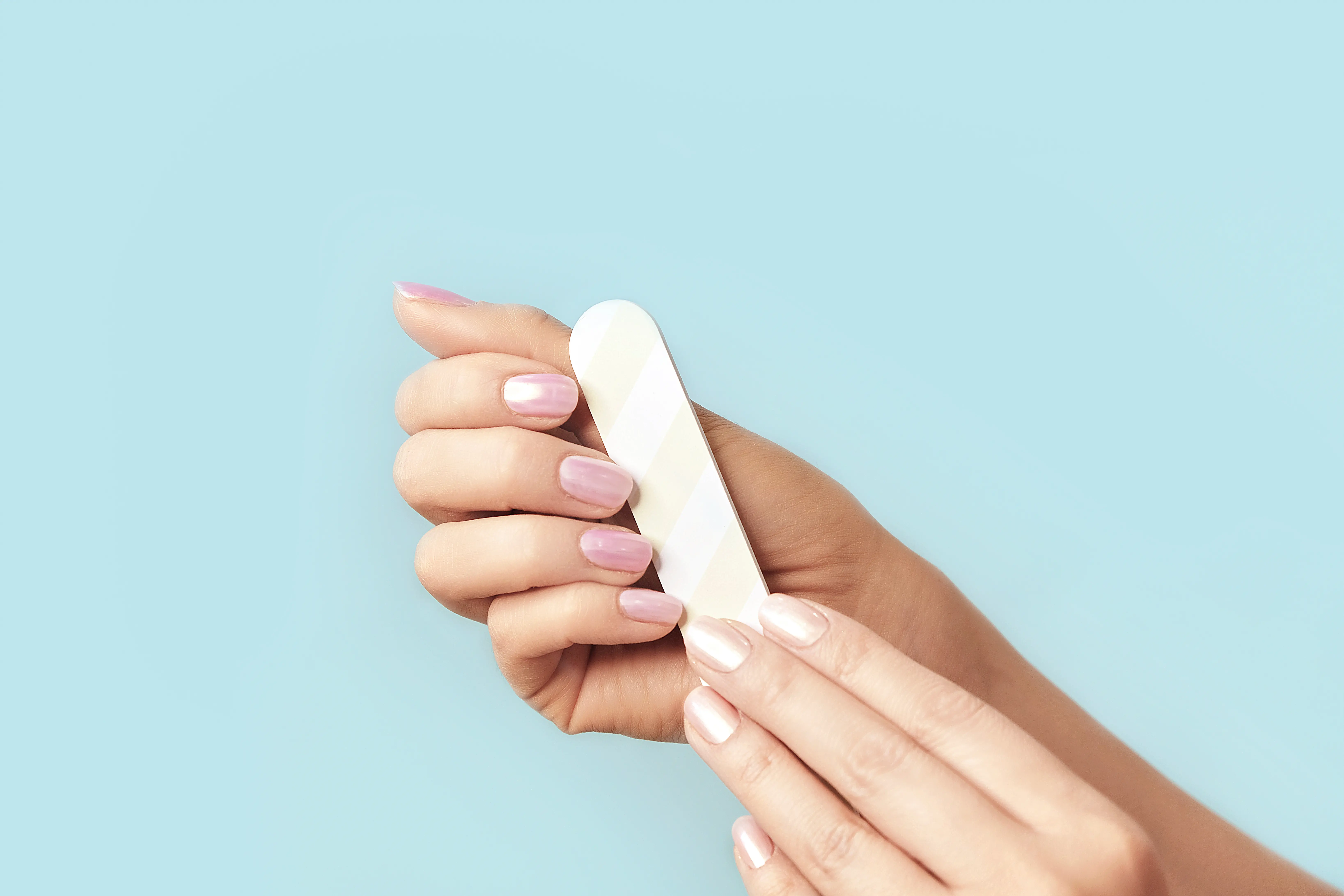
The importance of gentle nail care can't be overstated. Avoid overly aggressive manicure tools and techniques that can damage the nail bed or cuticles, such as metal files or cuticle cutters. The cuticle serves as a barrier to protect the nail matrix, the part where new nail growth originates. Instead, after soaking your hands in warm water, gently push back the cuticles with a soft wooden stick. Remember, never cut them.
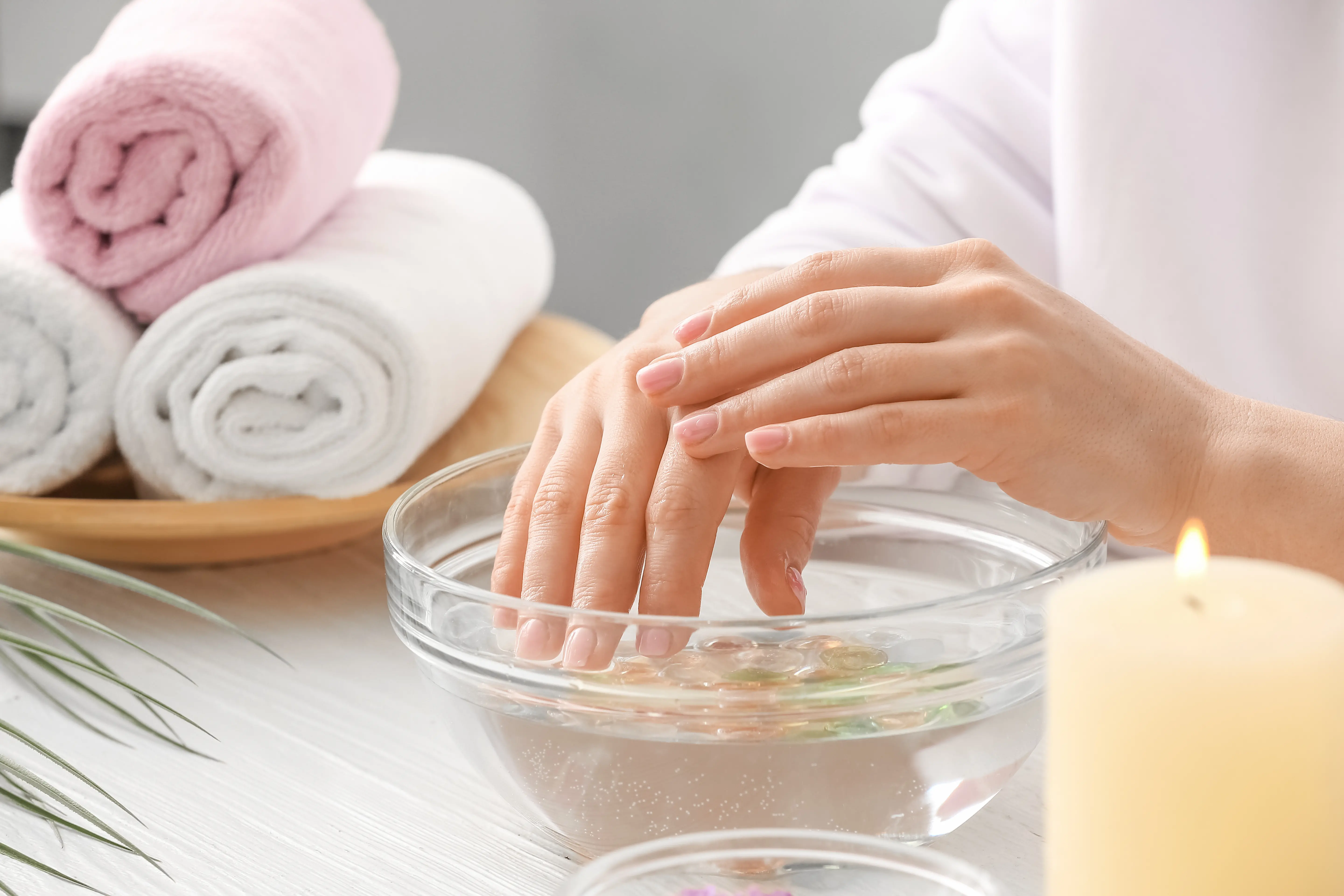
Speaking of soaking, it's a wonderful method for both cleaning and preparing the nails for maintenance. A few minutes in warm, soapy water not only softens the nails and cuticles, but it also loosens dirt and debris. Incorporate a nail brush into this routine to gently scrub under and around the nails. If you’re battling persistent grime, a soft toothbrush can substitute as an effective tool for getting into the hard-to-reach areas under the nail tips.
Hydration is also key to nail care. Just as you moisturise your skin, your nails and cuticles also need the same attention. Regularly applying a moisturiser helps prevent the nails from becoming brittle and the cuticles from becoming dry and cracked, which could potentially allow for infections. Look for products that contain ceramides, hyaluronic acid, or alpha-hydroxy acids for the best results.
For those inclined towards nail polish, remember that it’s paramount to give your nails a breather now and then. Constant application of nail polish can lead to yellowing and weaken the nail structure. When using polish, opt for brands that are free of harsh chemicals like formaldehyde, dibutyl phthalate (DBP), and toluene. Ensure you use a base coat to protect the nail surface, and when it’s time to remove the polish, use an acetone-free remover.
Don’t ignore the warning signs your nails may be showing you. Discoloration, spots, and abnormal growth patterns could all point to underlying health issues. White spots, for instance, often indicate minor trauma to the nails but can also signal zinc deficiency. Similarly, severe ridges or brittle nails might be a sign of a more significant health issue that warrants a visit to a dermatologist or a healthcare provider.
Maintaining a balanced diet contributes significantly to nail health. Nails are made of keratin, a type of protein, so ensure that your diet includes a good protein source like lean meats, fish, or legumes. Vitamins and minerals like biotin, vitamin E, iron, and calcium all promote nail strength and vitality.
Lastly, let's address the concerns of nail-biters. Nail biting is a common habit that not only affects the appearance of your nails but also poses a health risk by transferring bacteria from the nails to the mouth, potentially leading to illnesses. Plus, it can damage the nail bed and lead to chronic pain or infection. Take steps to curb this habit through stress-management techniques or by using bitter-tasting nail products designed to deter biting.
In conclusion, while they may be a small part of our body, nails hold significant weight in our overall health and hygiene practices. By incorporating these simple and essential tips into your routine, you'll ensure that your nails are not only looking great but also in top health. This routine can form part of a wider self-care ritual that is as much about good health as it is about beauty. Whether you're shaking hands with a new business partner or gearing up for a night out, rest assured, your nails will help you make the best impression.