


In recent years, homemade ramen has stormed into the culinary scene, enchanting food enthusiasts with its rich flavors and intricate preparation. Slurping up a bowl of ramen isn't just about satiating hunger; it's an adventure through layers of taste and texture, each spoonful an ode to Japanese culinary artistry. As you embark on the quest to craft your bowl of homemade ramen, prepare to be bewitched by the endless variations and the sheer joy of creation.

The first step into the ramen realm is understanding its components: noodles, tare (seasoning), broth, and toppings. Each element is crucial to the final product and deserves your attention and care.
Let's knead our way into the heart of ramen—the noodles. These aren't just any noodles; they are distinct with a firm, chewy texture, thanks to the alkaline mineral water, kansui, which gives them their characteristic spring and yellow hue. You can make ramen noodles from scratch using wheat flour, kansui, salt, and water. However, achieving the perfect texture can be a labor of love for home chefs. If you're short on time, store-bought fresh or dried ramen noodles can serve as a noble substitute for the homemade variety.
Next is the soul of ramen—the broth. A labor-intensive yet rewarding endeavor, the broth reflects the depth of ramen's identity. There are four main types: shoyu (soy sauce-based), shio (salt-based), miso (fermented soybean paste-based), and tonkotsu (pork bone-based). Shoyu and shio broths are clearer and lighter, while miso and tonkotsu have a rich, hearty profile. To make a traditional broth, simmer bones, meat, kombu (kelp), and sometimes additional flavors like onions, garlic, and mushrooms over low heat for several hours. This slow cooking process extracts flavor and creates a complex base for your ramen.
The tare is the concentrated essence of ramen's flavor. This potent seasoning sauce is mixed into the broth to define the ramen's character. Whether it's the salty tang of shoyu, the creamy depth of miso, or the umami punch of tonkotsu, your choice of tare will influence every slurp. Preparing tare involves reducing ingredients such as soy sauce, sake, mirin, and other aromatics until they meld into a symphony of flavors.
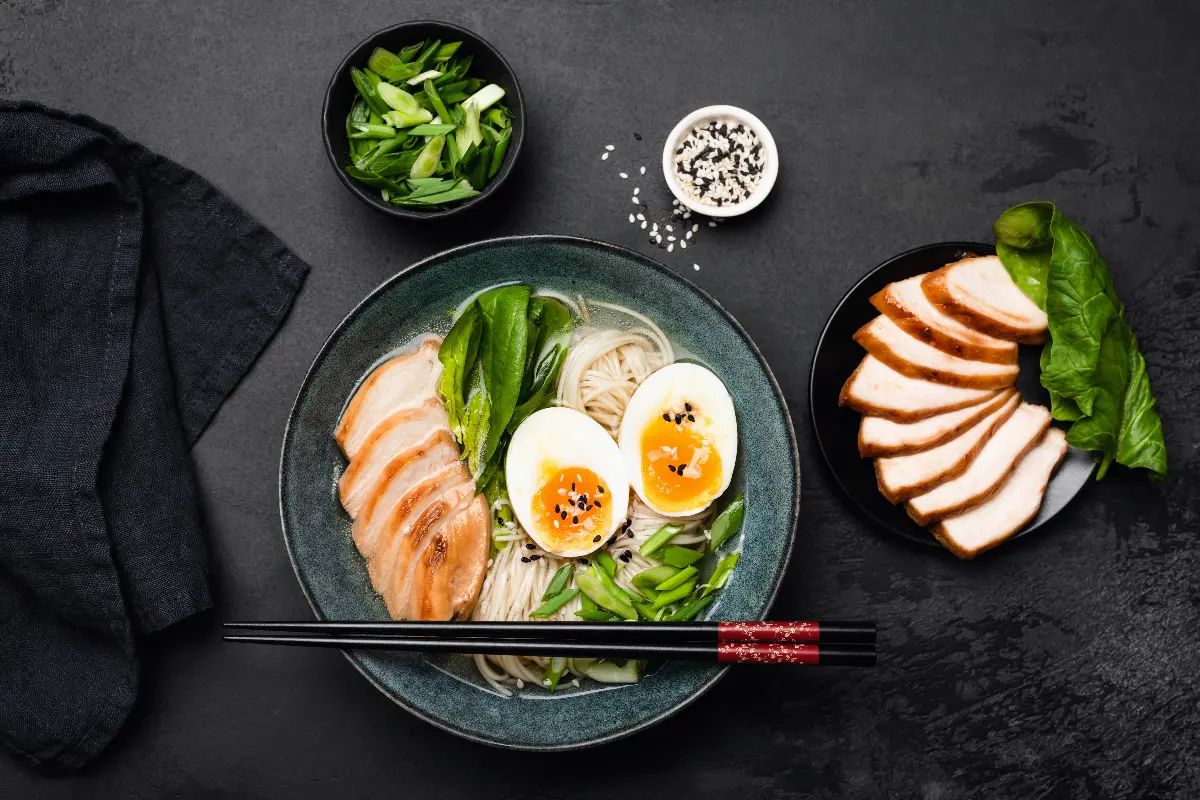
Perhaps the most customizable aspect of ramen is the toppings. They add not only flavor but also texture and visual appeal. Common toppings include sliced meats like chashu (braised pork), green onions, nori (dried seaweed), menma (fermented bamboo shoots), and marinated soft-boiled eggs known as ajitama. Additional toppings can include bean sprouts, corn, butter, and pickled ginger, allowing for an array of tastes and textures.
Now, let's walk through the steps of assembling your bowl of homemade ramen. Begin by bringing your broth to a simmer; it must be piping hot when served. Meanwhile, prepare your noodles by cooking them in boiling water until just al dente. Timing is crucial; you want them to retain some bite, as they'll continue cooking slightly once in the hot broth.
While the noodles cook, place a ladleful of your tare into the serving bowl. Once the noodles are done, quickly drain them and add them to the bowl with the tare. Now it's time for the grand act: Pour the steaming broth over the noodles, making sure to mix well to disperse the tare evenly.
Topping time is where the magic happens. Layer your preferred ingredients onto the noodles, arranging them neatly for visual impact—after all, we eat with our eyes first. Start with your protein, such as slices of chashu, then add your vegetables. Finish off with a perfectly halved ajitama perched atop the heavenly mix.

Japanese culture emphasizes presentation and experiencing food with all the senses. So, take a moment to admire your creation before you dive in. When eating ramen, it's customary—and encouraged—to slurp loudly. This isn't rude, but a way to aerate the noodles and broth, enhancing the flavors and demonstrating your enjoyment.
Lastly, let's not forget ramen's history and significance. Originating from China and having been adapted over the years by the Japanese, each bowl of ramen reflects a melding of cultures and history in every slurp. While variations and innovations keep emerging, the essence of ramen—a comforting bowl filled with layers of flavor and texture—remains unchanged.
Homemade ramen may seem daunting, but it's a novel culinary endeavor that promises a delightful and delicious reward. As you refine your ramen recipe, you'll notice your distinct touch shaping the dish. From the chew of the noodles to the richness of the broth, your homemade ramen will be a testament to your personal culinary journey. Whether for a special occasion or a heartfelt dinner, a bowl of homemade ramen is a warm and inviting experience to be shared and savored. So gather your ingredients, summon your patience, and get ready to slurp it up!