


In the quest for youthful, radiant skin, the labyrinth of skincare advice can be as complex as the ingredient lists on our favourite products. In this pursuit of complexion perfection, it's easy to fall prey to myths that promise miraculous results but often lead us astray. Let's demystify some common skincare misconceptions and arm you with facts to enhance your routine effectively.

To start off, one of the most pervasive myths is that you don't need to moisturise if you have oily skin. This couldn't be further from the truth. In reality, moisturising helps to balance the skin's natural oils. Without adequate moisture, your skin might produce even more oil to compensate for dryness. Opt for oil-free or non-comedogenic moisturisers that hydrate without clogging your pores.
Another misconception is the notion that higher SPF values equate to exponentially better protection. While it's true that a higher SPF offers more protection, the difference is marginal beyond a certain point. For example, an SPF 30 filters out 97% of UVB rays, while an SPF 50 filters out 98%. It’s crucial to apply sunscreen liberally and reapply regularly, regardless of the SPF level, to ensure effective protection.
Speaking of sun protection, many believe that darker skin doesn’t require sunscreen. This is a myth that can have serious repercussions. Although melanin does provide some natural protection, it does not guard against all the harmful effects of UV radiation. No matter your skin tone, using sunscreen is crucial to preventing damage and skin cancer.
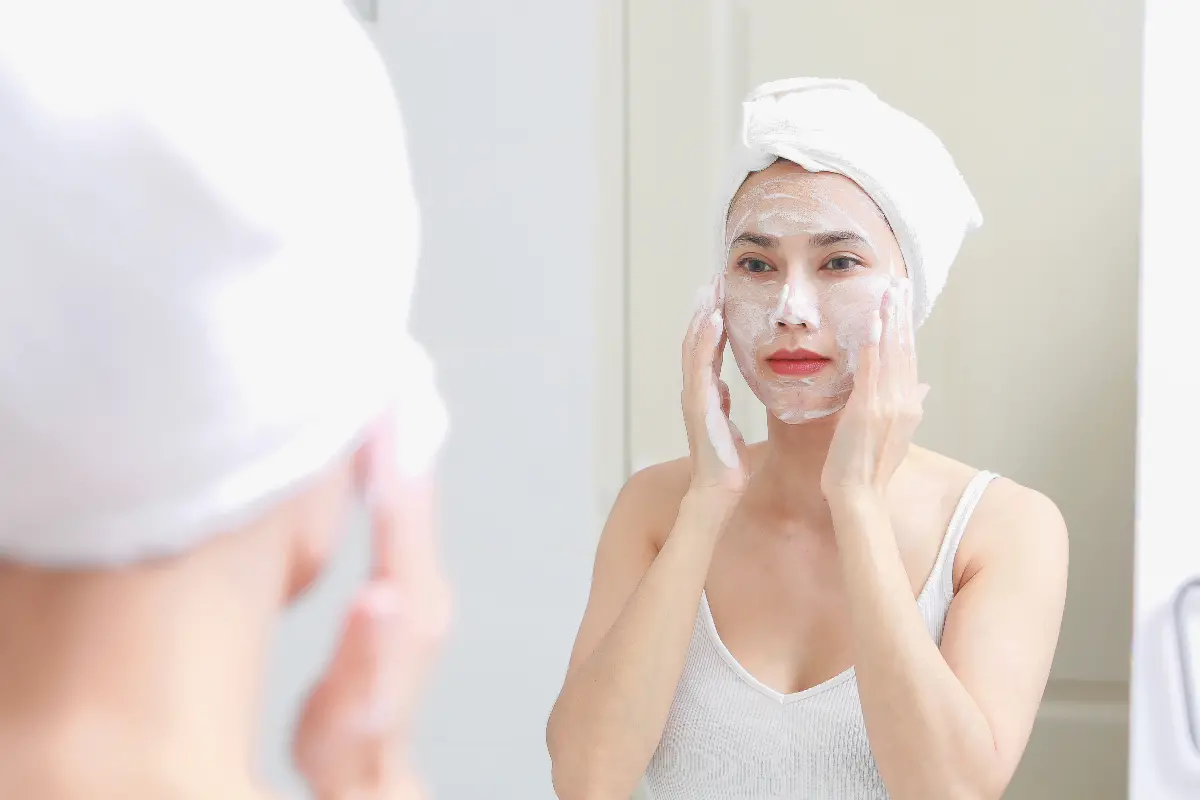
Scrubbing away at your face to combat acne seems like it should work, but in reality, it's counterproductive. Vigorous scrubbing can irritate your skin, exacerbate inflammation, and even lead to scarring. Gentle cleansing and exfoliation are far more beneficial for managing acne-prone skin.
Making a grand appearance in the world of skincare tall tales is the myth that expensive products are always more effective. High price tags often reflect brand prestige, marketing, and packaging rather than the quality or efficacy of the ingredients. Many affordable products contain the same active ingredients as their luxury counterparts. It’s key to research and seek out products that are suitable for your skin type and concerns, rather than focusing on price.
One of the biggest fallacies in skincare is using toothpaste to treat pimples. Although it may dry out the pimple initially, toothpaste can irritate the skin and lead to more breakouts. Spot treatments formulated for acne contain ingredients that target the pimple without harming the surrounding skin.
Then there's the myth that you should choose skincare products based solely on your age. Age can guide your skincare choices, but it shouldn't be the sole factor. Many factors, including skin type, genetics, and environmental exposure, also play crucial roles. For example, a twenty-something with dry skin might benefit from a rich moisturiser typically marketed to older demographics.
The belief that natural or organic skincare is always better is also a common trap. While natural ingredients can be beneficial and less irritating for some people, they can also cause allergic reactions or be less effective for others. Moreover, synthetic ingredients are not inherently harmful and can be highly effective and safe. It’s essential to evaluate a product based on its overall formulation, not just whether its ingredients are derived from nature.
Lastly, the myth that "if it burns, it's working" can be harmful. A slight tingling sensation can be normal with certain products, such as those containing acids or retinol, but intense burning or stinging is a sign of irritation. Skincare should not be painful. If you experience a strong reaction, discontinue use and consult a dermatologist.
In the vast universe of skincare, knowledge is your best ally. Being informed helps you navigate past the myths and choose the right path for your skincare journey. Remember that everyone's skin is unique, and what works for one person may not work for another. It's essential to listen to your skin and adjust your skincare routine accordingly. If you're ever in doubt, consult with a skincare professional who can provide personalised advice tailored to your individual needs. In the end, a well-researched, consistent skincare routine will always triumph over a regimen based on myths and misconceptions.