


In the bustling city-state of Singapore, where innovation and sustainability are deeply ingrained into the urban fabric, electric and hybrid cars are becoming increasingly significant. As we navigate through the dynamic landscape of automobiles, the roar of traditional engines is gradually being replaced by the quiet hum of electric motors. This shift is not just a trend; it's an essential transition towards a cleaner, greener future.
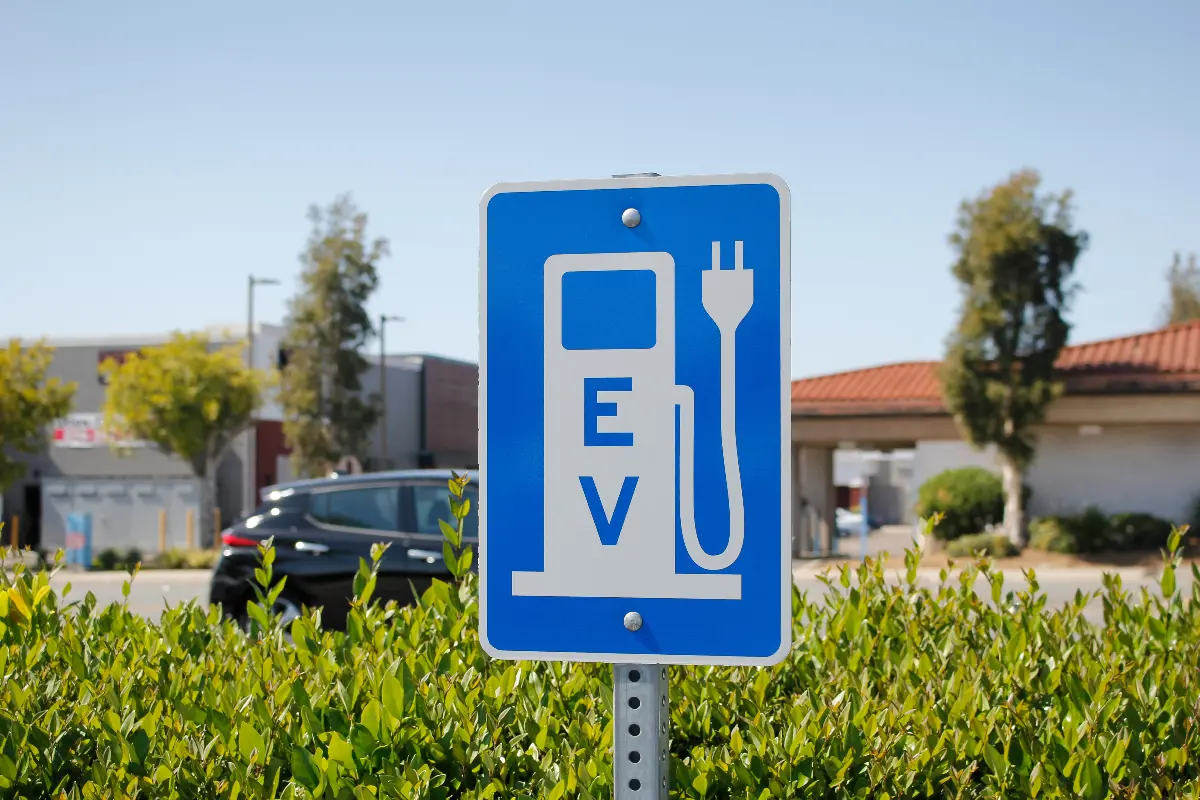
Let's start by understanding what sets electric and hybrid cars apart from their gasoline-powered counterparts. Electric vehicles (EVs) are propelled by one or more electric motors, using energy stored in rechargeable batteries. These batteries are charged by plugging the vehicle into an external power source, like the numerous charging stations sprouting across the island. The simplicity of electric drivetrains offers a smooth and silent ride, with the added benefit of zero tailpipe emissions, contributing to improved air quality and a reduction in greenhouse gases.
Hybrid vehicles, on the other hand, employ a dual system: they combine a conventional internal combustion engine with an electric propulsion system. The magic of hybrids lies in their ability to optimize fuel efficiency by switching between the electric motor and gasoline engine or using both simultaneously for an extra burst of power. This synergy isn't just good for your wallet; it’s gentle on the environment too.
But how do these cars fare in the city's stop-and-go traffic and compact urban landscape? Exceptionally well, it turns out. Electric engines are responsive and provide instant torque, meaning quick acceleration from a standstill—perfect for the quick pace of city driving. Additionally, regenerative braking, a feature commonly found in these vehicles, allows the car to recover energy that would otherwise be lost during braking, further enhancing efficiency.
One remarkable benefit of electric cars is their low maintenance requirements. Without the complex parts of a traditional engine, there's less wear and tear, which means fewer trips to the mechanic and more savings in the long run. Hybrids, while more complex than pure electric vehicles, still offer maintenance advantages over conventional cars due to their more efficient use of the engine.
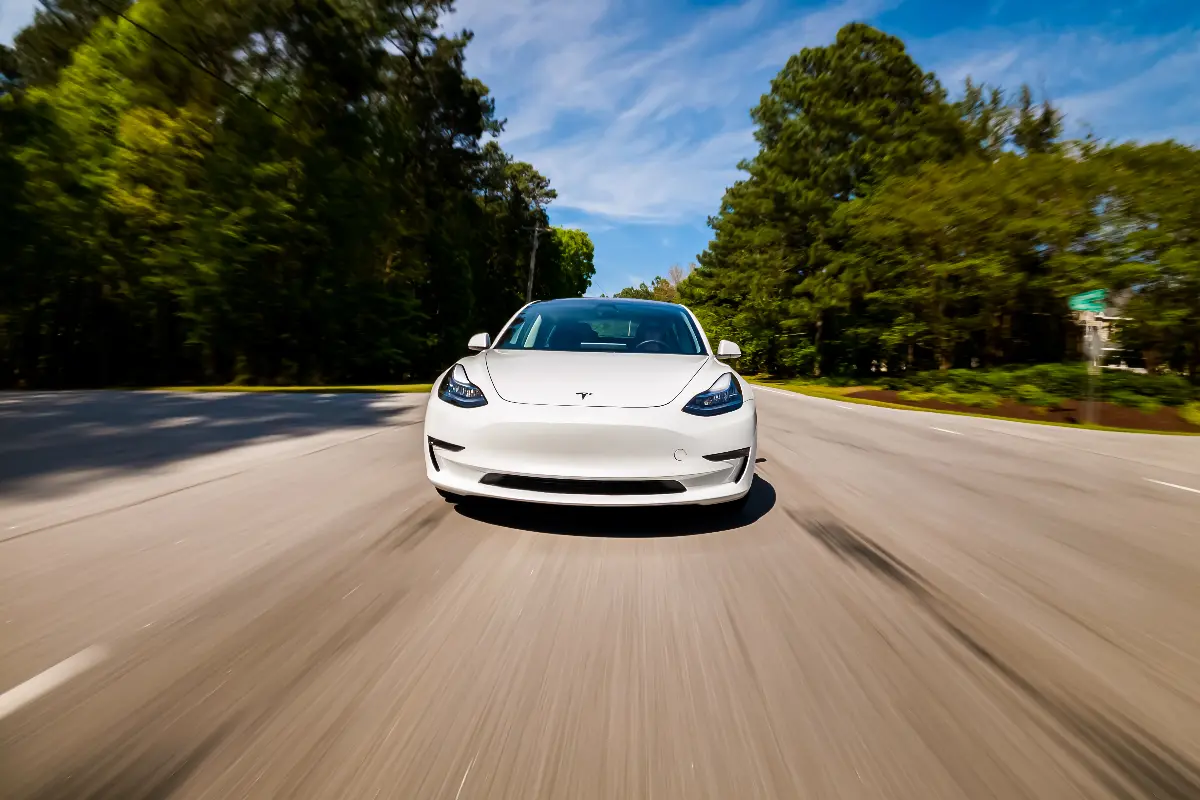
For those concerned about range, technological advancements have been relentless. Modern EVs offer ranges that easily cover the average daily commute. Moreover, with the Southeast Asian governments' commitment to deploy more charging stations nationwide, owning an EV is becoming as practical and convenient as any petrol-driven vehicle.
But it's not just practicality that's driving the growth of EVs and hybrids; performance is a significant factor too. Many high-end electric cars are now rivaling, if not surpassing, the acceleration capabilities of sports cars. The instantaneous power delivery from electric motors allows for exhilarating performance, all while being whisper-quiet.
Let’s delve into some fascinating facts: did you know that the world’s fastest-accelerating production cars are electric? Vehicles like the Tesla Model S Plaid can rocket from 0 to 100 km/h in just over 2 seconds, showcasing the untapped potential of EV performance. This blistering acceleration is the result of the instant torque available from electric motors, combined with sophisticated traction control systems.
Hybrid technology has also seen its fair share of success in motorsports, with technology from Formula 1 cars trickling down to consumer vehicles. Hybrid systems in racing have demonstrated not just increased efficiency but also performance enhancements, contributing to faster lap times without compromising on fuel economy. This high-level technology makes its way into the hybrids on our roads, providing a thrilling driving experience that's also eco-conscious.
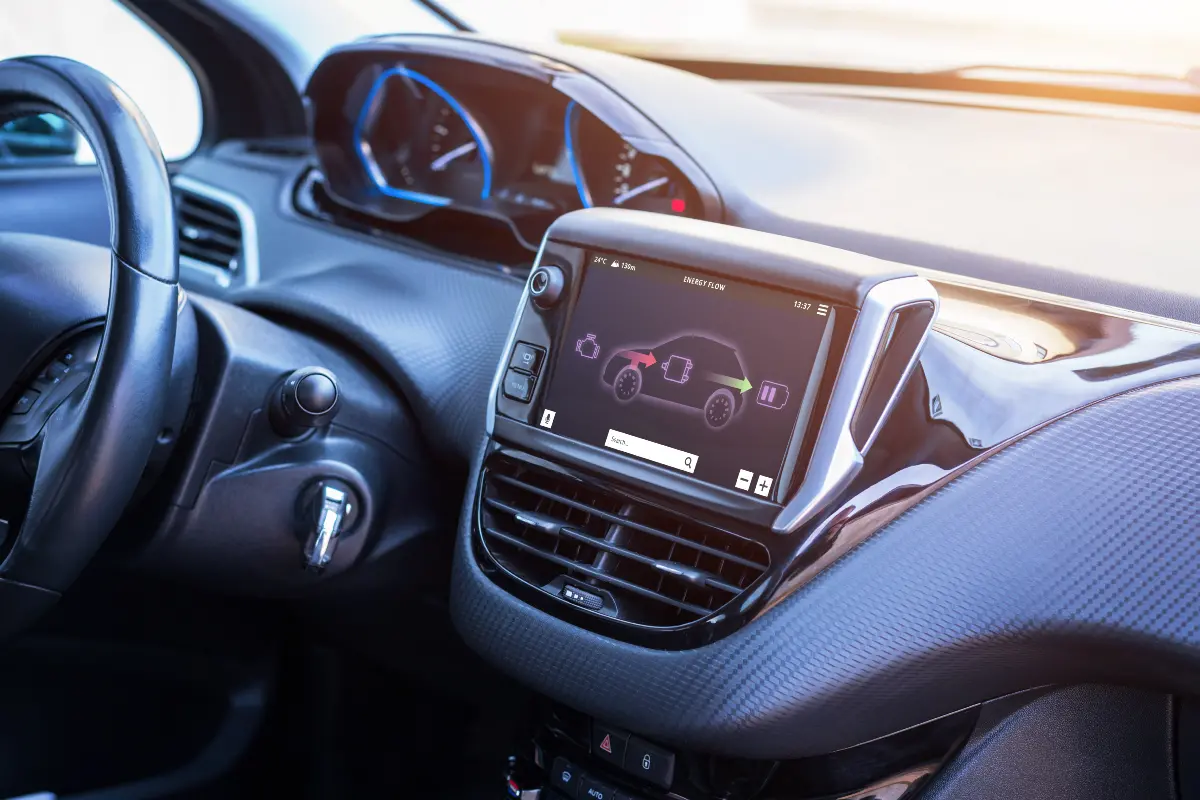
Considering the environmental perks, hybrids and EVs are increasingly becoming the right choice for eco-minded drivers. By switching to an EV, an average driver can significantly reduce their carbon footprint, leading to long-term benefits for the country's air quality and public health. As drivers around the globe become more environmentally conscious, they follow suit, and the transportation landscape transitions towards one that is sustainable, efficient, and electrifying.
The rise of electric and hybrid vehicles heralds a new era of transportation, embracing technology for a cleaner and more efficient future. Whether it's the sinewy network of roads or the need for sustainable urban living, Singapore's landscape is ripe for this automotive revolution. Witnessing the profound impact these vehicles have on the environment, economy, and society at large gives us a peek into a future that's not only desirable but ultimately inevitable.
Driving an EV or hybrid isn't just a statement about one's environmental stance; it's a gateway into a new way of living—one that aligns with the vision of a sustainable tomorrow. As technology improves and consumer attitudes shift, we're bound to see more of these vehicles grace our roads, revolutionizing the way we think about transportation, not just in Southeast Asia but across the globe. It's a journey that promises to be as exciting as it is vital, and the time to pedal to the metal is now.