


Why Your Home’s Energy Choices Matter More Than Ever

Imagine stepping into a home where the air is always comfortable, your bills are lower each month, and you know you’re leaving a lighter footprint on the planet. As energy prices balloon and climate headlines grow ever more urgent, your home’s power source is no longer just a technical issue - it’s about comfort, cost, and conscience. Ready to discover how you can upgrade your space for the future while enriching your everyday life?
In this guide, we’ll explore the nuts and bolts of heat pumps versus traditional gas, debunk the swirling myths around induction cooking, reveal how quickly solar can pay off, and share clever, low-tech tweaks that instantly shrink both your carbon footprint and your bills. Along the way, you’ll get practical, up-to-date advice made simple, so you can make empowered decisions that suit your home, style, and values.
Turning Up the Heat: Should You Ditch Gas for a Heat Pump?
If you’ve ever shivered through a cold morning or watched your heating costs spike, you know the importance of a reliable, efficient system. Heat pumps are rapidly making headlines, and for good reason.
Unlike gas boilers, which burn fuel to create heat, heat pumps extract warmth from the air or ground, quietly moving it indoors even on frosty days.
- Energy savings: Modern heat pumps can deliver three times more heat energy than the electricity they consume, cutting your bill while reducing greenhouse emissions.
- Year-round comfort: Many units provide cooling during hot summers and heating in the chill of winter.
- Quiet efficiency: Forget the roar and rumble of old systems - heat pumps hum softly, virtually unnoticed.
But are they right for you? Consider these factors:
- Climate: While air-source heat pumps excel in most regions, those in very cold climates might need a model designed for frigid temps.
- Upfront cost: Installation is pricier than a new gas boiler, but government incentives and future savings often offset the investment.
- Home insulation: Good insulation boosts a heat pump’s performance. Simple upgrades, like sealing leaky windows, can make a big difference.
Feeling the Heat: What Gas Still Does Best Gas heating is familiar, reliable, and (for now) still common. If your area has abundant natural gas and replacing your system seems daunting, upgrading to a high-efficiency boiler can offer temporary relief while you plan a transition.
Big Takeaway: Heat pumps deliver dramatic bill and carbon savings, but are most effective paired with a well-insulated home. Gas still has its uses, but the tide is turning.
Cooking Up Change: Induction Myths Unplugged
You’ve seen dazzling stainless cooktops in design magazines, heard enough about “gas vs. electric” debates at dinner parties, but what’s the real story with induction?
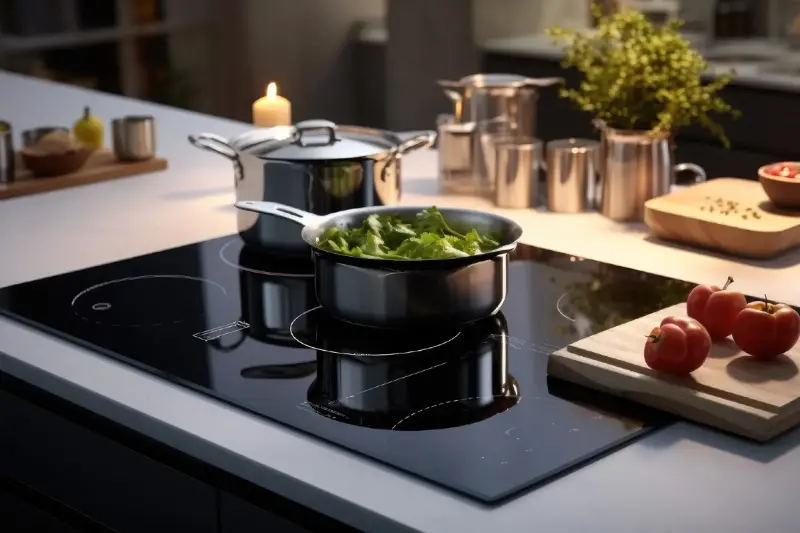
Induction cooking uses magnetic technology to heat your pan - not the air around it. This means:
- Faster meals: Water boils in just minutes, while precise temperature control lets you simmer or sear with ease.
- Cooler kitchens: The cooktop itself stays surprisingly cool, so heat isn’t wasted or blasted into the room.
- Spotless surfaces: Spills don’t burn onto the cooker, so cleanup takes seconds with a simple wipe.
So why do some home cooks hesitate?
- Myth: “I need all new pots!” Not always. If a magnet sticks to the base of your pan, it works with induction.
- Myth: “Induction feels less ‘authentic.’” It might sound high-tech, but world-renowned chefs prize the swift, subtle control.
When you consider health, safety, and efficiency, induction can be a game-changer, especially if you want to pair it with renewable energy. Imagine tossing together a fragrant stir-fry in half the usual time, the aroma filling your kitchen as you save both energy and effort.
Harnessing the Sun: Solar Timelines That Might Surprise You
Solar panels gleam atop more rooftops every year, and not just because they look futuristic. The financial and environmental returns can be remarkable.
How soon does solar pay for itself?
- Average payback period: Nationwide, most homes see net positive savings in 6 to 10 years, but this can be faster with generous local incentives.
- Bill reductions: With smart placement and angle, solar can slash your electricity costs by 50% to 90% - imagine investing in your home instead of your utility.
- Resale value: Studies consistently show homes with modern solar systems attract more buyers and fetch higher prices.
Of course, weather and roof orientation matter, but so does timing: the earlier you install, the sooner you reap rewards. Picture sunlight streaming in as you sip coffee, knowing your panels are quietly powering each morning ritual.
Simple Upgrades, Big Payoffs: Save Energy Now
If full-scale renovations aren’t in the cards, small moves can still deliver major benefits. Try these swaps and feel the difference:
- Switch to LED bulbs: Brighter, warmer, and up to 80% more efficient than old-fashioned incandescent lights.
- Weatherstrip doors and windows: Stop chilly drafts and keep comfort locked in.
- Install a smart thermostat: Fine-tune your heating and cooling from anywhere, slashing costs with barely any effort.
- Add “eco” showerheads: Savor a powerful shower with less water and energy.
- Unplug idle devices: That invisible “phantom” load can drain up to 10% of your power bill.
With each upgrade, you’ll sense not only a lighter bill in your pocket but a subtler, cozier comfort around your home.
Choosing Your Path Forward: It’s Personal - and Powerful
Standing at the crossroads of tradition and innovation can feel daunting. Is it worth it to invest now? Are these changes right for your family’s lifestyle and budget?
The beauty is, you don’t have to do everything at once. Many households start with a smart swap - perhaps a single induction burner, a few efficient bulbs, or a gradual pivot from gas to electric. Solar can be the crown jewel, but smaller steps ripple outward, too.
Remember, every thoughtful upgrade not only pays you back in savings and comfort but moves us all closer to a clean-energy future. Your choices echo beyond your walls, transforming kitchens, communities, and landscapes on the far side of the globe.
So, as you consider powering your home for the future, ask yourself: How do I want my space to feel, smell, and sound as the seasons turn? What legacy do I hope to leave - for my wallet, my family, my world?
The journey to a greener, smarter home starts with a single step. Where will you begin?