


In the rolling hills and idyllic pastures, sheep are often seen as the quintessential symbol of pastoral peace. But beneath those woolly exteriors lies a world that's as fascinating as it is fluffy. As we delve into the life of a sheep, let's uncover some unbelievable facts that showcase the complexity and charm of these gentle creatures.
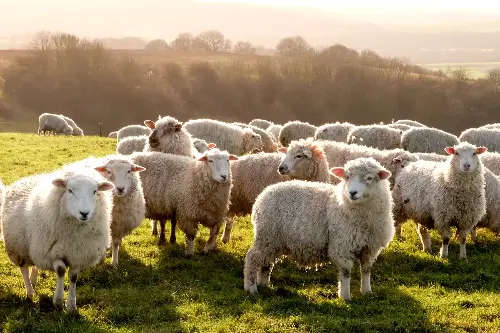
Sheep, with their docile nature and herd mentality, are more interesting than they often get credit for. Did you know, for instance, that sheep have a memory to be reckoned with? Indeed, these animals can remember up to 50 individual faces — both sheep and human — for years. This remarkable memory helps them to maintain complex social networks within their flocks, identifying family members, friends, and even past acquaintances with ease.
There's more to a sheep's vision than meets the eye. They have an incredibly wide field of vision, estimated to be between 270 to 320 degrees, allowing them to see behind themselves without having to turn their heads. This panoramic view is a vital defense mechanism in the wild, making it difficult for predators to sneak up unnoticed. However, sheep have poor depth perception, which can sometimes make them hesitant to walk on uneven ground or cross water.
In terms of vocalizations, sheep communicate with each other through a variety of sounds. Each bleat, grunt, and snort has its own specific meaning, varying in pitch and intensity. Alarm calls, for example, are sharp and high-pitched, serving to alert the flock of potential danger, while contact calls are softer, used by mothers to communicate with their lambs.
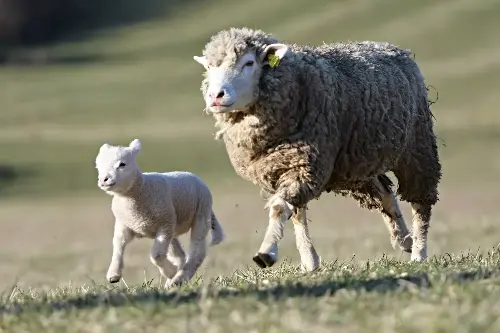
Let's talk about those famous thick fleeces. Not only do they provide excellent insulation, keeping the sheep warm in the winter and cool in the summer, but they're also water-resistant. The wool fibers contain lanolin, a waxy substance that helps to repel water. Interestingly, the wool from just one sheep can make up to four men's suits. This versatility is why sheep's wool has been a staple in textile production for millennia.
Turning to motherhood, within a few minutes to hours after birth, lambs can stand and are ready to follow their mother around. The mother-lamb bond is a strong one, with ewes recognizing their lambs by their individual bleats and scents. Lambs are born with a strong instinct to suckle, and can identify their mother's milk from that of other ewes, which ensures they receive the antibodies and nutrients essential for early growth.
Sheep are not just followers; they can be leaders too. Within a flock, certain sheep naturally take on the leadership role, leading others to pastures or water. These 'leader sheep' are often more intelligent, bold, and have a good sense of direction; qualities that make them stand out to their fellow ovines.
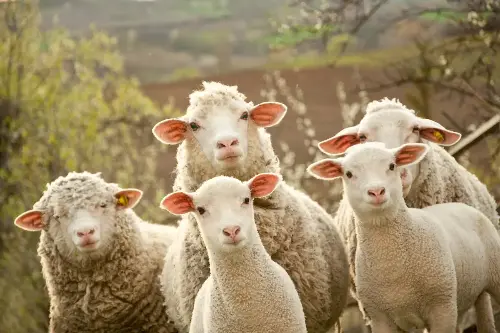
The digestive system of sheep is also something of a marvel. Sheep are ruminants, meaning they have a four-chambered stomach that allows them to extract nutrients from plant-based food by fermenting it before digestion, essentially chewing the cud. This process enables sheep to feed on a variety of forages that many other animals cannot digest.
Furthermore, domestic sheep are descendants of the wild mouflon of Europe and Asia. Through thousands of years of selective breeding, humans have developed over 1,000 distinct breeds of sheep, each adapted to various climates and purposes, from producing quality wool, meat, or milk to maintaining grassland habitats.
Sheep have also played a significant role in science. Dolly, the first mammal to be cloned successfully from an adult cell, was a sheep. Her birth in 1996 marked a historic milestone in biotechnology and opened doors for numerous advancements in medicine and genetics.
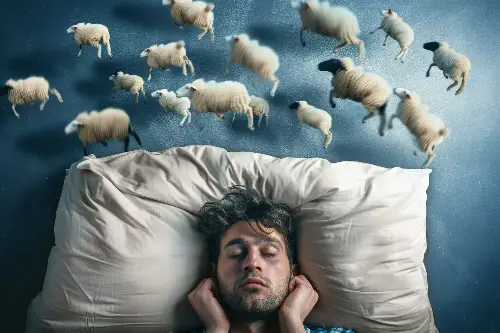
On a lighter note, sheep counting is well-known as a traditional method for inducing sleep. Whilst the actual effectiveness of this method is debatable, it speaks to the sheep's standing in human culture as a symbol of tranquility and simplicity.
Sheep are naturally grazing herbivores and can play a pivotal role in natural land management. Their grazing behavior helps in controlling the growth of shrubs and weeds, promoting biodiversity and maintaining the structure of grasslands. What's more, sheep hooves act as natural aerators, helping to tread and fertilize the soil, harmonizing livestock agriculture with ecological stewardship.
Lastly, is it surprising to learn that sheep have been shown to display emotions? Studies have indicated that sheep can experience basic feelings such as fear, anger, boredom, sadness, and happiness. They express these emotions through various behaviors, vocalizations, and even physiological changes — such as the position of their ears.
By looking at the life of a sheep with more attention to detail, it becomes clear that these animals are more than just wool on legs. They are creatures with remarkable abilities, complex social structures, and an endearing presence in our history and landscapes. With every curious fact about their existence, sheep continue to endear themselves to us as more than just pastoral background — they are fluffy friends with an in-depth story to tell.