


Why Bird Flu Keeps Coming Back – And What You Need to Know for Wildlife, Your Eggs, and Your Health
Ever wondered why bird flu news never seems to disappear? Just when you think things have settled, another alert pops up. Here’s the twist: it’s not just about wild birds or remote farms – these outbreaks can touch your breakfast table, your backyard, and even your daily habits.
Picture the sky, cut with the sharp line of migrating geese. Somewhere far above, invisible threats hitch a ride, crossing borders and rewiring ecosystems. Bird flu, or avian influenza, isn’t just a distant worry for farmers. If you care about wildlife, food prices, or the safety of your scrambled eggs, you’ll want to know what’s really going on.
Keep reading to uncover why bird flu refuses to vanish, how it’s shaking up lives from rural villages to supermarket aisles – and what practical steps you can take to stay safe this migration season.
The Persistent Return: Why Bird Flu Is Here to Stay
You may be asking, what makes bird flu such a persistent guest? Unlike many animal diseases, bird flu viruses, especially H5N1, are master travelers. They mutate quickly and cross from wild flocks to domesticated birds in dizzying patterns, defying borders and seasons.
Every year, as flocks of waterfowl lift off from lakes and rivers, they carry more than just feathers and song. These birds are natural reservoirs for a variety of avian influenza strains. When they touch down, they mingle with other wild species – and sometimes wander into farmyards or backyard coops, making unintended drop-offs.
Key insight: Migratory birds act as living delivery systems for bird flu, continually reintroducing the virus even after it seems to disappear.
Crash Landing: Wild Birds on the Frontline
The last few years have brought heartbreaking scenes: swans washed onto riverbanks, flocks of geese falling from the sky, and entire seabird colonies decimated. For wild birds, especially endangered species, bird flu can be catastrophic.
- Mass die-offs: In 2022-2024, outbreaks across Europe and North America killed thousands of wild birds, disrupting ecosystems.
- Conservation threats: Certain raptors and shorebirds, already struggling from habitat loss, are newly vulnerable.
The real challenge? Once bird flu finds a foothold, it’s almost impossible for wildlife managers to contain. Unlike farm flocks, wild birds migrate freely, making standard outbreak controls unworkable.
Your Egg Basket Isn’t Immune: Backyard Flocks at Risk
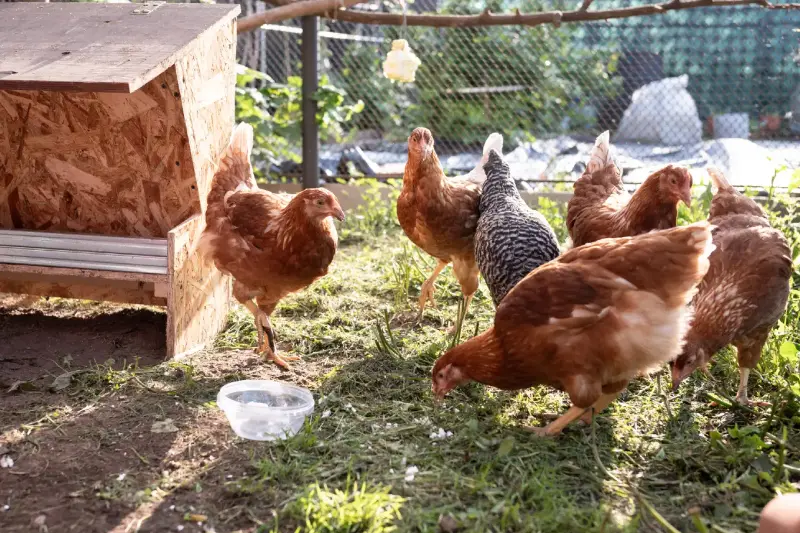
If you keep backyard hens or are simply a fan of fresh eggs, you’re part of this story too. Bird flu isn’t picky - from commercial mega-farms to humble chicken coops, it can strike anywhere.
- How it happens: A wild duck visits your pond, infected feces end up near feed, your curious hen pecks – and suddenly, your flock is in danger.
- What you should know: Many governments now urge poultry keepers to keep birds indoors during migration peak, tighten biosecurity (think: foot baths, clean boots, covered runs), and report sick birds quickly.
Highlight: These measures aren’t just official warnings - they’re crucial for keeping families, small businesses, and whole food chains safe.
Sticker Shock: Bird Flu’s Ripple Effect on Egg Prices
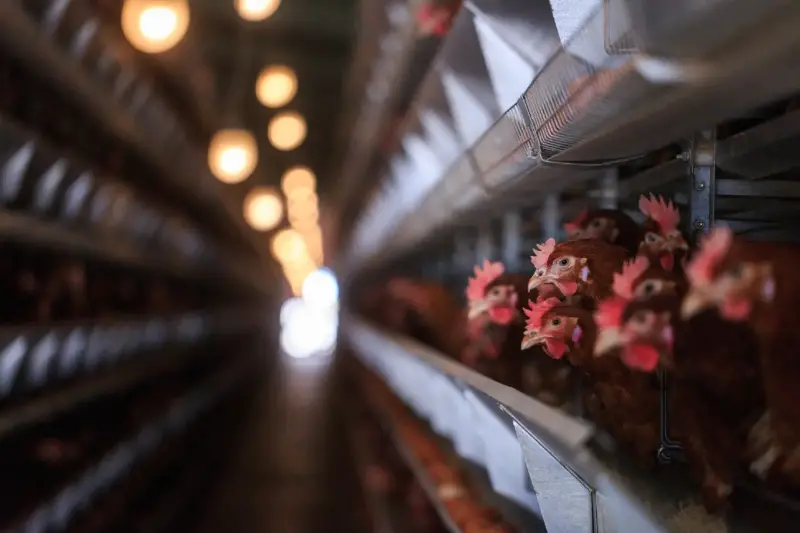
If you’ve noticed egg prices breaking records, bird flu could be the silent culprit. Each major outbreak forces farmers to cull millions of birds almost overnight, slashing supply and sending prices soaring.
- In 2022-2023, markets across the US, UK, and Europe saw egg and poultry shortages.
- Diners, bakeries, even big food brands scrambled to adapt, sometimes switching ingredients or changing menus.
As epidemics re-emerge, you may see a repeat – shelves emptier, costs higher, and changes at your local café.
The Human Angle: Should You Worry About Getting Sick?
Let’s cut through the anxiety: the vast majority of bird flu strains don’t infect people easily. However, in rare cases, direct contact with sick birds or contaminated environments can lead to illness.
- Key tips for safety during outbreaks:
- Always wash hands after handling birds or cleaning cages.
- Thoroughly cook poultry and eggs (till whites and yolks are firm).
- Avoid contact with wild bird droppings.
- Use gloves and masks if you must dispose of dead birds.
Sensory snapshot: The scent of a sunlit coop, the sound of hens foraging - they evoke comfort and tradition. But during outbreak alerts, take in these pleasures from a distance, reinforcing barriers for a short while. The pay-off is worth it: peace of mind, and resilience in the flock you’ve come to cherish.
Migration Seasons: Why Timing Matters
Every spring and fall, migration turns the skies into highways for both beauty and, unfortunately, disease. These travel seasons are when outbreaks explode, so vigilance and preparation can make a crucial difference.
Smart steps for migration seasons:
- Watch for official alerts in your region.
- Limit bird gathering sites, clean feeders, and avoid unnecessary bird shows or markets.
- If you find sick or dead wild birds, keep pets and children away and contact local authorities.
Caring for Nature and The Food Chain: Your Role
It’s easy to feel powerless as a single person, but every action counts. Whether you admire swans gliding on a frosty lake or gather eggs with your morning coffee, your choices help shape the outcome.
Takeaway: By staying informed and proactive, you protect not just your backyard or table, but the intricate web of wildlife, farmers, consumers, and food traditions we all share.
Final Thoughts: What the Great Bird Movements Teach Us
Bird flu’s unending returns remind us of nature’s deep interconnectedness - and our own place in the flow. The migrations overhead, the changing patterns at markets, even the rituals of breakfast all trace back to this shared story.
So next time a flock arcs across the horizon, you’ll know more of what rides those currents. Whether as a guardian of wild places or a careful cook at home, your attention makes a difference.
What will our next chapter with bird flu hold? The answer, in part, is up to each of us. Where science, care, and curiosity meet, we find hope for a thriving world that rises - like wings at sunrise - above each new challenge.