


Why Everyone’s Suddenly Obsessed With Tinned Fish (and Why You Should Be Too)
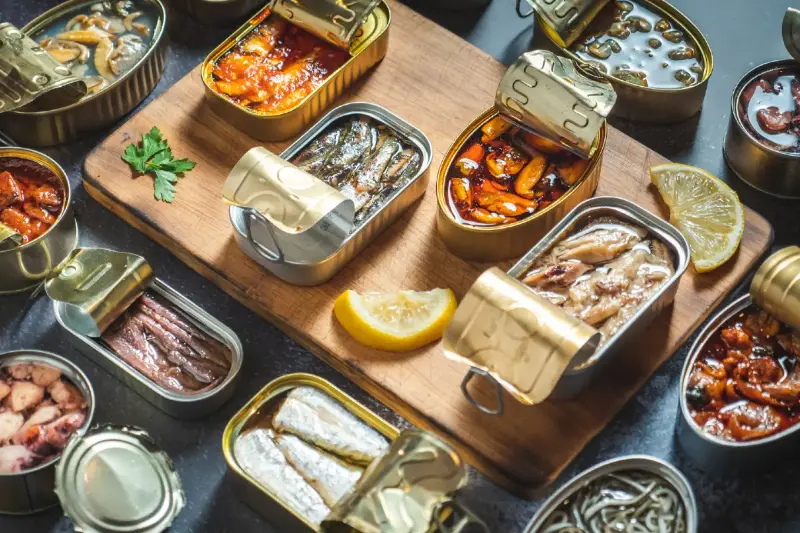
Have you noticed your favorite chefs and TikTok foodies raving about sardines and anchovies lately - and wondered if you’re missing out on something delicious (and surprisingly chic)? It’s not just a fleeting fad. Tinned fish is staging its glamorous comeback, turning pantry staples into culinary treasures, reimagining quick meals, and putting sustainability at the forefront of food choices.
Picture this: the soft gleam of an artfully designed tin gliding open, releasing the sea’s briny perfume. A delicate fillet of mackerel, rich and buttery, transforms a slice of toast into a meal made for a Parisian café - while you’re still in your pajamas. But there’s much more beneath the shiny surface. In this guide, you’ll discover not only what’s fueling the tinned fish craze, but also how you can make the most of it - balancing flavor, nutrition, convenience, safety, and planet-friendly habits.
Viral, Valuable, and Irresistible: The Tinned Fish Renaissance
Within the past year, tinned fish sales have surged by double digits in Western markets, and not just because of viral videos or the simple appeal of convenience. Today’s tinned fish caters to a new generation of smart, health-focused shoppers craving real taste, nutritional benefits, and a lower environmental footprint. What was once old-world necessity is now seen as a grown-up treat, fueling the rise of #TinnedFishDateNight, gourmet tinned fish bars, and “sea-cuterie” boards fit for Instagram.
You’ve probably spotted the evidence:
- Boutique import brands with gorgeous packaging crowding the shelves
- Friends swapping smoky sardine recipes alongside their favorite oat milk tips
- Celebrity chefs layering anchovies onto everything from pizza to green salads
This isn’t just hype. Tinned sardines, mackerel, and anchovies are nutrient powerhouses - packed with protein, healthy omega-3 fats, calcium, selenium, and vitamin D. Unlike white tuna, these small, oily fish are lower on the food chain and tend to accumulate very little mercury, making them a safer choice for regular meals. They’re affordable, shelf-stable, and always ready for you, whether breakfast runs late or a last-minute cocktail hour needs a culinary upgrade.
Mercury on Your Mind? Here’s What You Need to Know
It’s smart to be cautious about mercury, especially with seafood. But here’s the science: the smaller the fish, the safer the bite.
Sardines, mackerel, and anchovies
- Feed low on the marine food web
- Grow fast and reproduce quickly
- Contain very low mercury concentrations (significantly less than tuna, swordfish, or king mackerel)
Real talk: eating a variety of small tinned fish two to three times per week is safe for most adults, according to the FDA. Pregnant women and young children can also enjoy these fish in moderation. If you’re uncertain, look out for official “low mercury” labels, check the brand’s sustainability page, or review local health agency guidelines for reassurance with every bite.
A Shopper’s Guide: Sustainability Labels Decoded
Not all tins are created equal. If you want your meals to support healthy oceans, watch for these key labels while shopping:
- MSC (Marine Stewardship Council) - This blue label means your fish comes from a verified sustainable fishery, safeguarding wild populations.
- Friend of the Sea - Certifies responsible fishing and eco-friendly production.
- Organic or Biodynamic - Sometimes seen on mackerel or sardine tins from Europe, indicating low-impact aquaculture or wild-caught practices.
Pro tip: choose tins packed in olive oil instead of seed oils for richer flavors, or spring water for a lighter touch. Check the ingredient list - minimal additives suggest higher quality.
Ten-Minute Magic: Pantry Dishes That Taste Like Summer by the Sea
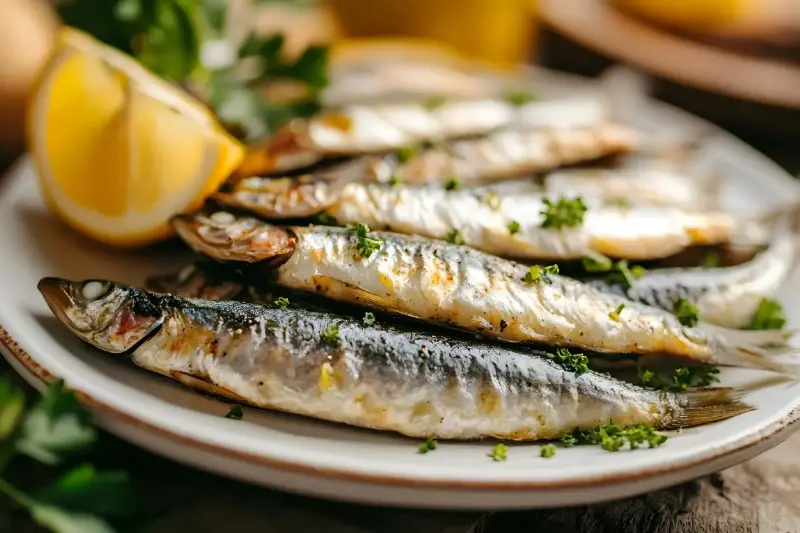
Let’s talk about instant pleasure. Crack open a tin and suddenly you’ve unlocked culinary escape. Here are three effortless tinned fish creations to spark your appetite and imagination:
- Mediterranean toast: mash sardines with lemon juice, chopped parsley, and a drizzle of olive oil. Pile onto toasted sourdough with sliced radishes and flaky salt. Breakfast is served.
- Mackerel pasta pronto: toss hot pasta with canned mackerel, crushed garlic, cherry tomatoes, and a shower of fresh dill.
- Anchovy-laced caesar: stir mashed anchovies into mayo with whole grain mustard, lemon, and cracked pepper. Dress crisp romaine and finish with a rain of parmesan.
Feeling experimental? Try tinned fish with pickled onions, capers, or chili crisp. Add them to fried rice, roasted vegetables, or even atop a pizza before baking for incredible flavor depth. The beauty of tinned fish is versatility - a chance to play with texture, saltiness, and umami, any night of the week.
How to Build a Balanced Plate With Tinned Fish
It’s tempting to eat tinned fish straight from the can (and who could blame you), but combining these nutrient-rich fillets with whole grains, fresh herbs, and colorful vegetables transforms every dish into an energy-boosting, well-rounded meal. Here’s a simple framework for wellness-focused eating:
- Choose your base: hearty toast, brown rice, whole wheat pasta, or quinoa
- Add tinned fish: aim for about 85 grams (one small tin) per serving
- Include vibrant veggies: tomatoes, cucumbers, artichokes, greens
- Brighten with extras: citrus, fresh herbs, olives, pickled peppers
Why It’s More Than a Trend
What does it mean if tinned fish stands out in your kitchen or social feed? It signals a shift - toward thoughtful simplicity, culinary adventure, and conscious consumption. Each tin tells a story of tradition and innovation, linking busy city lives with the rhythms of small coastal fisheries.
It invites you to slow down for a moment: to savor bold flavors, to connect with real food, and to share the experience, no matter how humble the ingredients.
An Invitation to Savor, Share, and Start Your Own Tinned Fish Adventure
So the next time you wander past the tinned fish aisle, don’t just pass by. Let curiosity guide you - reach for a can that catches your eye and imagine the possibilities. Is it dinner in five minutes, or a quick snack after a workout? Is it an eco-conscious gift for a foodie friend, or just a new twist on your lunchtime sandwich?
Tinned fish connects the practical and the pleasurable, the salty and the sweet moments of everyday eating. As you embark on your own tinned fish journey, one thing is certain: behind every small tin lies a world of flavor and discovery, waiting for you.
So what will you create, and who will you share it with? The answer is up to you - and perhaps your next favorite tin.