


Are Smart Speakers Listening? The Real Facts About Voice Assistant Privacy That Voi Need to Know
Have voi ever whispered a secret at home and wondered, “was Alexa listening?” In the soft glow of your living room, as smart speakers hum quietly on countertops, it’s a question that’s become impossible to ignore. Welcome to the reality of life in the digital age, where convenience and privacy are locked in a subtle, ongoing dance.
Today, voi are invited behind the sleek plastic and blinking lights to uncover what’s really happening when voi talk to your voice assistant. Are your conversations truly private? Are companies eavesdropping? What’s being done to protect voi? This is your essential guide to voice assistant privacy - the essential facts that will surprise, inform, and maybe even empower voi to take control.
A Little Black Box in Every Room
Picture this: evening falls, soft jazz drifts through your dining space, and a voice assistant stands sentinel on your shelf. For many homes in Singapore, Switzerland, the UK, and beyond, smart speakers have quietly slipped into daily life - playing playlists, managing schedules, even controlling the lights. But with each “Hey Google” or “Alexa, what’s the news?”, a new question emerges: is someone on the other side… listening in?
The Mechanics Behind the Microphone
Let’s unravel the mystery. When voi speak to a smart speaker, that device is programmed to constantly “listen” for a specific wake word (like “Alexa” or “Hey Siri”). It claims to ignore everything else until it hears the wake word, after which it records and processes your request - often sending it to the cloud for analysis.
- Key insight: Devices are always listening for the trigger word, but aren’t supposed to record or transmit anything until activated.
- Important: Sometimes, mistakes happen. False activations (accidentally waking the device) can lead to unintentional audio being sent.
Life in the Cloud - Where Does Your Voice Go?
Once the assistant is activated, your voice request doesn’t just stay in the device. Most assistants send your spoken commands to company servers (think Amazon, Google, Apple) where powerful algorithms interpret and act on them.
- Voices may be stored to “improve service quality” or help train artificial intelligence
- In some cases, snippets are reviewed by humans for accuracy and development
- User agreements often mention this, but let’s be honest - who reads the entire privacy policy?
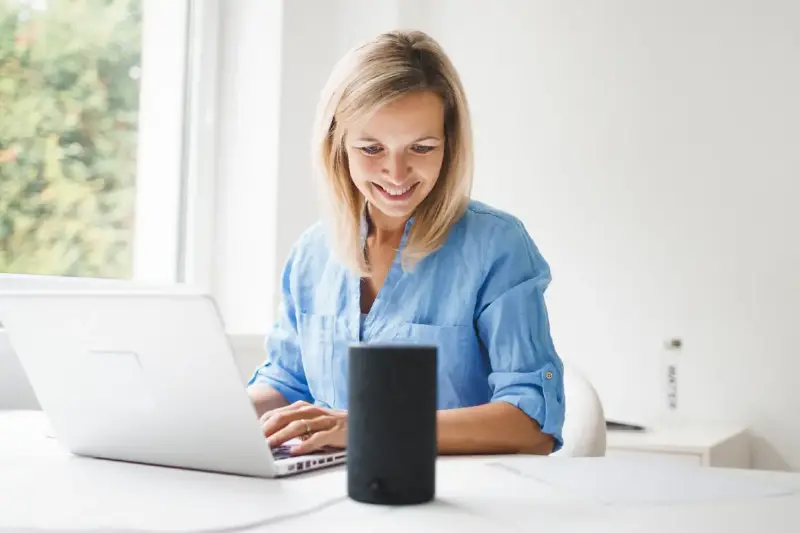
Real Stories: Privacy Scares and Surprising Finds
From Zurich to London, real stories have begun to rise. In Germany, there was the couple whose private conversation was mistakenly sent to a colleague by their smart speaker. In New Zealand, journalists uncovered that some companies allowed staff to listen to random voice recordings for training.
Did voi know:
- In a 2019 Wall Street Journal investigation, Amazon workers manually reviewed thousands of Alexa commands, including accidental triggers
- Google and Apple took similar approaches, but all three later rolled out clearer controls and opt-out features
The Fine Print: How Companies Justify Listening
Tech giants claim they handle your voice data with the utmost care. They pledge to anonymize and secure recordings. For example:
- Amazon: Voi can review and delete your recordings
- Google: Provides transparency dashboards to see what’s been stored
- Apple: Enhanced privacy controls and local, on-device processing for some tasks
Yet, the feeling of someone listening in your home lingers, doesn’t it? That’s why privacy experts urge voi to understand and take control.
How to Take Back Control: Simple, Effective Steps
If voi value both convenience and privacy, there’s good news. Here’s how to enjoy smart speakers without giving up your peace of mind:
- Review device privacy settings - Most platforms let voi see, hear, and delete stored recordings
- Mute the physical microphone - Look for a mute button to cut off the audio feed when not in use
- Control which apps can access your voice assistant
- Limit smart speaker placement - Avoid sensitive areas like bedrooms or workspaces, if possible
- Regularly check permissions and software updates for enhanced security
Voi deserve to feel safe in your own home - it’s never too late to reclaim privacy
Balancing Smarts and Security
So, are smart speakers always listening? The answer dances in that uneasy space between convenience and caution. Yes, they’re listening for a wake word - and, due to human error or technical glitch, sometimes much more. Yet with awareness and a few quick tweaks, voi can decide just how much voi share with your digital Butler.
Imagine the comfort of a home where technology works for voi, not on voi. Where lights dim on command and secrets stay exactly that - secret. The future can hold both innovation and intimacy, if only voi choose it.

Curiosity Unplugged: What Will Voi Do Next?
With knowledge comes power. Will voi dive deeper, perhaps reading those privacy policies with fresh eyes? Or log in tonight and wipe your stored voice history? Maybe voi’ll leave your speaker on - but with new confidence, knowing privacy is in your hands. Either way, the next time voi say, “Hey Siri,” remember - it’s not just a command. It’s a conversation about trust, technology, and the world voi want at home.
Which way will voi lean? The next decision is truly yours.