


Starship’s Next Big Leap: Why Giant Rocket Tests Could Change Life on Earth and Beyond
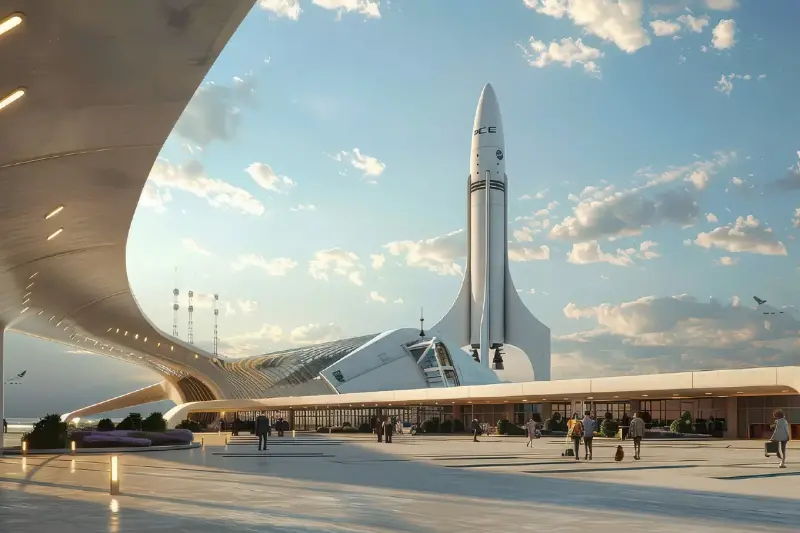
Imagine gazing up at the night sky, knowing that the streak of light you see isn’t just a satellite or a shooting star – but a passenger ship, possibly carrying people like you, setting sail for the moon or beyond. Space is on the brink of becoming breathtakingly ordinary, and the secret catalyst might just be the next giant rocket test you’ll read about.
As you scroll through headlines about SpaceX’s Starship soaring, exploding, or landing in a blaze of glory, it’s easy to forget what’s at stake. Behind the spectacle lies the possibility of not just revolutionizing NASA’s lunar missions, but also transforming how we connect, explore, and even dream as a global society. Here’s why you should care – and how these colossal rocket launches could touch your life in ways you never expected.
A New Era Dawns Over Texas’ Windswept Coastline
Just past midnight, salty air hums with anticipation on the Texas coast. Towering against the star-flecked sky, SpaceX’s Starship gleams silver under floodlights, resembling a spacecraft borrowed from a futuristic fairy tale. Engineers murmur behind banks of screens, their excitement contagious even through the livestream.
If you’re tuning in, your heart might skip as the engines ignite and flames billow over the pad. But beyond the pyrotechnics, something deeper is at play. This scene, repeated with every giant rocket launch, is one of humankind nudging open a door that, for most of history, seemed locked from the inside.
Stick with me, and you’ll see that these tests are about much more than technical milestones or billionaire showmanship. They’re about discovering how access to space could change your life - and everyone else’s - in just a few years.
Is Moonwalking Really About to Get Mainstream Again?
Lunar dust hasn’t been kicked up by human boots since the 1970s. That’s set to change, and Starship is key. NASA’s Artemis program has picked Starship as the lander to put the first woman and first person of color on the moon, possibly in just a handful of years.
Why is this a big deal for you?
- A more gender- and race-diverse crew means lunar exploration finally looks like all of us.
- If Starship works as hoped, the costs of moon travel could drop, opening doors for scientists, engineers, and, one day, ordinary citizens.
- The lunar surface could soon become not just a flag-planting destination, but a laboratory, fueling discoveries in medicine, materials science, and even health that impact everyday life.
Most importantly, every successful test narrows the gap between science fiction and a world where space truly feels like a shared frontier.
From Satellites to Streaming: Picture-Perfect Connection
You might think space progress is all about moon boots and Martian dreams. Yet the next rocket launch could shape your next video call, your favorite Netflix binge, or how your smartwatch syncs before sunrise.
Why? Because Starship is poised to make space logistics radically cheaper.
- Bigger, faster rockets mean hundreds of satellites lofted at once, not just a handful.
- New constellations could expand internet access, bringing fast, reliable service to previously unreachable villages or disaster-stricken cities.
- Lower launch costs may empower universities, nonprofits, and startups - people with ideas, not just deep pockets - to put their own experiments into orbit.
Imagine broadband where cable can’t go. Or a world where climate data from advanced sensors predicts disasters before they strike. The backstage pass to this enhanced, interconnected life? Giant reusable rockets tested today.
Could Your Next Adventure Literally Be Out of This World?
"Space tourism" sounds like a billionaire’s brag or a sci-fi trope. The idea that someone like you could suit up and sip coffee as Earth curves in a portal window still feels fantastical. Or does it?
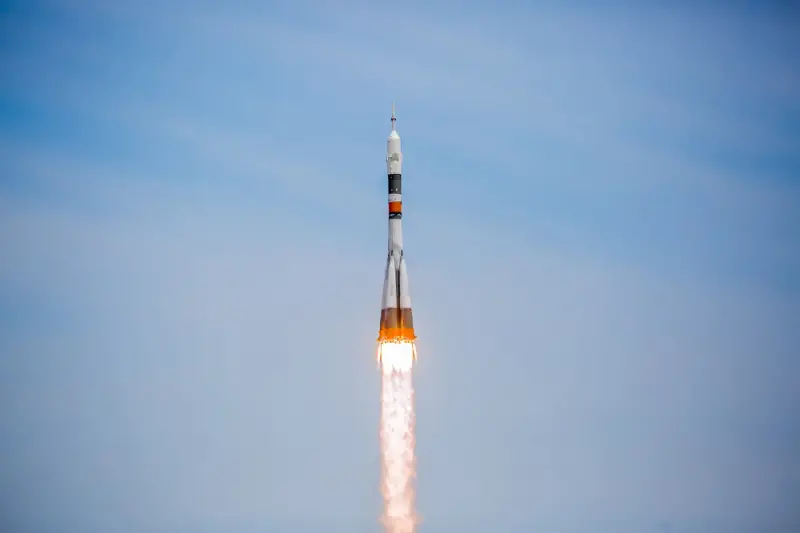
Starship’s test flights are inching us from fiction to reality.
- Reusable rockets mean lower ticket prices, just as commercial airliners once made the skies accessible.
- With every test, safety improves, regulations evolve, and competition heats up, accelerating timelines for would-be astronauts.
- If progress continues, the first sweepstakes or lottery winner - or maybe an adventurous grandparent - could float in microgravity by the end of this decade.
Close your eyes and picture the view: city lights glittering on a silent globe, sunrise sweeping over the Pacific, auroras swirling like living art. If that doesn’t ignite your curiosity, what will?
Cheaper, Faster, Cleaner: The Ripple Effects You’ll Feel Soon
A rocket launch is loud, both literally and metaphorically. But the ripples are even bigger than the booms.
Consider these possible impacts:
- Lowering the price of launch could slash the cost of weather prediction, environmental monitoring, or mapping agricultural needs – saving lives, protecting resources, and feeding more people.
- Cleaner, reusable rockets may leave less debris, minimizing dangers that could cut off the satellites we rely on for navigation, banking, or calling loved ones.
- Ambitious plans to refuel, repair, or de-orbit satellites mid-mission become possible, extending the useful lives of our technology and shrinking space junk.
Tech trends that once took decades could arrive in years, and all because of breakthroughs playing out in Boca Chica or on livestreams across the globe.
Starship's Secret Ingredient: Inspiration Generation
In an age where doomscrolling can numb even the most optimistic among us, there’s an intangible magic to moments like these. Each giant rocket test is a spark for the collective human imagination.
- Kids build rockets in the backyard, teachers bring real science into classrooms, and artists dream up the next phase of humanity’s story.
- Lifelong space fans debate possibilities at midnight watch parties, while skeptics become reluctant dreamers.
- For some, it’s hope – the sense that the world is bigger, bolder, and more open than yesterday suggested.
If you feel a flutter in your chest watching those silver giants arc skyward, you’re not alone. The real launch may be happening in living rooms, classrooms, and quiet corners of the world where eyes and hearts lift with the rockets.
Your Front Row Seat to History in the Making
So, the next time a headline flashes about a roaring Starship launch, pause before scrolling by. This is more than metal, math, or spectacle. It’s a chance for you to witness, question, and maybe one day participate in humanity’s next leap.
Will tomorrow’s moon landing feel personal to you? Might your next Zoom call zip through an orbit of satellites launched this year? Could your children, or even you, touch the curve of the Earth from above?
That answer depends on what happens in the roaring glow of rocket test after rocket test.
The cosmos is calling - not just for astronauts, but for all of us. Are you ready to look up, and imagine what’s next?