


Picture the modern workplace: hybrid offices, remote video calls, Slack memes, and “wellbeing Fridays.” Much of this transformation isn’t just technological—it's generational. As Generation Z (those born between 1997 and roughly 2012) floods the workforce, their fresh perspectives, bold values, and digital fluency are shaping how business is done across the globe. And smart employers aren’t just watching the change—they’re racing to adapt.

Values Over Vacancies: The Purpose-Driven Workforce
For Gen Z, work is more than a 9-to-5; it's a statement of identity and values. Unlike previous generations, Gen Zers are far less likely to stay silent if something feels off—be it an unfair policy, a lack of inclusion, or climate apathy. This generational cohort is the first to grow up with climate anxiety, social media activism, and instant, borderless communication. They’re unafraid to demand more from their employers, pushing for workplaces that commit not just to profits, but to people and the planet.
- 81% of Gen Z employees believe companies should help improve society, not just make money.
- Over 70% say they would reconsider a job offer if the company doesn't stand for their core beliefs.
Tech-Savvy Trailblazers: Digital Natives at Work
Gen Z is the first generation born into a fully connected digital world. They expect seamless communication, rapid information access, and tech-driven workflows as a baseline—not a bonus. This creates both challenges and opportunities for businesses.
Smart employers are:
- Upgrading to agile, cloud-based project management tools.
- Automating repetitive tasks to free up creative thinking.
- Embracing flexible, remote-first policies thanks to efficient virtual collaboration platforms.
Simultaneously, Gen Z’s comfort with social and digital platforms brings a spark of innovation. From creative marketing on TikTok to collaborative brainstorming in shared Google Docs, these employees can unlock surprising efficiencies and viral visibility—if leadership is ready to listen.
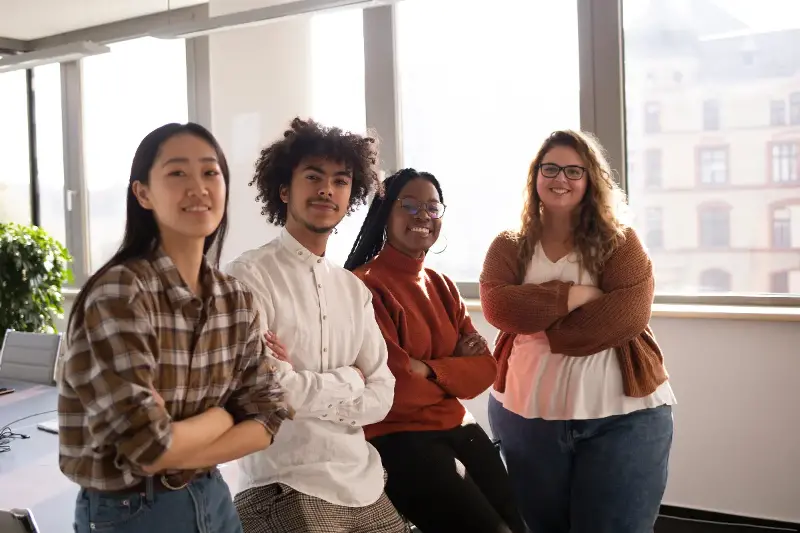
Diversity as a Non-Negotiable: Championing Inclusion
Where previous generations have worked for diversity, Gen Z insists on it—and expects true equity and belonging. This generation ranks workplace diversity as more than a metric—it's a dealbreaker. They gravitate towards:
- Employers who celebrate varied perspectives and backgrounds.
- Policies that actively combat unconscious bias.
- Internal communities and employee resource groups supporting every voice.
Gen Zers are vocal; if a workplace is exclusionary, expect candid Glassdoor reviews and a rapidly shrinking candidate pool.
Feedback, Flexibility, and the Fight Against Burnout
Rigid hierarchies? Not for Gen Z. Flat organisational structures with open-door policies win loyalty. Continuous feedback, mentorship, and opportunities for growth are valued higher than corner offices or job titles.
Key Gen Z expectations include:
- Frequent check-ins over annual appraisals.
- Hybrid or remote options to balance work and life.
- Mental health days treated as seriously as sick days.
- Trust-based management rather than micromanagement.
Flexibility isn't just nice to have—it’s a sign of respect and understanding. Companies responding to this mindset are reporting both lower turnover and higher productivity.

How Employers Can Win: Adapt or Get Left Behind
The workplaces that attract top Gen Z talent have clear, actionable priorities:
- Embed purpose into every level of company culture and communication.
- Invest in technology and mentorship that empower—not replace—young employees.
- Foster a safe, transparent space for dialogue on issues from climate action to inclusion.
- Act on feedback, not just collect it.
By adopting these strategies, smart employers stand out in a competitive market—turning revolution into results.
The Gen Z revolution isn’t a passing trend; it’s a tectonic shift in how we think about work, leadership, and success. Are you prepared to champion the change, or will you struggle to hold onto yesterday’s way of doing things? As the workplace future unfolds, those ready to listen, adapt, and empower will lead—not just survive—the next era.