


Once upon a time, long before the age of fashion influencers and viral trends, a small leaf from the bushy Lawsonia inermis plant ignited a global fascination—welcome to the vibrant world of henna. Not just a simple dye, henna is an ancient art form, a scientific wonder, and a treasure trove of cultural secrets that continue to captivate men and women alike.
Origins Shrouded in Mystery
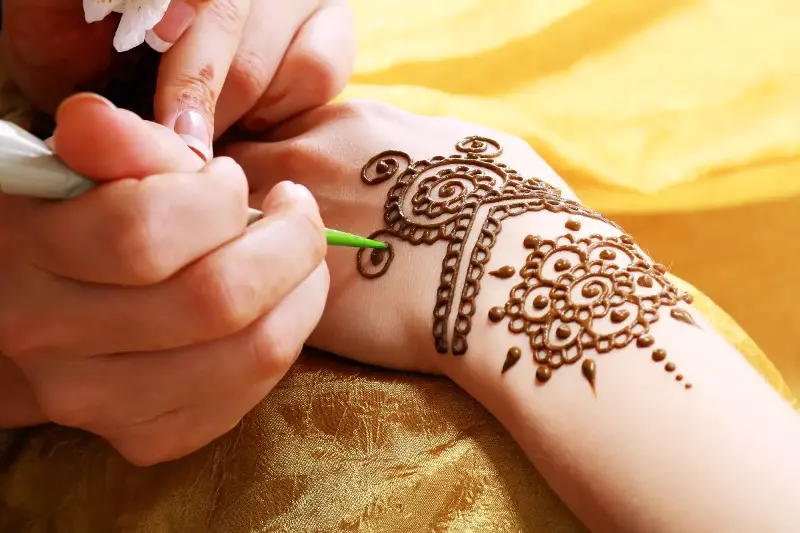
From the lush banks of the Nile to the golden sands of Rajasthan, henna’s origins remain a subject of fascination. Archaeologists have uncovered traces of henna on Egyptian mummies dating back over 5000 years—a testament to its enduring appeal. In India and the Middle East, henna ceremonies mark significant life events like weddings, symbolising prosperity, happiness, and protection. Imagine the thrill of discovery as early civilisations realised this modest plant’s power to transform skin into a living canvas, each motif carrying stories across generations.
Nature’s Own Artistic Alchemy
At first glance, henna may seem simple, but its science is remarkable. The plant’s leaves contain lawsone, a natural pigment with a unique affinity for proteins. Once crushed, mixed, and applied, this pigment binds to keratin in skin, hair, and nails, producing the signature reddish-brown stains. But, here’s where it gets intriguing:
- The intensity of colour depends on:
- Application time
- Body temperature
- Ingredient blends (lemon, sugar, essential oils)
- Patterns last 1-3 weeks, slowly fading as the skin renews
The heart of henna’s allure lies in this fusion of artistry and chemistry—each design is as unique as the person wearing it.

Symbolism Woven in Every Swirl
Henna motifs are more than aesthetics; they are steeped in meaning. In Moroccan culture, bold geometric patterns ward off misfortune, while Indian brides often wear intricate lace-like designs representing love, luck, and the deepening bond between newlyweds. A fascinating fact: The deeper the colour on a bride’s palm, folklore says, the stronger the love in her marriage!
Even men in various cultures have turned to henna—not only for decorative patterns but also to tint beards and hair, following ancient grooming rituals.
Modern Science Meets Timeless Beauty
Today, biochemists are uncovering how henna offers more than mere decoration. Its anti-inflammatory and antifungal properties underlie centuries-old uses for soothing burns and wounds. Recent lab studies suggest compounds in henna could benefit skin health and combat microbial infections. Meanwhile, eco-conscious consumers are drawn to henna’s plant-based purity, which distinguishes it from synthetic dyes that may irritate the skin.
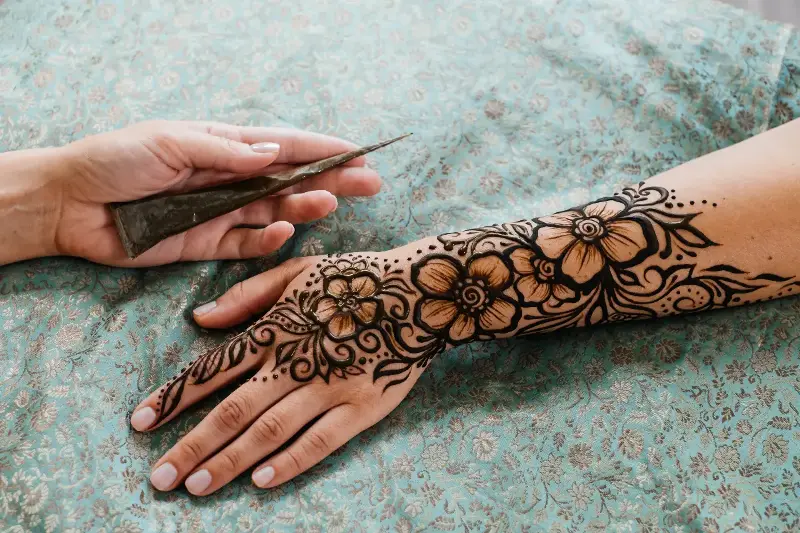
In the fast-paced aesthetic industry, henna has found new ground among temporary tattoo enthusiasts, festival-goers, and anyone seeking body art without permanent commitment. Social media is brimming with innovative styles, often blending tradition with contemporary flair.
The Resurgence of an Ancient Tradition
As modern science meets centuries-old wisdom, the legacy of henna continues to grow. Its journey—stretching across continents and cultures—reminds us of the deep roots shared by diverse peoples. Whether adorning hands for a wedding, marking a rite of passage, or simply trying a new look, henna’s beauty lies not just in its patterns, but in the stories it carries.
So next time you spot a swirling design on a friend’s hand or catch the earthy scent of henna resin, pause for a moment. What ancient secrets and modern wonders might this plant-inspired art hold for you? The answer may be only a leaf—or a lifetime—away.